What Is 1‑Pentanol? Structure, Properties, and Common Uses
When chemists talk about “1‑pentanol,” they’re referring to a five‑carbon straight‑chain alcohol that sits at the crossroads of industrial chemistry and everyday life. Its formula, C5H12O, hints at a simple skeleton, yet the molecule’s behavior is anything but plain. Below we unpack the structural quirks, key physical traits, and the ways this versatile compound shows up in products around you.
Molecular Structure of 1‑Pentanol
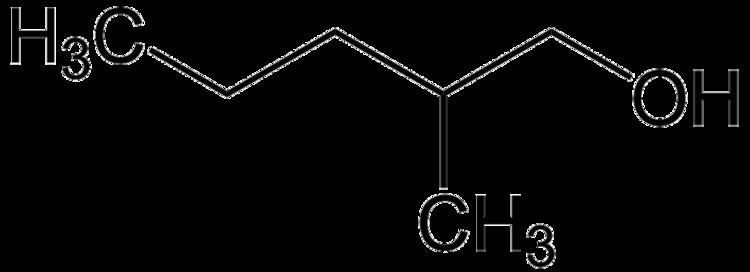
1‑Pentanol belongs to the primary alcohol family, meaning the hydroxyl (‑OH) group attaches to the first carbon atom of the chain. This arrangement gives the molecule the systematic name pentan‑1‑ol. Picture a straight line of five carbon atoms, each bonded to hydrogen atoms, with the –OH perched at the very end.
Because the carbon backbone is unbranched, the molecule can rotate freely around its C‑C bonds, granting it a relatively low melting point compared with more rigid, branched isomers. The lack of branching also makes 1‑pentanol a good model for studying how chain length influences alcohol properties.
Physical and Chemical Properties
At room temperature, 1‑pentanol is a colorless liquid that emits a faint, sweetish odor reminiscent of banana or pear. Its density (≈0.82 g cm−3) is lower than water, so it floats when mixed. The boiling point hovers around 138 °C, reflecting stronger intermolecular hydrogen bonding than shorter alcohols like ethanol but weaker forces than longer chains such as octanol.
Solubility follows a familiar trend: 1‑pentanol dissolves modestly in water (about 20 g L−1 at 20 °C) yet mixes readily with most organic solvents, from ether to hexane. Chemically, the –OH group renders it both a hydrogen‑bond donor and acceptor, enabling reactions like esterification, oxidation to pentanal, and dehydration to pentene under acidic conditions.
Industrial and Everyday Applications
While you might not see a bottle labeled “1‑pentanol” on grocery shelves, the compound’s fingerprints are scattered across many sectors.
- Solvent for paints and coatings: Its moderate polarity helps dissolve resins without evaporating too quickly.
- Intermediate in fragrance synthesis: Esterifying 1‑pentanol with acetic acid yields pentyl acetate, a key component of pineapple‑sweet scents.
- Plasticizer precursor: The molecule can be transformed into plasticizers that improve flexibility in PVC and other polymers.
- Laboratory reagent: Researchers use it as a standard for chromatography or as a starting material for more complex organic syntheses.
- Fuel additive: In small concentrations, 1‑pentanol can raise the octane rating of gasoline, though its use is limited by cost.
These applications exploit the balance between hydrophobic carbon chain and hydrophilic alcohol group—a dual character that makes 1‑pentanol an adaptable workhorse.
Safety and Handling Considerations
Like most low‑molecular‑weight alcohols, 1‑pentanol is flammable; its flash point sits near 44 °C. Proper storage in a cool, well‑ventilated area away from ignition sources is essential. Skin contact can cause mild irritation, so gloves are advisable for prolonged handling. Inhalation of vapors in confined spaces should be avoided, as it may lead to dizziness or respiratory discomfort.
Environmental Impact
Because 1‑pentanol is biodegradable, it doesn’t linger in ecosystems the way persistent solvents do. Microbial activity in soil and water typically breaks it down to carbon dioxide and water within weeks. Nevertheless, large‑scale spills could temporarily depress oxygen levels in aquatic habitats, so containment measures remain prudent.
Comparing 1‑Pentanol to Its Isomers
The “1‑” prefix distinguishes it from its positional isomers, such as 2‑pentanol and 3‑pentanol. Shifting the hydroxyl group further down the chain reduces the molecule’s boiling point and alters its solubility profile. For instance, 2‑pentanol is slightly more water‑soluble but less effective as a solvent for non‑polar polymers. Understanding these nuances helps chemists select the right isomer for a given formulation.
Practical Tips for Working with 1‑Pentanol
If you need to distill 1‑pentanol in the lab, remember that its boiling point is close enough to that of many solvents to cause co‑distillation. Using a short‑path distillation apparatus can improve separation efficiency. When performing esterifications, catalytic amounts of sulfuric acid or p‑toluenesulfonic acid speed up the reaction without demanding excessive heat.
In formulation work, start with a small trial batch to gauge the solvent’s evaporation rate. Because 1‑pentanol evaporates slower than ethanol, it can extend drying times, which may be beneficial for certain coatings but problematic for rapid‑cure systems.
Future Outlook
Research into renewable feedstocks has sparked interest in producing 1‑pentanol from biomass‑derived sugars. Fermentation routes using engineered microbes could eventually lower costs and reduce reliance on petrochemical sources. If scaling hurdles are cleared, we may see a shift toward greener production methods, widening the compound’s market reach.
Frequently Asked Questions
Is 1‑pentanol the same as amyl alcohol?
Yes. “Amyl alcohol” is a common name for any five‑carbon alcohol, and 1‑pentanol is the most widely referenced isomer under that umbrella.
Can 1‑pentanol be used as a cleaning agent?
Its solvent power makes it suitable for removing oily residues, but its relatively slow evaporation can leave a lingering film, so it’s often blended with faster‑evaporating solvents.
What’s the best way to store 1‑pentanol?
Keep it in a tightly sealed, amber‑glass container away from heat and open flames. A cool, dry cabinet reduces the risk of degradation and vapor buildup.
Does 1‑pentanol have any medicinal uses?
Historically, it has served as a mild antiseptic, but modern medical practice prefers more effective agents. Its primary value today lies in industrial chemistry rather than therapeutics.