What Parents Should Know About the Recent Kinetic Sand Recall
When a beloved toy disappears from shelves, it’s rarely just a supply issue. The recent recall of certain Kinetic Sand kits has sparked a flurry of questions from families, teachers, and caregivers alike. Below we break down the facts, the steps you should take, and how to keep playtime safe while the situation unfolds.
Why the Recall Was Issued
The Consumer Product Safety Commission (CPSC) announced the recall after receiving reports of small, loose particles that could become a choking hazard for children under three. In addition, a handful of batches were flagged for containing trace amounts of a fragrance that some users reported as irritating to sensitive skin.
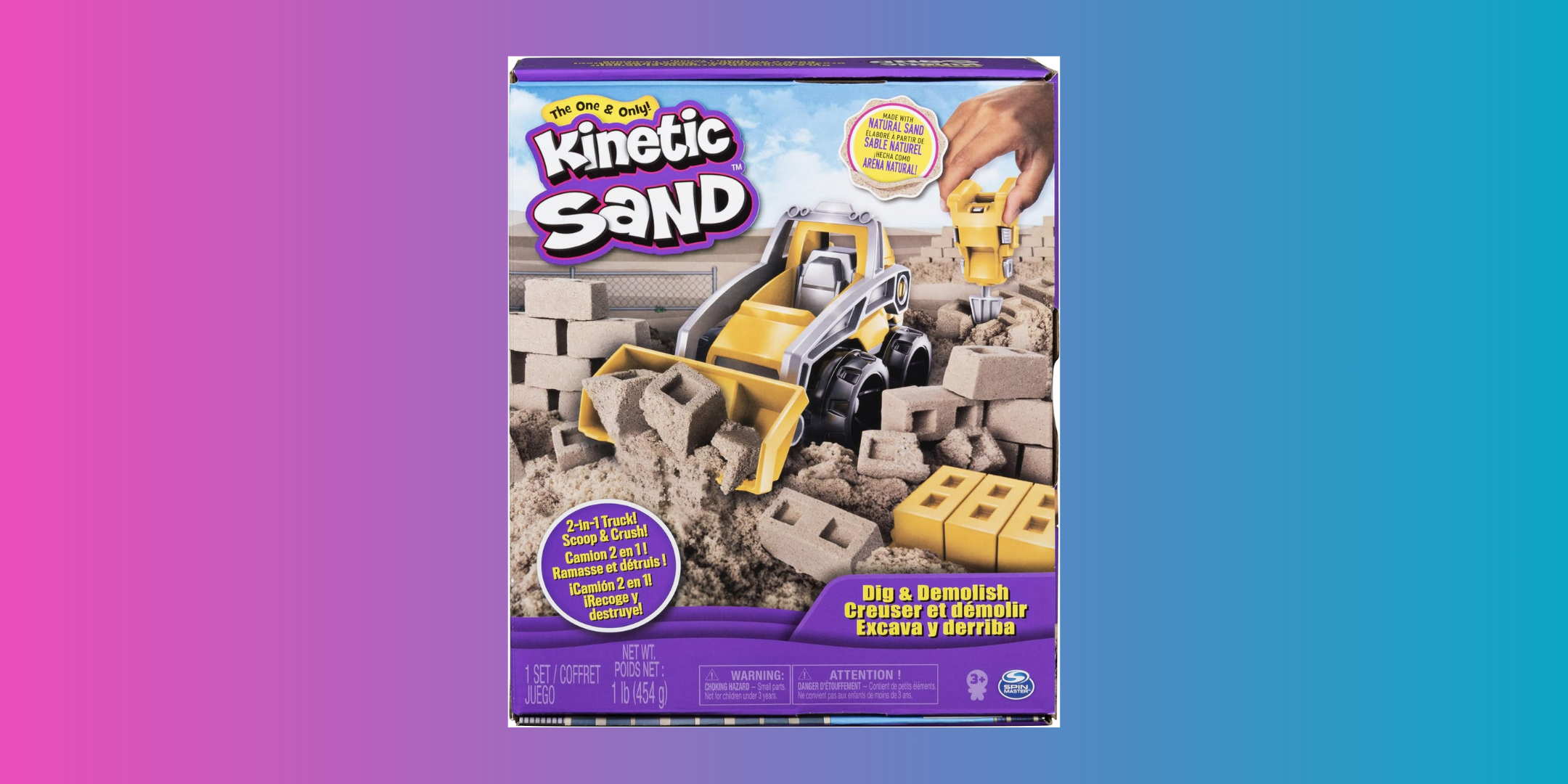
These concerns stem from a specific manufacturing lot, identified by the code KS‑2024‑A12. Not every package is affected, but if you bought Kinetic Sand between March and May 2024, it’s worth double‑checking.
How to Identify an Affected Package
- Look for the batch number printed on the back of the box, usually near the barcode.
- Verify the production date: products stamped “03/2024” through “05/2024” are the ones under review.
- If the packaging includes a “Recall – Do Not Use” sticker, it was already flagged by the retailer.
What to Do If Your Sand Is Affected
First, stop using the product immediately. Then follow these simple steps:
- Contact the manufacturer via the toll‑free number listed on the box or on their website. They’ll arrange a free return shipping label.
- Keep the original packaging and any receipts; they help speed up the refund process.
- Choose a refund or replacement—most companies offer a full refund or a non‑recall version of the same set.
If you’ve already noticed any unusual odors or skin irritation, wash the child’s hands thoroughly and monitor for any lingering symptoms.
Alternatives While You Wait
Parents often wonder how to fill the temporary gap. Fortunately, a few household items can mimic the tactile experience of kinetic sand without the recall risk:
- Mix cornstarch with a small amount of oil for a dough‑like texture.
- Combine baking soda and water; a bit of food‑grade silica adds a grainy feel.
- Pure play‑dough recipes—these are easy to make and store well.
These DIY options aren’t a perfect match, but they keep little hands busy and give you peace of mind.
When to Seek Professional Advice
Most incidents resolve with a simple product return, yet there are scenarios where a quick chat with a pediatrician makes sense:
- Persistent coughing or gagging after a child may have moused the sand.
- Red, itchy patches that don’t fade after washing.
- Any signs of an allergic reaction, such as swelling or hives.
What This Means for Future Purchases
Recalls happen, and they’re often a sign that safety processes are working—not failing. Looking ahead, consider these tips when stocking toys:
- Buy from retailers that offer clear return policies and post‑purchase support.
- Check for safety certifications (e.g., ASTM F963) before buying.
- Stay subscribed to alerts from consumer safety agencies; they’ll email you updates on recalls that match your purchase history.
Key Takeaways
- The Kinetic Sand recall targets specific batches from early 2024 due to choking and skin‑irritation concerns.
- Identify affected items by batch code, production date, and any recall stickers.
- Stop using the product, contact the maker for a refund or replacement, and keep documentation.
- Safe DIY sand alternatives can bridge the gap while the issue is sorted.
- Consult a healthcare professional if any adverse symptoms appear.