How to Use Your Koronatodistus for Safe Travel Now
If you’ve seen the term Koronatodistus pop up on airline apps, border kiosks, or travel forums, you’re not alone. It’s the Finnish word for a COVID‑19 vaccination or test certificate, and it has become the digital passport many countries rely on to keep journeys as safe as possible. Whether you’re hopping across the Baltic states or catching a flight to Southern Europe, knowing how to manage this proof can spare you long queues and unexpected denials.
What Exactly Is a Koronatodistus?
At its core, a Koronatodistus is a digitally signed record confirming that you’ve either been fully vaccinated, received a negative test result, or recovered from COVID‑19 within a specified time frame. The EU’s Digital COVID Certificate framework powers it, meaning the same QR code can be read by officials across member states. While the Finnish government issues the certificate in Finnish, the underlying data—vaccine type, test date, and validity period—is standardized, so border agents can verify it in any EU country.
How Different Countries Verify the Certificate
Most European nations use the same verification app, but the rules around acceptance vary. For example:
- Finland and Sweden: Accept any EU‑wide certificate, but they may still ask for a secondary proof of identity.
- Italy: Requires the certificate to show a negative PCR test taken within 72 hours for unvaccinated travelers.
- France: Allows entry with a vaccination proof older than six months if you present a recent negative antigen test.
Because the QR code is cryptographically signed, the checking system can instantly confirm its authenticity without contacting the issuing health authority. Still, it’s wise to carry a printed copy as a backup, especially if you’re traveling to non‑EU destinations that might rely on a visual scan rather than a digital reader.
Step‑by‑Step: Getting and Storing Your Certificate
Follow these steps to make sure your Koronatodistus is ready when you need it:
- Register with the national health portal: In Finland, this means logging into MyKanta or the Vaccine Passport app. Your vaccination or test data will automatically appear.
- Generate the QR code: Within the app, select “Download COVID Certificate.” The code is saved as a .png file and also linked to your mobile wallet.
- Back up the file: Email it to yourself, store it on a cloud drive, and consider printing a paper version. A double‑layer backup protects against dead batteries or lost phones.
- Check expiration dates: A vaccination certificate is usually valid for nine months after the last dose; a negative test is valid for 48–72 hours, depending on the country’s rules.
When you arrive at the border, simply open the QR code on your phone, let the officer scan it, and keep the paper copy handy in case the scanner glitches.
Practical Tips for Smooth Border Crossings
Even with a valid Koronatodistus, a few extra precautions can keep the experience hassle‑free:
- Know the local entry rules: Some countries, like Greece, still require a health questionnaire in addition to the certificate.
- Carry a second ID: A passport or national ID card helps verify the name linked to the QR code.
- Update the app: Health authorities push occasional firmware updates that improve QR‑code readability. A quick check before departure can prevent unexpected errors.
- Stay informed about changes: The European Centre for Disease Prevention and Control (ECDC) posts weekly updates on travel restrictions. A brief glance at their site the night before you leave can reveal sudden rule shifts.
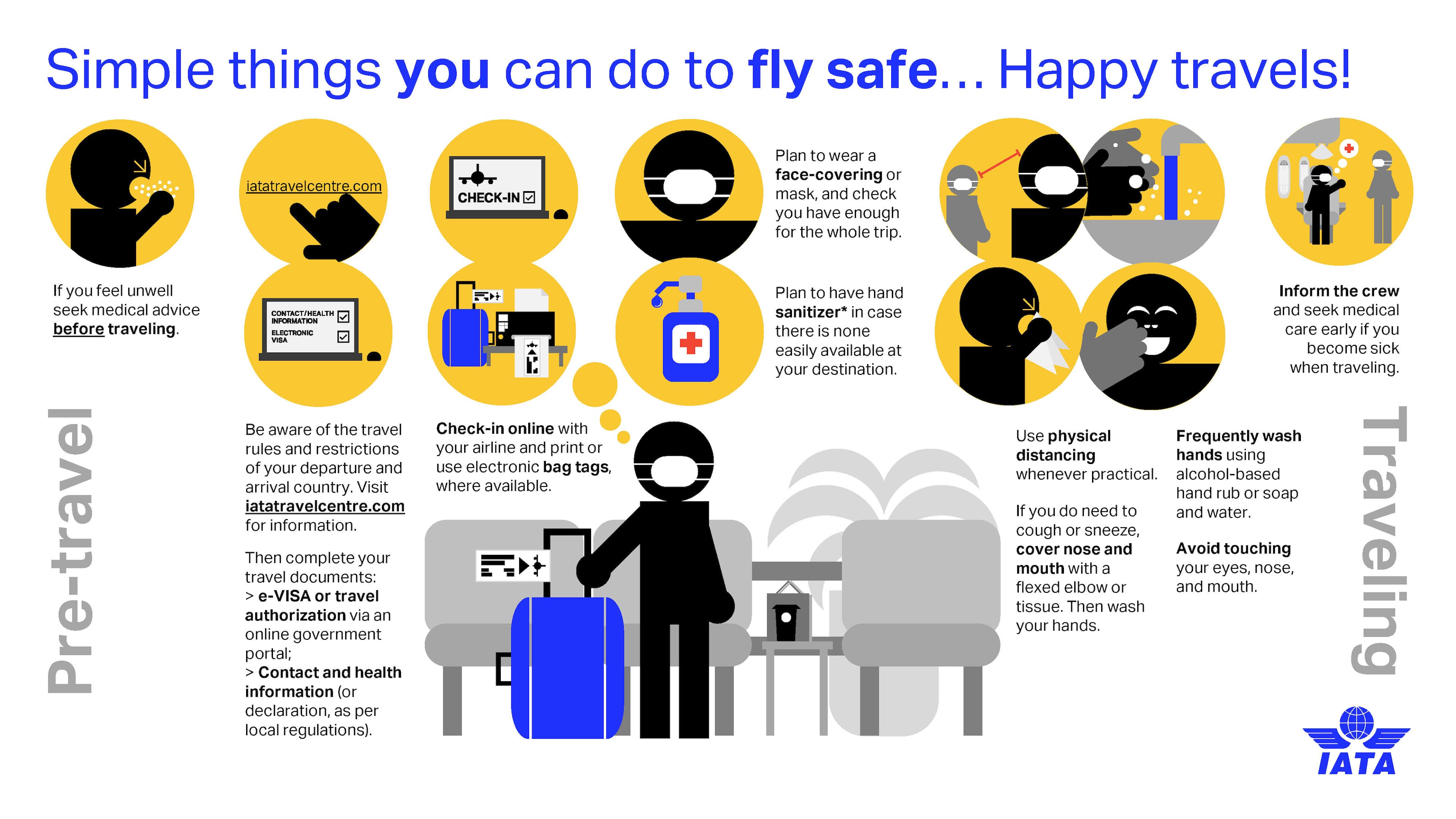
Lastly, remember that the Koronatodistus is only one piece of the safety puzzle. Wearing a mask on crowded transport, sanitizing surfaces, and respecting local health guidelines remain essential, especially in regions where case numbers fluctuate.
Frequently Asked Questions
What does a Koronatodistus look like?
It’s a QR code displayed on your phone or a printed sheet, accompanied by basic details such as your name, date of birth, vaccine type, and the certificate’s validity period.
Do I need a Koronatodistus for travel within the Schengen area?
Not always, but many Schengen states still request it for entry or for accessing certain venues like restaurants and museums. Checking the latest entry requirements for each country is advisable.
Can I use a non‑EU COVID certificate?
Some non‑EU certificates are accepted if they meet the same data standards, but acceptance is inconsistent. When in doubt, obtain an EU‑issued Koronatodistus to avoid surprises.
How can I verify that my QR code is genuine?
Open the QR code with the official EU verification app or a trusted national health app. If the app shows a green checkmark and displays your details correctly, the certificate is valid.