What Prison Uniform Color Codes Reveal About Inmates
Ever walked past a correctional facility and wondered why some inmates wear orange jumpsuits while others sport black tees? The answer lies in a surprisingly systematic color‑coding scheme. These hues aren’t just fashion statements; they serve practical, psychological, and administrative purposes that have evolved over more than a century.
From Stripes to Shades: A Brief History
In the late 1800s, prisons favored bold stripes or polka‑dots to make escapees instantly recognizable. As photography and later video surveillance entered the scene, the need for eye‑catching patterns faded. By the mid‑20th century, solid colors—often bright for visibility—took over. The shift wasn’t merely aesthetic; it reflected a growing emphasis on inmate classification and safety.
Some historians argue that the move to standardized colors helped reduce the stigma attached to “striped” prisoners, while others contend it was primarily a logistical decision. The truth probably sits somewhere in between.
The Core Reasons Behind Color Coding
Color choices serve several functions, each reinforcing the other.
- Security and Management: Distinct hues let staff quickly assess risk levels or special statuses—think of a guard spotting a red‑coded inmate from across the yard.
- Safety: High‑visibility shades reduce accidental injuries during drills or emergencies, especially in low‑light areas.
- Psychological Impact: Certain colors can influence mood and behavior, though the evidence is mixed.
- Administrative Efficiency: Uniform inventories become simpler when each category follows a predictable palette.
U.S. Prison Color Schemes: What You’ll Typically See
The United States doesn’t enforce a single national palette; each state or even individual facility may adopt its own system. Still, some patterns repeat.
Low‑Security or Work‑Release
Often, these inmates wear muted tones—khaki, slate gray, or light blue. The subdued palette signals a lower threat level and integrates more easily with community work programs.
Medium‑Security
Mid‑range facilities usually opt for navy blue or dark green. The colors are still visible but less striking than high‑security variants.
High‑Security
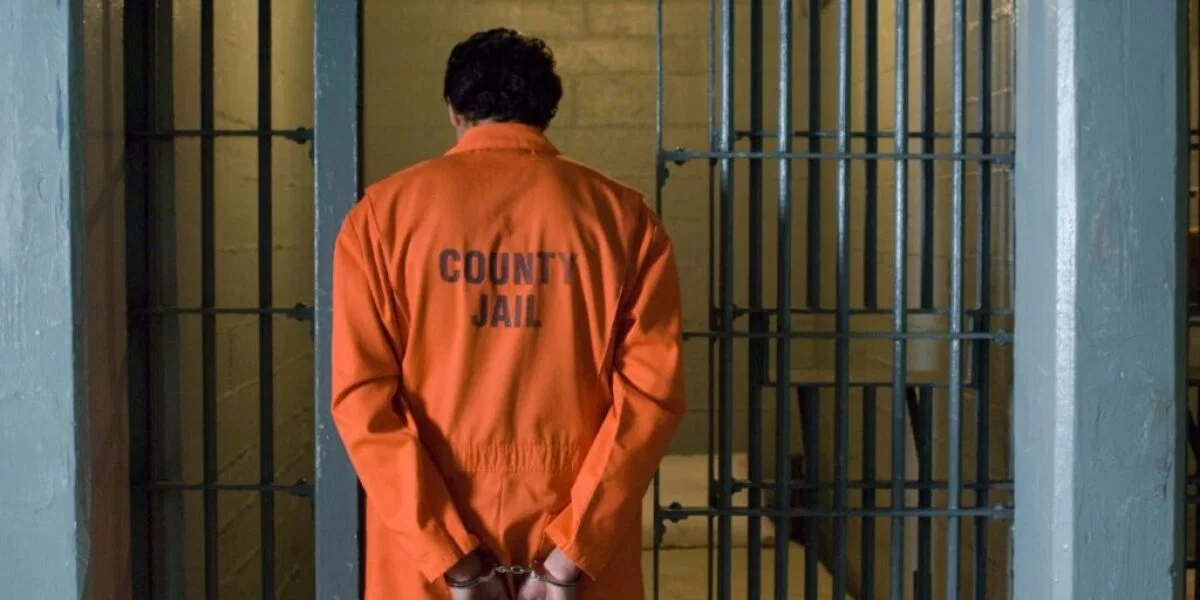
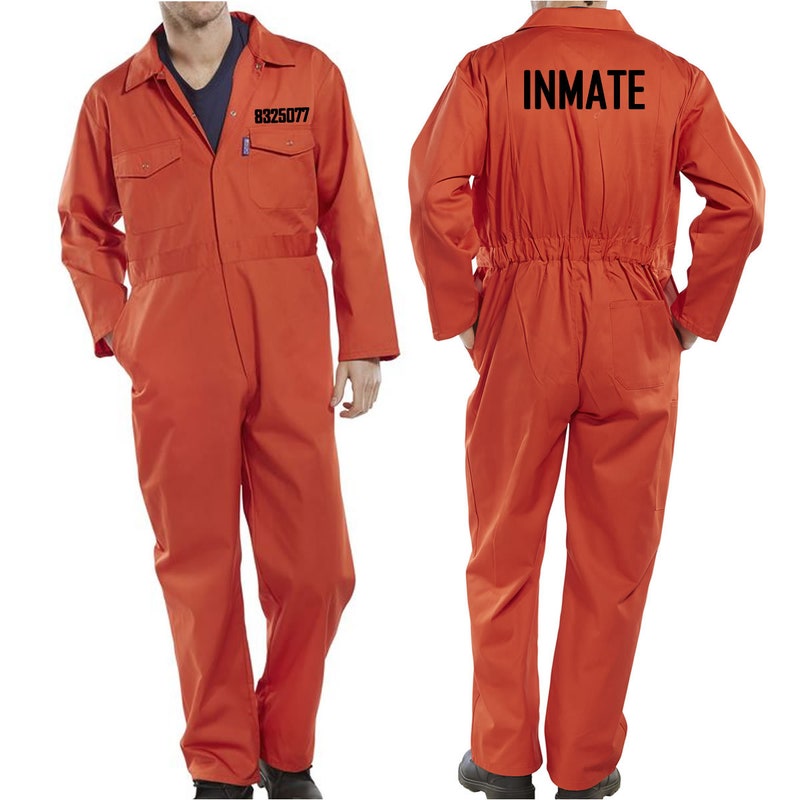
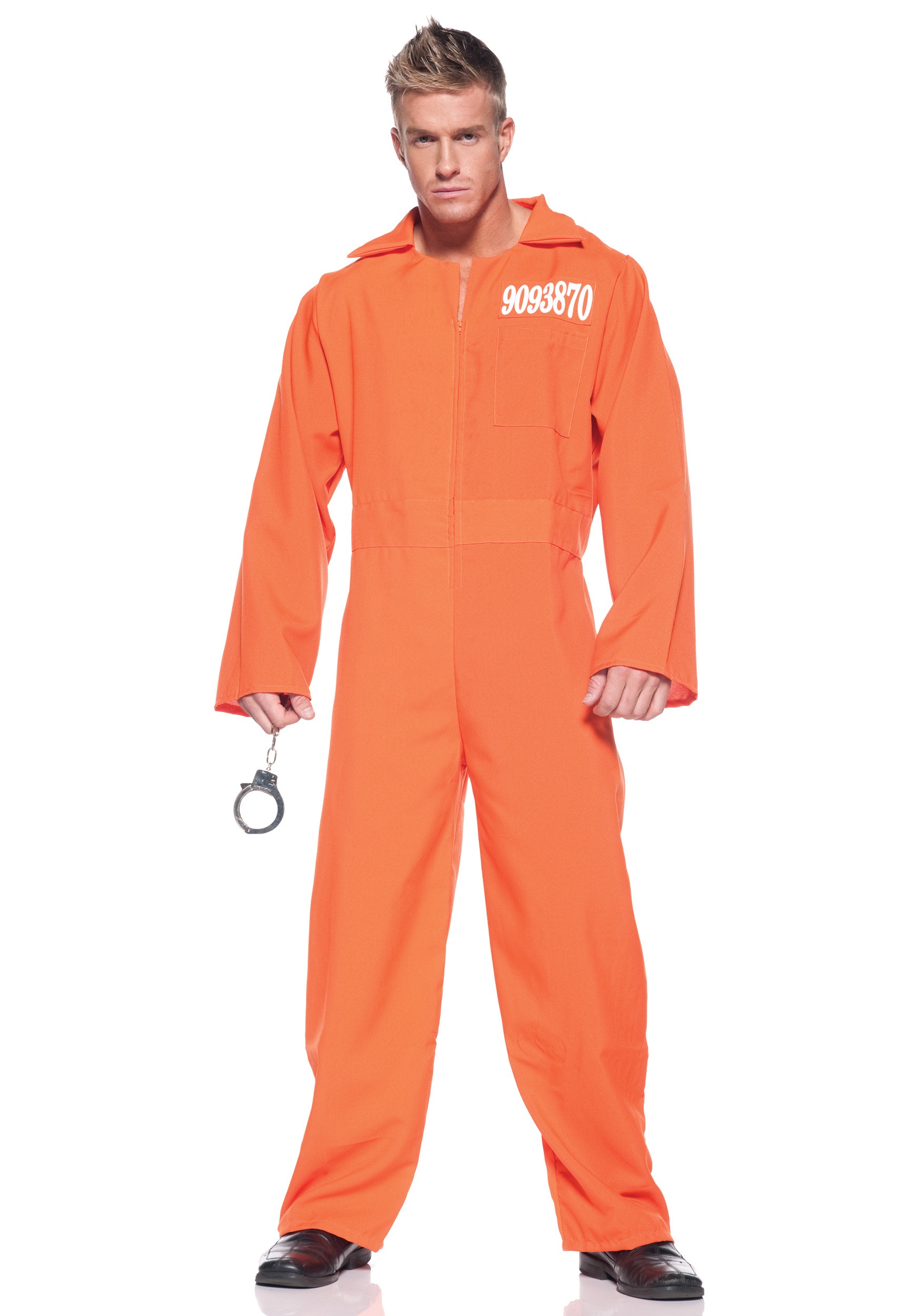
Here you’ll encounter the familiar orange jumpsuits, bright red shirts, or even high‑visibility yellow. Some jurisdictions reserve orange for all inmates, while others reserve it for those in segregation units.
Special Populations
- Medical or Mental Health Units: Soft pastel shades—like pale pink or light teal—aim to create a calmer environment.
- Protective Custody: Dark, often black or charcoal, uniforms help keep these inmates less conspicuous.
Beyond America: International Variations
Across the Atlantic, European prisons tend to favor more uniform colors—typically shades of gray or navy—regardless of security level. Asian facilities often use bright orange for all inmates, reflecting a different approach to visibility. In Brazil, a mix of bright yellows and greens distinguishes prisoners from staff during chaotic moments.
These global differences highlight that color coding is as much cultural as it is functional. Some countries argue that bright hues increase stigma, while others claim they deter escape attempts.
Do Colors Really Affect Behavior?
Psychologists have long debated the impact of uniform colors on mood. Red, for instance, can raise alertness—a possible reason it appears in high‑security settings. Blue is said to promote calm, which aligns with lower‑security or medical wards. Yet, the evidence isn’t conclusive; many experts caution against over‑attributing inmate conduct to a simple shade.
What’s clearer is that colors provide clear cues for staff. When a guard sees a bright orange figure, the response is instantly different than when encountering someone in a muted gray.
Recent Changes and Ongoing Debates
Some reform advocates push for neutral colors across the board, arguing that bright uniforms reinforce a punitive image and hamper rehabilitation. A handful of state prisons have experimented with earth tones, reporting mixed results—smaller incident rates but also occasional confusion during lockdown drills.
Conversely, correctional officials stress the practical benefits: rapid identification, reduced contraband exchanges (bright colors are less easy to conceal), and operational consistency. The conversation remains lively, with no clear consensus yet.
Practical Takeaways for Staff, Families, and Researchers
- For Guards: Familiarize yourself with the specific palette of your facility; differences can be subtle but meaningful.
- For Visitors: Knowing the color code can ease anxiety—seeing a red‑coded inmate doesn’t necessarily mean they’re dangerous, just that they belong to a particular unit.
- For Researchers: Treat color codes as one data point among many; cross‑reference with incident logs and inmate demographics for richer analysis.
In the end, prison uniform color codes are a blend of tradition, practicality, and evolving theory. They offer a visual shorthand that, when understood, can illuminate the complex mechanics of modern correctional management.