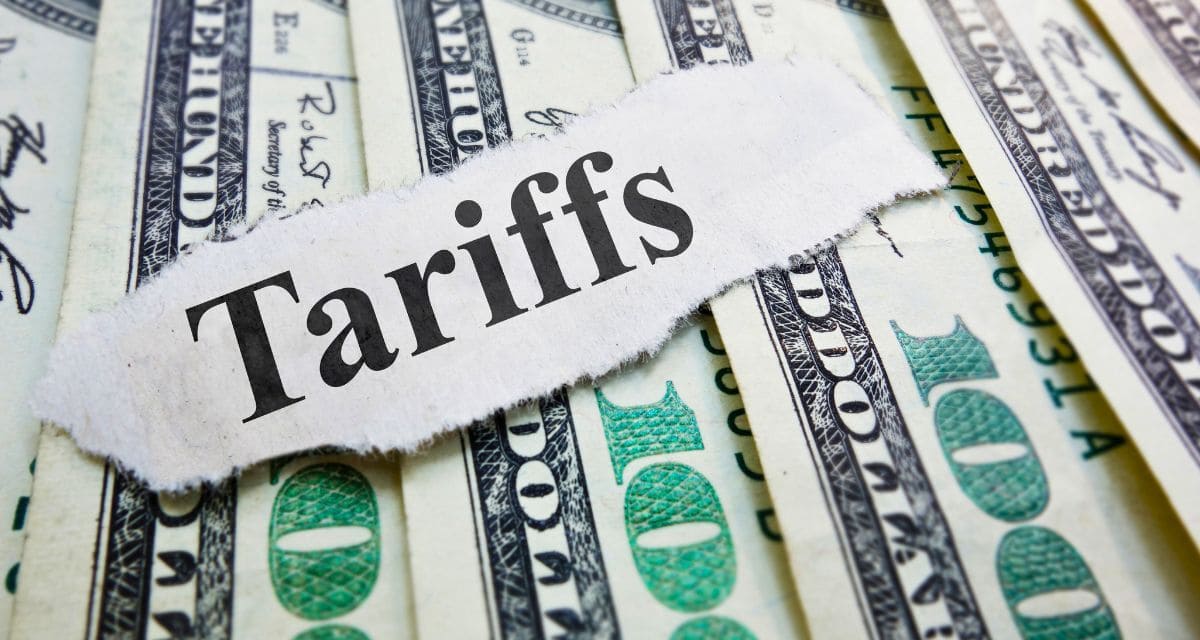
What Tariff Policy Really Means: A Practical Guide
When the news mentions “tariff policy,” most of us picture a stack of paperwork or a bureaucrat with a calculator. In reality, it’s a set of rules that shapes how countries tax imports and exports, influencing everything from the price of a smartphone to the viability of a small farm.
Unpacking the Basics
A tariff is simply a tax on goods crossing a border. The policy part is the government’s strategic plan: which products get taxed, at what rate, and why. Think of it as a traffic light system for trade – green for free flow, yellow for caution, red for restriction.
Why Governments Use Tariffs
- Protecting domestic industries – shielding local producers from cheaper foreign competition.
- Raising revenue – especially in nations where tax collection is otherwise limited.
- Negotiating leverage – using tariffs as bargaining chips in trade talks.
- Environmental or safety goals – discouraging imports that don’t meet certain standards.
How Tariff Rates Are Determined
There’s no single formula. Rates can be flat, like a 10 % charge on all imported steel, or they can vary by product value, destination, or even the exporting country’s compliance record. A common approach is the “most favored nation” clause, where member states of a trade agreement receive the same low tariffs.
Sometimes, the rates are a moving target. A government might start with a high duty to protect a fledgling industry, then gradually lower it as the sector matures – a process known as “tariff phasing.”
Real‑World Impacts You Might Notice
Ever wondered why your favorite coffee costs more after a new trade dispute? That’s the tariff ripple effect. Higher duties on imported beans raise wholesale prices, which retailers pass on to consumers.
On the flip side, when a country reduces tariffs on agricultural products, you might see fresher, cheaper produce on shelves. The benefits aren’t always evenly distributed, though; some workers in competing sectors could face job losses.
Key Terms to Keep in Your Toolbox
- Ad Valorem – a percentage of the product’s value (e.g., 5 %).
- Specific Duty – a fixed amount per unit (e.g., $2 per kilogram).
- Tariff Quota – a low‑tariff allowance for a limited quantity, after which higher duties apply.
- Non‑Tariff Measures – regulations that affect trade without involving a tax, such as safety standards.
Tariff Policy in the Context of Global Trade Agreements
Free trade agreements (FTAs) often aim to eliminate or reduce tariffs among signatories. The North American Free Trade Agreement (now USMCA) and the European Union’s customs union are prime examples. Yet, even within such blocs, exceptions exist – think of agricultural products that retain higher duties for political reasons.
When a country steps out of an agreement, it can re‑impose tariffs overnight, sending shockwaves through supply chains. The recent negotiations between major economies illustrate how quickly policy can shift, and why businesses keep a close eye on trade news.
Challenges and Controversies
Designing a tariff policy is a balancing act. Too protective, and you risk retaliatory tariffs from trade partners, which can spiral into a trade war. Too lax, and domestic producers might be outcompeted, leading to job losses.
Another sticky point is the “tariff‑induced inflation” argument. Critics claim that higher import taxes push up consumer prices, hitting low‑income households hardest. Proponents counter that the long‑term benefits of a stronger domestic sector outweigh short‑term price bumps.
What Businesses Need to Do
Staying ahead means more than just watching headlines. Companies often conduct “tariff mapping,” a detailed analysis of where duties apply across their supply network. This helps them decide whether to source locally, shift production, or absorb costs.
Strategic moves include:
- Negotiating with suppliers to share tariff burdens.
- Exploring alternative markets with lower duties.
- Investing in customs compliance software to avoid penalties.
Future Trends to Watch
Digitalization is reshaping customs procedures. “Single window” platforms let importers file all required documents online, speeding clearance and reducing errors. Meanwhile, environmental concerns are pushing some governments to adopt “carbon tariffs” on high‑emission goods.
Geopolitics will remain a major driver. As alliances shift, tariff policies will likely become more fluid, making flexibility a prized asset for any business that relies on cross‑border trade.
In short, tariff policy isn’t just a line item in a government budget; it’s a living framework that touches everyday purchases, corporate strategies, and international relations. Understanding its moving parts can turn a seemingly arcane topic into a practical advantage.
.png)