What You Need to Know About Mahidol University's Music Therapy Programs
Mahidol University has quietly become a hub for anyone curious about the healing power of sound. Its music therapy courses blend scientific research with hands‑on practice, offering students a path that feels both artistic and clinically robust.
Why Choose Music Therapy at Mahidol?
Unlike many programs that treat music therapy as an afterthought, Mahidol places it at the crossroads of health sciences, psychology, and the performing arts. Students graduate not just with a diploma, but with a deep understanding of how rhythm, melody, and harmony can influence mood, cognition, and even physical recovery.
Program Structure and Core Curriculum
The curriculum is divided into three main phases, each building on the last:
- Foundations (Year 1): Courses in music theory, anatomy, and basic psychology set the stage.
- Applied Skills (Year 2): Hands‑on modules such as clinical improvisation, group facilitation, and therapeutic assessment.
- Specialization (Year 3): Options include pediatric music therapy, neuro‑rehabilitation, and community outreach.
Electives let students explore related fields—like sound engineering or ethnomusicology—so they can tailor their expertise.
Admission Requirements
Mahidol looks for candidates who combine musical talent with a genuine interest in health care. The typical entry checklist includes:
- A bachelor’s degree in music, psychology, or a related discipline.
- Proof of instrumental or vocal proficiency (audition or portfolio).
- Minimum GPA of 3.0 on a 4.0 scale.
- Personal statement outlining career goals and motivation.
International applicants should also provide English proficiency scores—TOEFL iBT ≥ 80 or IELTS ≥ 6.5.
Hands‑On Experience: Clinics and Community Projects
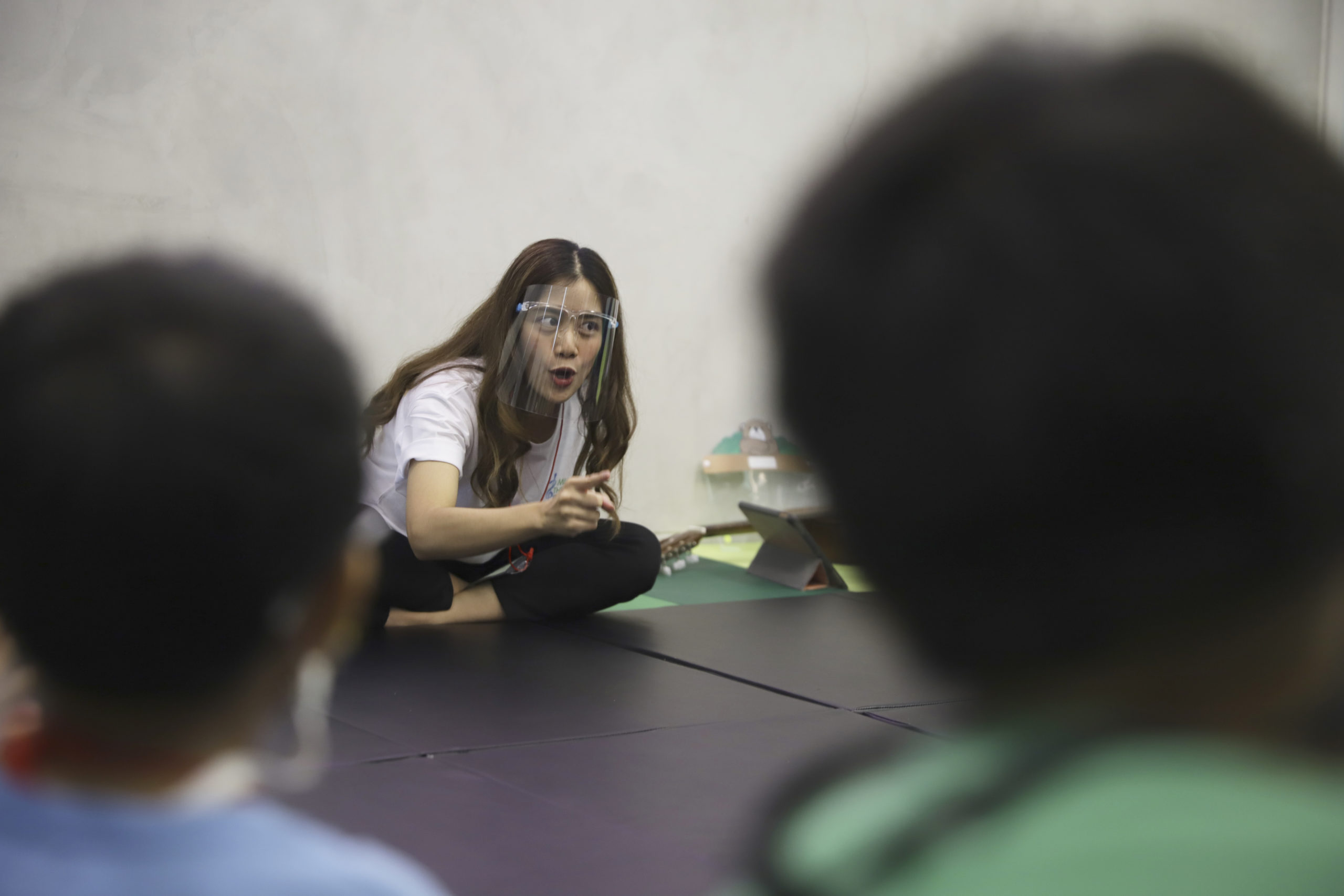
What really sets Mahidol apart is its integration with real‑world settings. Students spend part of their second year in the university’s on‑site therapy clinic, working under licensed supervisors. By the final year, many join community projects ranging from:
- Music‑based interventions in local hospitals.
- Workshops for elderly populations in rural villages.
- Collaborations with NGOs that use music to support refugees.
These placements not only deepen clinical skills but also teach cultural sensitivity—a crucial asset in today’s globalized health landscape.
Research Opportunities
Mahidol’s Faculty of Medicine houses a dedicated research lab for music‑health studies. Graduate students can co‑author papers on topics such as:
- Neuroplastic changes after rhythmic training.
- Effectiveness of song‑writing therapy for trauma survivors.
- Comparative outcomes of group versus individual music sessions.
Access to state‑of‑the‑art EEG and fMRI equipment means that even undergraduate theses can reach publishable quality.
Career Paths After Graduation
Alumni of Mahidol’s program find themselves working in diverse environments:
- Hospitals and rehabilitation centers as certified music therapists.
- Schools, providing support for children with special needs.
- Research institutions, pursuing advanced studies on music‑induced neuroplasticity.
- Private practice, often blending therapy with performance or composition.
Many also continue on to master’s or doctoral programs, both locally and abroad, leveraging Mahidol’s strong academic reputation.
Student Life and Campus Resources
Beyond the classroom, Mahidol offers a vibrant campus culture. The Music Therapy Society hosts monthly jam sessions, guest lectures, and outreach events. A well‑stocked music library provides rare scores, while the on‑campus recording studio lets students experiment with therapeutic soundscapes.
How to Apply: Step‑by‑Step Guide
1. Gather Your Documents
Prepare transcripts, a portfolio of performances (audio/video), and a concise personal essay (max 500 words).
2. Submit the Online Application
The portal opens every March. Fill out each field carefully—Mahidol’s admissions team flags incomplete forms quickly.
3. Attend the Audition
Successful applicants are invited to a live audition in Bangkok, usually scheduled within two weeks of the online deadline.
4. Wait for the Decision
Acceptance letters are sent by early June. Those who receive offers must confirm enrollment and pay a modest tuition deposit.
Frequently Asked Questions
Q: Is prior clinical experience required?
A: Not strictly, though volunteering in health‑related settings can strengthen your application.
Q: Can I study part‑time?
A: Mahidol primarily offers full‑time tracks, but a limited number of evening courses are available for working professionals.
Q: What scholarships are available?
A: The university awards merit‑based scholarships to top‑scoring candidates and offers financial aid for students from low‑income backgrounds.
If music moves you and you’re intrigued by its therapeutic potential, Mahidol University’s music therapy programs deserve a closer look. Their blend of rigorous science, artistic freedom, and community engagement creates a learning environment that prepares graduates for a rewarding, multidisciplinary career.