What You Should Know About the Mandible and Its Functions
The mandible, more commonly called the lower jawbone, isn’t just a piece of bone that holds your teeth. It’s a dynamic structure that shapes your face, enables speech, and even plays a role in digestion. If you’ve ever wondered why a broken jaw feels so debilitating, or how orthodontists move teeth without touching the skull, the answers lie in the mandible’s anatomy and its many responsibilities.
Anatomy of the Mandible: A Quick Tour
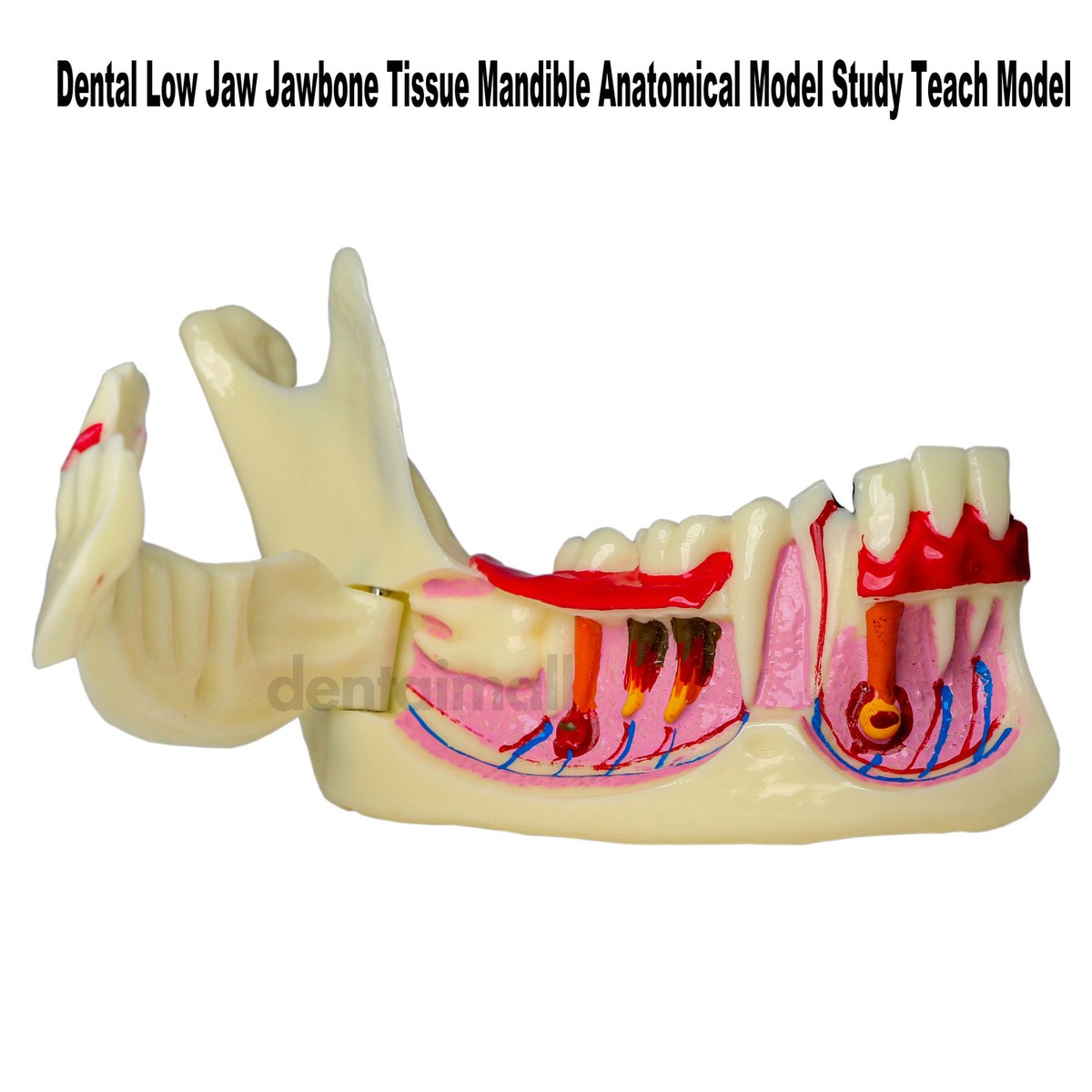
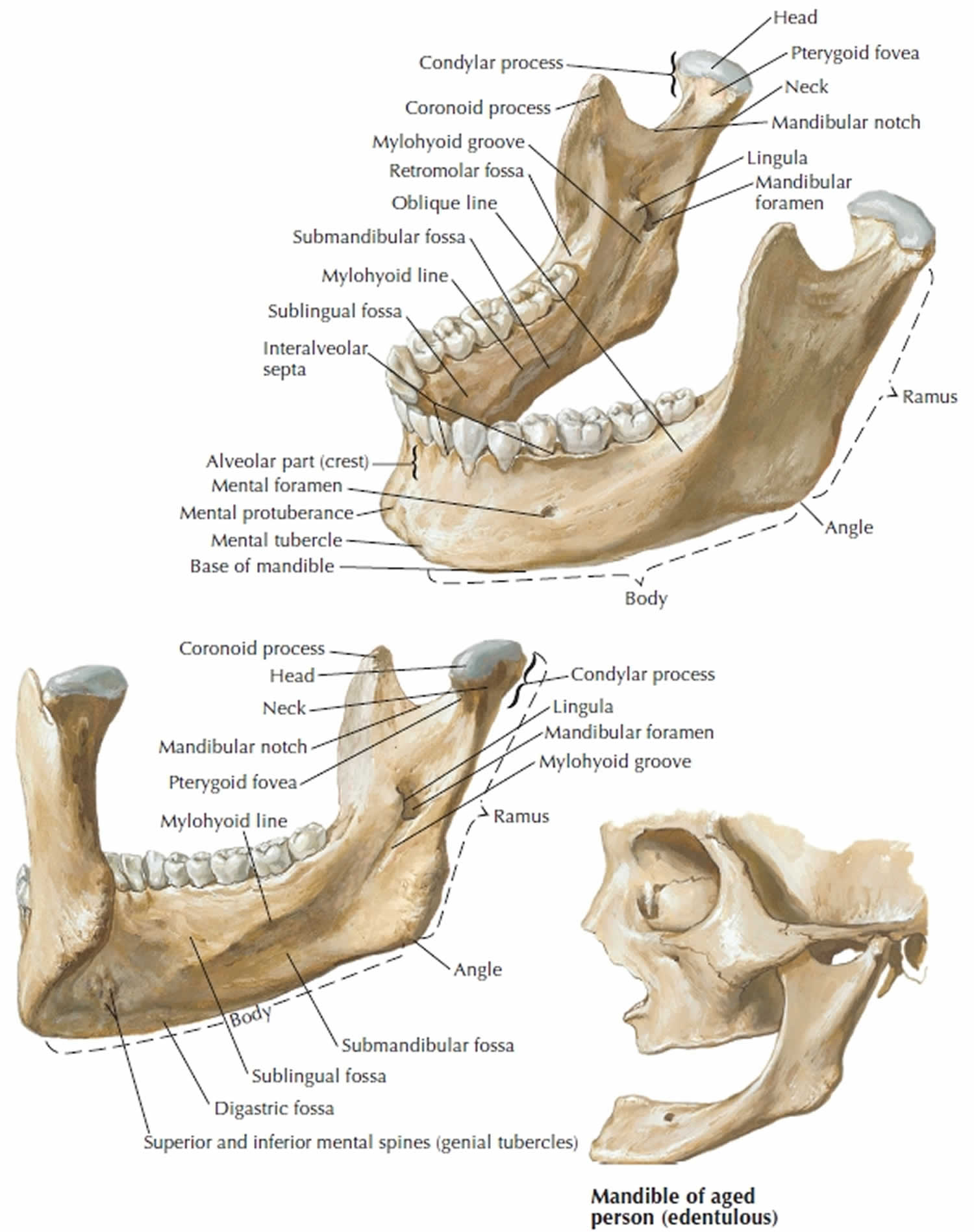
At first glance the mandible looks like a simple U‑shaped bone, but a closer look reveals several distinct regions, each with its own purpose.
- Body – the central horizontal segment that bears the lower teeth.
- Rami – the two vertical extensions that rise toward the ears.
- Condyles – rounded knobs at the top of each ramus that articulate with the skull’s temporomandibular joints (TMJ).
- Coronoid Process – a triangular projection in front of the condyles, where the masseter muscle attaches.
- Mental Foramen – small openings near the chin that let nerves and blood vessels pass through.
These landmarks aren’t merely textbook terms; they’re the points where muscles, ligaments, and nerves converge, turning the mandible into a true hinge for the lower face.
Key Functions: More Than Just Chewing
Chewing is the headline act, but the mandible’s resume is surprisingly diverse.
Facial Support and Aesthetics
By forming the lower contour of the face, the mandible gives your chin its shape and defines the jawline. Any alteration—whether from injury or prolonged tooth loss—can subtly shift your profile.
Speech Production
Pronouncing consonants like “p,” “b,” and “t” requires precise movement of the lower teeth against the upper palate. The mandible’s mobility, thanks to the TMJ, makes those rapid adjustments possible.
Respiratory Aid
During heavy exertion, the mandible can help open the airway slightly by moving the tongue and associated muscles, making breathing a touch easier.
Protective Role
While the skull shields the brain, the mandible acts as a buffer for the lower facial region, absorbing impacts that might otherwise damage soft tissues.
Common Issues and How to Care for Your Mandible
Because the mandible is constantly in motion, it’s prone to a handful of problems that most people encounter at some point.
- Temporomandibular Joint Disorder (TMD) – pain or clicking around the joint, often triggered by stress or grinding.
- Fractures – typically from sports injuries or accidents; a broken mandible can affect speech and eating.
- Osteoporosis‑related weakening – loss of bone density may make the mandible more susceptible to fractures.
- Dental misalignment – crooked teeth can place uneven pressure on the jawbone, leading to wear over time.
Preventive steps are straightforward:
- Maintain good oral hygiene to support the teeth that anchor the bone.
- Wear protective mouthguards during contact sports.
- Manage stress; consider night guards if you suspect bruxism.
- Include calcium‑rich foods and vitamin D in your diet to keep bone health in check.
Interesting Facts You Might Not Know
The mandible holds a few surprise tidbits that make it more than just a functional bone.
- It’s the only movable bone in the skull, thanks to the uniquely flexible TMJ.
- When you’re born, the mandible is a single piece; it fuses with the rest of the skull around age 7.
- Human mandibles can grow up to 30 mm in length during adulthood, mainly due to dental development.
- Anthropologists often use mandible shape to trace evolutionary links among ancient hominids.
When to Seek Professional Help
If you notice persistent pain, difficulty opening your mouth, or a change in your bite, it’s wise to consult a dentist or oral surgeon. Early intervention can prevent minor discomfort from turning into a chronic condition.
To sum up, the mandible is a multitasking marvel—supporting facial structure, enabling speech, aiding breathing, and protecting the lower face. Understanding its anatomy and functions not only satisfies curiosity but also guides better daily habits that keep this essential bone healthy.