Why China Stopped Buying U.S. LNG: Tariff Tensions Explained
In early 2024, Beijing announced a sudden pause on liquefied natural gas (LNG) shipments from the United States. The move, framed as a response to rising tariff pressures, has sent ripples through global energy markets and raised questions about the future of Sino‑American trade in the clean‑fuel sector.
China Halts US LNG Imports: What Prompted the Decision
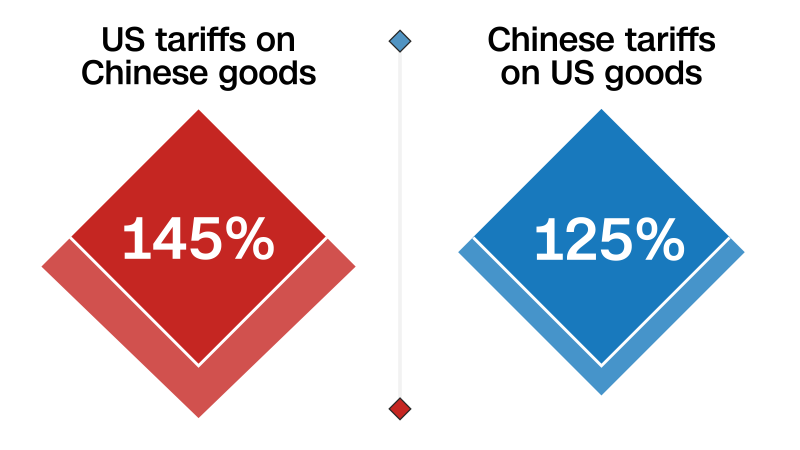
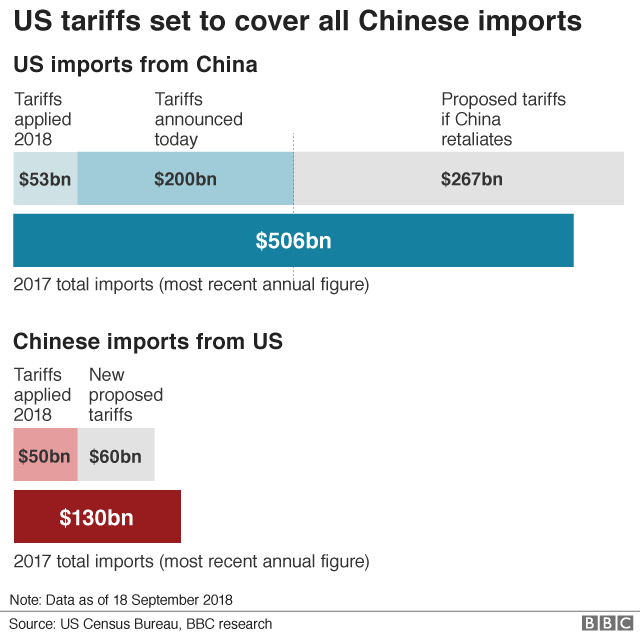
China’s import curtailment did not happen in a vacuum. Over the past year, Washington has incrementally increased duties on a range of Chinese goods, citing alleged subsidies and unfair trade practices. In retaliation, Beijing hinted it might target commodities that are strategically important to the U.S., and LNG quickly became a bargaining chip.
Official statements from the Ministry of Commerce emphasize “reciprocal fairness” as the guiding principle. While no formal tariff on U.S. LNG has been levied yet, the Chinese authorities have imposed a provisional surcharge on incoming shipments, effectively raising the cost for American exporters.
How the Tariff Dispute Affects Global LNG Prices
Liquefied natural gas is a globally traded commodity, and price signals travel fast. When China— the world’s largest LNG importer—signals a reduction in demand, buyers elsewhere scramble to fill the gap. This has led to a modest uptick in spot prices across Asia, especially for cargoes originating from Australia and Malaysia.
- Short‑term effect: U.S. producers face a sudden loss of a market that accounted for roughly 15 % of their export volume in 2023.
- Medium‑term outlook: Traders anticipate a reshuffling of cargo routes, with more LNG flowing to Japan and South Korea, which have deep storage capacities.
Analysts caution that the price impact may be muted if China quickly replaces the shortfall with alternative sources. Nevertheless, the uncertainty surrounding the tariff environment adds a risk premium to all LNG contracts linked to Asian delivery points.
China’s Energy Strategy: Beyond the Tariff Tussle
While the tariff row is the headline, China’s broader energy policy also plays a role. The country has pledged to peak carbon emissions before 2030 and achieve net‑zero by 2060. Natural gas, and specifically LNG, is viewed as a bridge fuel that can displace coal in power generation.
Yet Beijing is simultaneously accelerating domestic gas production and expanding pipeline connections with Central Asian suppliers. This dual approach—import diversification and domestic scaling—means that a temporary pause on U.S. LNG does not necessarily signal a retreat from gas altogether.
U.S. Industry’s Response and Adaptation
American LNG exporters are not standing still. Companies such as Cheniere, NextDecade, and Venture Global have begun re‑routing cargoes to European and South American buyers who are eager for additional supply amid their own energy security concerns.
In addition, the U.S. Department of Energy has signaled readiness to engage in diplomatic talks aimed at defusing the tariff dispute. While no formal resolution has emerged, there is a growing consensus that a stable trade relationship is in both nations’ long‑term interests.
Potential Scenarios for the Next 12–18 Months
Three plausible pathways could shape the trajectory of U.S. LNG sales to China:
- Negotiated settlement: Both governments reach a compromise, possibly involving a limited tariff exemption for energy commodities.
- Extended suspension: China continues its halt, prompting U.S. exporters to permanently redirect capacity toward other markets.
- Partial resumption: Limited cargoes return under spot contracts, with long‑term contracts delayed until the trade climate stabilizes.
Each scenario carries distinct implications for price volatility, investment decisions, and the geopolitical balance of energy supply.
What This Means for Energy Consumers
For businesses and households in Asia, the ripple effects are already visible. Utilities that had locked in long‑term U.S. LNG contracts may face higher procurement costs if they need to replace those supplies on the spot market. Conversely, consumers in the United States may see a modest reduction in domestic gas prices, as more of the production stays home.
Investors should watch the evolving policy dialogue closely. Companies with diversified supply chains—those that source LNG from multiple regions—are better positioned to weather sudden trade shocks.
FAQ
Why did China choose LNG as a leverage point in the tariff dispute?
LNG is a high‑value, easily transportable commodity that directly affects energy security. By targeting it, Beijing can apply immediate economic pressure without jeopardizing critical domestic energy needs.
Will the halt on U.S. LNG imports lead to higher natural gas prices in China?
In the short term, prices may rise as importers turn to costlier alternatives. Over the longer horizon, increased domestic production and diversified import sources could mitigate sustained price spikes.
How are European LNG markets responding to the redirected U.S. cargoes?
European buyers, still concerned about supply reliability after recent geopolitical tensions, have welcomed the additional cargoes, which help to balance their own demand‑supply dynamics.
Is the tariff issue likely to spill over into other energy sectors?
There is a risk, especially for coal and renewable equipment, as both sides may use trade measures to gain leverage across the broader energy portfolio.