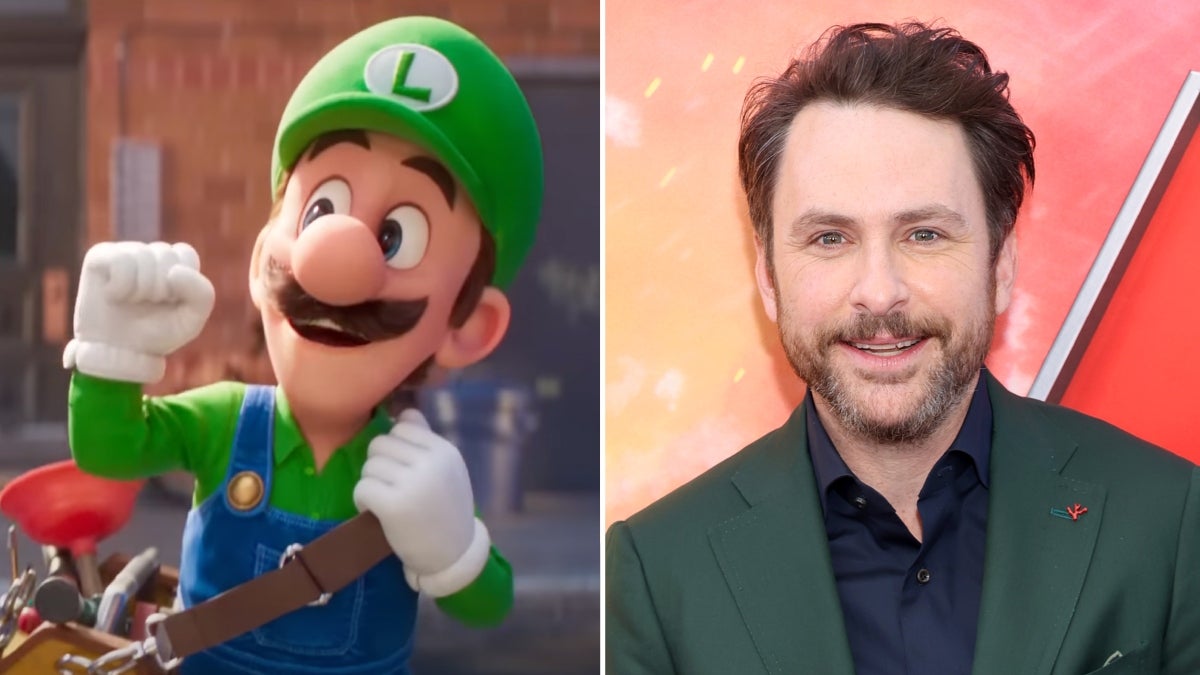
Why Luigi's Voice in New Super Mario Bros. U Is Unexpectedly Hilarious
When New Super Mario Bros. U landed on the Wii U, most players were expecting the familiar jump‑and‑run formula, bright colors, and the classic power‑up fanfare. What caught many off guard, though, was the way Luigi sounded—his voice a little higher, a touch goofier, and unmistakably comedic. It’s a small detail that ended up coloring the whole experience in a surprisingly light‑hearted way.
The Surprise of Luigi's Vocal Tone
Longtime fans know Luigi as the quieter, slightly nervous brother who often lives in Mario’s shadow. In previous entries his vocalizations were limited to a few grunts or the occasional “Let’s go!” that mirrored his sibling’s tone. NSMBU, however, gave him a distinct sound palette that felt more like a cartoon sidekick than a plumber in training.
This shift wasn’t just a random tweak; it was a deliberate decision to highlight Luigi’s endearing awkwardness. The developers wanted players to hear his hesitation, his exaggerated excitement, and that unmistakable hint of panic when a Goomba appears too close. The result is a voice that feels both familiar and freshly amusing.
How the Voice Was Crafted
Charles Martinet, the veteran voice behind both Mario and Luigi, has spoken in interviews about adjusting his performance to match each game’s mood. For NSMBU he was asked to push Luigi’s personality into a more overtly comedic realm—think of a nervous teenager who’s just discovered he’s great at karaoke.
Recording sessions involved multiple takes where Martinet would exaggerate the tremble in Luigi’s voice, then pull it back just enough to keep it recognizable. Sound designers layered in subtle reverb and a slight pitch lift, giving the lines that “bouncing off a mushroom” quality. The process was collaborative, with the team listening back and deciding whether a line sounded more like a startled squeak or a confident cheer—often opting for the former.
Memorable Hilarious Moments
Certain lines have become instant fan favorites because of how they clash with the usual Mario seriousness. Here are a few standouts:
- Luigi’s startled “Whoa!” when he accidentally hits a hidden block, delivered with a pitch that makes it sound like he’s just seen a ghost.
- The exaggerated “Mamma mia!” that slips out after a missed jump, turning a moment of frustration into a comedic punchline.
- His cheerful yet slightly off‑key “Let’s‑a go!” that, unlike Mario’s firm version, carries a playful lilt, as if he’s trying to convince himself.
- The soft, almost whispered “Oh dear” when he narrowly avoids a Spike Top, a line that feels more like a sitcom reaction than a game cue.
These moments aren’t just audio Easter eggs; they’re woven into the gameplay loop, popping up frequently enough that players start anticipating Luigi’s next vocal quip.
Fan Reception and Community Remixes
Shortly after release, YouTube compilations titled “Luigi’s Funniest Voices in NSMBU” began surfacing, garnering hundreds of thousands of views. Memes sprang up pairing his surprised yelps with captions like “When you realize you forgot to save.” Remix artists took the vocal samples and turned them into lo‑fi beats, chiptune tracks, and even short skits that imagine Luigi narrating his own disastrous cooking show.
The community’s response shows how a subtle audio change can ripple outward. Players began recording their own playthroughs, specifically highlighting moments where Luigi’s voice added an extra layer of humor. Some even modded the game to amplify those lines, creating custom sound packs that emphasize the comedic tone.
Why It Matters for the Series
While the core gameplay of NSMBU remains rooted in classic platforming, the vocal direction helped cement Luigi’s identity as more than just “Mario’s brother in green.” It reinforced his role as the lovable underdog whose nerves and earnestness make him endearing. Subsequent titles have carried forward this tone, giving Luigi a consistent voice that balances bravery with a lovable dose of self‑doubt.
In a franchise where sound effects often recycle the same cheerful jingles, taking a chance on a character’s vocal personality proved worthwhile. It reminded players that humor doesn’t always need grand set‑pieces; sometimes it’s hidden in a single, well‑placed exclamation.
So the next time you hear Luigi’s startled yelp echo from a hidden block, remember that it’s the product of careful direction, a willingness to let a beloved character laugh at himself, and a community that turned that chuckle into a lasting piece of gaming lore.