Why Poultry Farming Is Booming in the Philippines Today
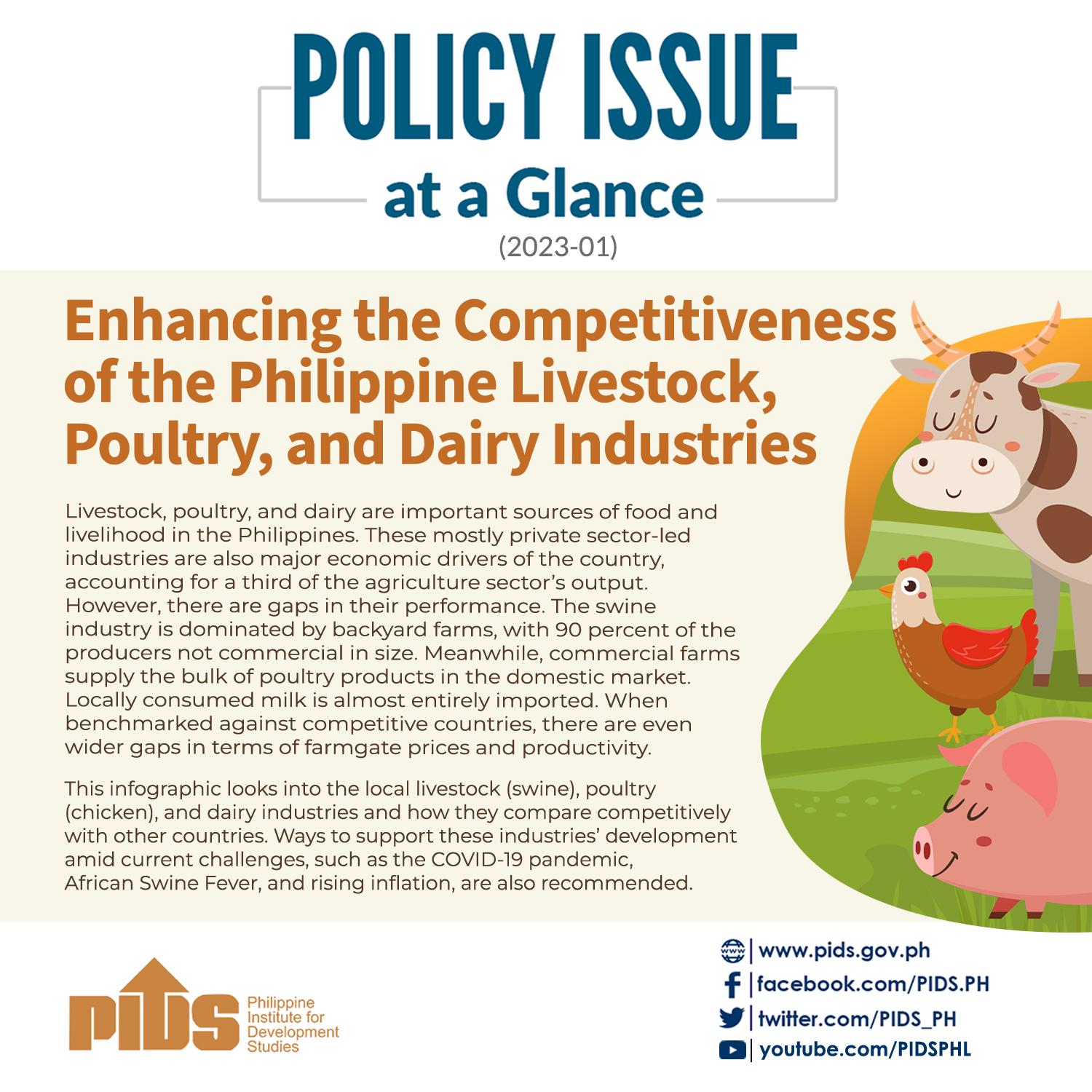
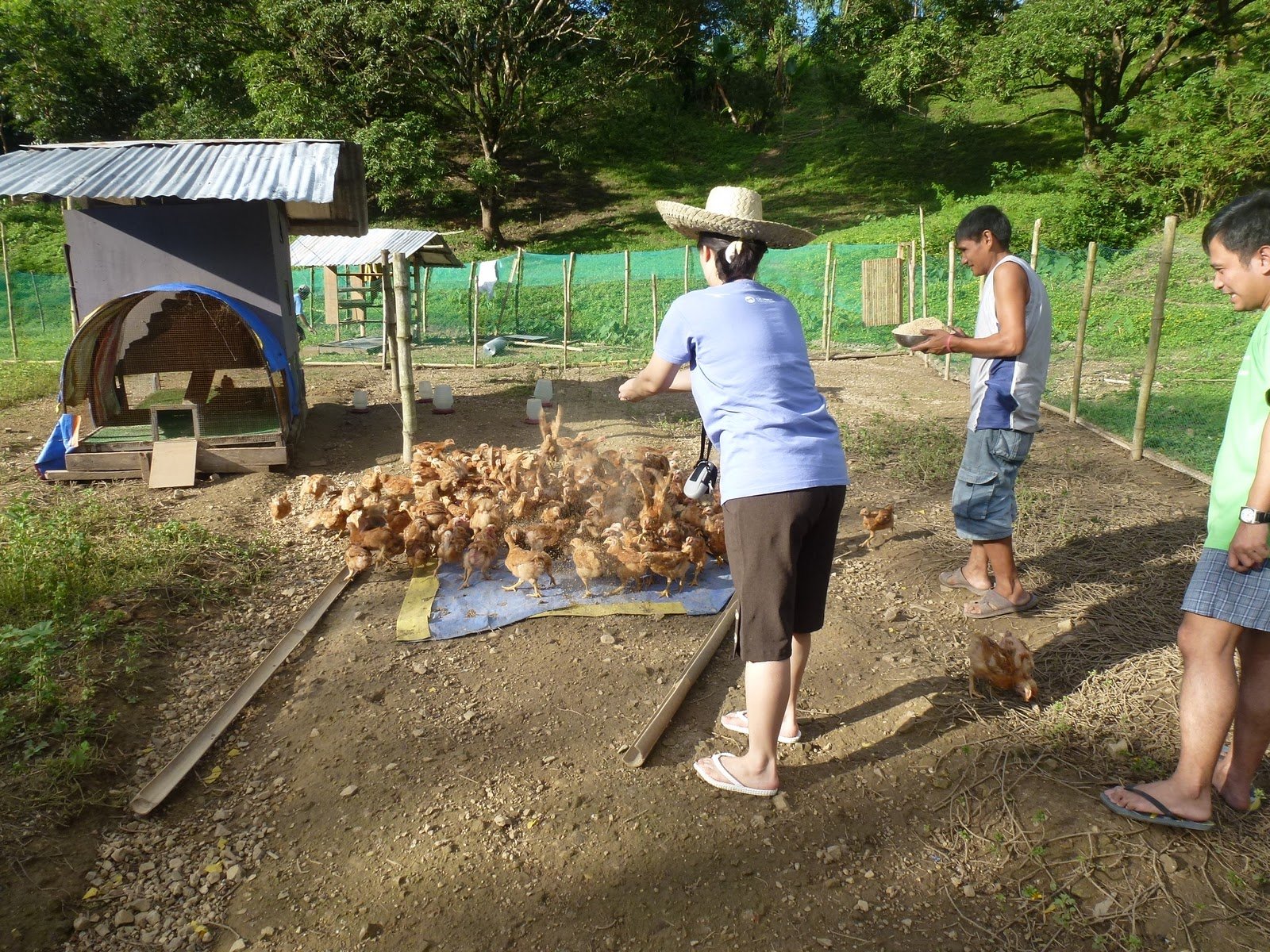
In the last decade, poultry farming in the Philippines has shifted from a modest backyard activity to a cornerstone of the nation’s agricultural economy. Rising consumer demand for affordable protein, coupled with advances in breeding technology and supportive government policies, has turned the sector into a vibrant source of jobs and income. Whether you’re a seasoned farmer, an aspiring entrepreneur, or just curious about the country’s food landscape, understanding what fuels this growth can reveal both opportunities and challenges ahead.
Economic Drivers Behind the Surge
Several intertwined forces have accelerated the expansion of poultry production. First, the Philippines’ young and expanding population—projected to exceed 115 million by 2030—creates a steady appetite for chicken, which is often cheaper than beef or pork. Second, urbanization has altered eating habits; city dwellers increasingly favor quick, protein‑rich meals, and chicken fits the bill perfectly.
Third, the sector benefits from relatively low feed costs compared with other livestock. Locally sourced corn and rice bran, combined with imported soybean meal, keep feed expenses manageable, especially for medium‑scale farms that can negotiate bulk prices. Finally, modest improvements in logistics—better cold‑storage facilities and more reliable road networks—have reduced post‑harvest losses, allowing producers to reach markets farther from the farm.
Key Challenges and How Farmers Are Adapting
Growth does not come without hurdles. Disease outbreaks, such as avian influenza, remain a perennial threat, capable of wiping out entire flocks within weeks. To mitigate risk, many farmers now adopt bio‑security protocols that include controlled access to poultry houses, regular health monitoring, and vaccination schedules endorsed by the Department of Agriculture.
- Rising feed prices: Seasonal spikes in corn and soy can squeeze profit margins. Some operators counter this by integrating feed mills on‑site, ensuring a steady supply at predictable costs.
- Land constraints: As agricultural land shrinks, vertical poultry houses—multi‑level cages stacked vertically—are gaining popularity, especially near urban centers.
- Skill gaps: Modern poultry farming demands knowledge of genetics, nutrition, and data‑driven management. Extension services and private training programs are stepping in to bridge this gap.
These adaptations illustrate a sector that is not merely expanding in size but also maturing in sophistication.
Government Support and Policies
The Philippine government has recognized poultry’s strategic importance. The Department of Agriculture’s “Philippine Poultry Development Program” offers low‑interest loans, subsidized vaccines, and technical assistance to both smallholders and large commercial operators. Moreover, recent amendments to the “Feed Act” streamline import procedures for high‑quality feed ingredients, helping keep production costs competitive.
Tax incentives also play a role. Enterprises that invest in modern processing facilities or environmentally friendly waste‑management systems can qualify for reduced corporate tax rates under the “Green Business Incentive” scheme. These measures collectively aim to boost self‑sufficiency—currently, the country still imports roughly 20 % of its poultry meat—while safeguarding farmer livelihoods.
Future Outlook and Opportunities
Looking ahead, several trends suggest that poultry farming will remain a growth engine. Consumer preferences are tilting toward “free‑range” and “organic” chicken, opening niche markets for premium producers willing to certify their farms. Meanwhile, advances in genetic research promise faster‑growing, disease‑resistant breeds, potentially slashing production cycles from 45 to 30 days.
Technology is another game‑changer. Mobile apps now enable real‑time monitoring of temperature, humidity, and feed consumption, allowing farm owners to adjust conditions instantly. Some forward‑thinking operations are even experimenting with blockchain to trace the journey of each bird from hatchery to table, catering to increasingly transparent consumers.
Finally, the sector’s labor needs present a double‑edged sword. While poultry farms generate employment—particularly in rural provinces like Nueva Ecija and Laguna—there is a pressing demand for skilled workers. Partnerships between agricultural schools and industry players could create apprenticeship pipelines, ensuring that the next generation is equipped to sustain the momentum.
Frequently Asked Questions
What is the average profit margin for a medium‑scale poultry farm in the Philippines?
Margins vary widely, but many medium‑scale operations report net profits ranging from 8 % to 12 % after accounting for feed, labor, and overhead costs.
How can new entrants obtain financing for a poultry business?
The Department of Agriculture’s Agri‑Business Loan Program offers loans with interest rates as low as 5 % per annum, and several commercial banks provide tailored packages for agribusinesses.
Are there government programs that help with disease prevention?
Yes. The National Animal Health Service conducts regular vaccination drives and provides subsidized avian flu vaccines to registered poultry farms.
Is it feasible to start a small backyard operation and eventually scale up?
Many successful growers began with a few dozen birds. By reinvesting earnings, adopting better bio‑security, and gradually expanding housing capacity, they can transition to commercial‑scale production over several years.