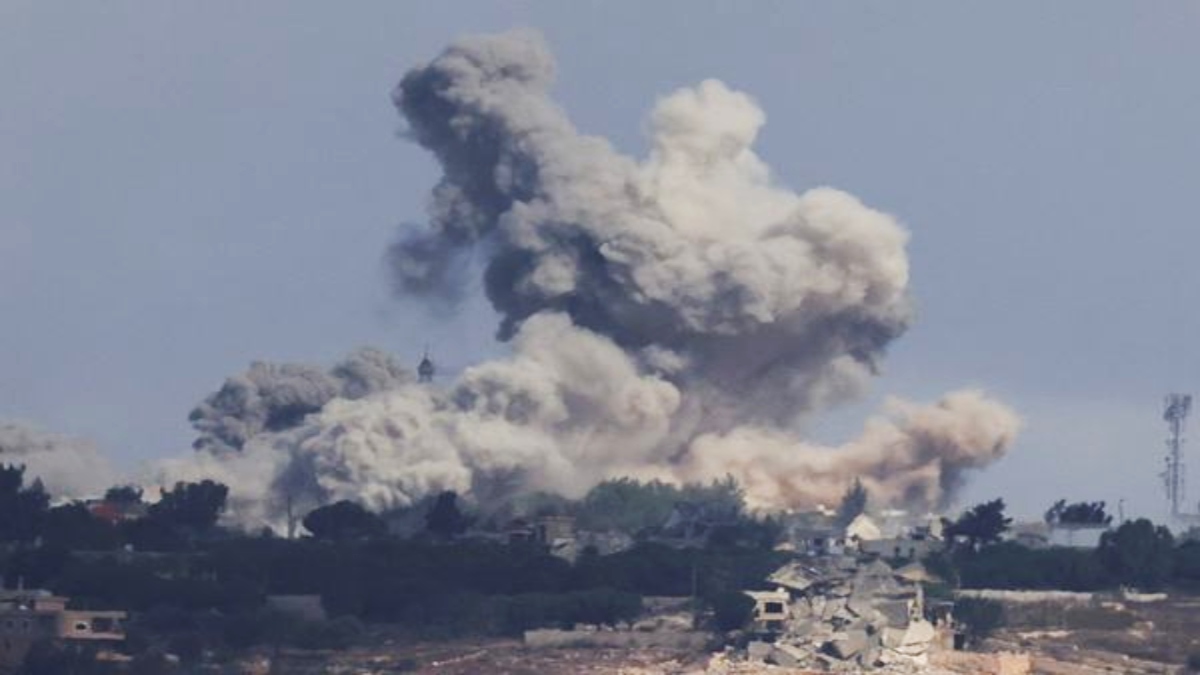
Why Tensions Between Israel and Iran Are Escalating Now
Historical backdrop: more than a backyard feud
For anyone who thinks the clash is a flash‑in‑the‑pan, a quick look at the past tells a different story. Since the 1979 Iranian Revolution, Tehran has repeatedly voiced opposition to Israel’s existence, while Jerusalem views Iran’s regional ambitions as an existential threat. Those rhetorical sparring matches turned into proxy wars in Lebanon, Gaza and Syria, where each side backs rival militias.
That legacy matters because it colors every diplomatic exchange, every intelligence report, and every public statement. The conflict isn’t just about borders; it’s about legitimacy, ideology, and the struggle for influence across the Middle East.
What sparked the latest flare‑up?
In early 2024, a series of incidents pushed the already volatile relationship over the edge. First, Israeli drones were shot down over Syrian airspace that Iran‑backed forces control. Iran responded with a missile barrage aimed at Israeli positions in the Golan Heights, a move that was quickly labeled “retaliation” by Tehran’s foreign ministry.
At the same time, a high‑profile cyber‑espionage campaign traced back to Iranian hackers targeted Israel’s water infrastructure. Though the attack was thwarted before causing damage, it highlighted a new front in the rivalry—digital warfare.
Strategic calculations on both sides
Israel’s leadership sees a growing Iranian presence in Syria and Lebanon as a direct line of attack toward its northern border. The deployment of advanced surface‑to‑air systems and ballistic missiles by Iran’s Revolutionary Guard Corps (IRGC) forces forces Jerusalem to consider pre‑emptive strikes or at least a heightened alert posture.
Iran, on the other hand, views its involvement in Syria as a way to maintain a foothold against what it calls “Israeli aggression.” By supporting Hezbollah and other militias, Tehran hopes to keep Israel occupied on multiple fronts, buying time to develop its own missile capabilities.
International reactions: a tangled web
- United States: Washington has reaffirmed its “unwavering” support for Israel, warning Iran of “severe consequences” if the missile exchange escalates.
- European Union: EU diplomats have called for restraint, emphasizing that any broader conflict would jeopardize energy markets already strained by the war in Ukraine.
- Russia and China: Both have offered diplomatic channels to de‑escalate, though each quietly supplies arms to one side or the other, complicating the picture.
How the civilian populations are feeling the strain
In Israel’s northern towns, the siren test that once seemed like a drill now triggers genuine anxiety. Schools have updated emergency protocols, and many families keep “storm shelters” stocked with supplies. Across the border, Iranian citizens watch the news with a mix of pride and fear, aware that any Israeli retaliation could bring more sanctions that already choke their economy.
The human side often gets lost amid missile counts and diplomatic statements, yet it’s the families in Sderot, the shopkeepers in Tehran’s bazaar, and the medics in Gaza who bear the day‑to‑day consequences of a geopolitical chess game.
What could a wider conflict look like?
Analysts warn that a full‑scale exchange could trigger a regional cascade. A successful Israeli strike on Iranian assets in Syria might prompt Tehran to fire longer‑range missiles toward Israeli cities. That, in turn, could draw NATO allies into the fray under existing security agreements.
Moreover, the cyber dimension adds unpredictability. A successful breach of Israel’s critical infrastructure could cripple power grids, while a retaliatory Iranian hack could disrupt global banking systems that rely on Israeli fintech firms.
Possible paths to de‑escalation
Diplomacy still has a foothold, albeit a precarious one. Back‑channel talks facilitated by neutral states—perhaps Oman or Switzerland—could pave the way for a temporary cease‑fire. Confidence‑building measures, like mutual agreements not to target civilian infrastructure, might reduce immediate risk.
Another avenue lies in broader regional frameworks. The Abraham Accords, which normalized ties between Israel and several Arab states, could be leveraged to include Iran in a multilateral security dialogue. That would be a long shot, but history shows that yesterday’s adversaries sometimes become today’s partners when the stakes are high enough.
What you can watch for in the coming weeks
First, monitor statements from the Israeli Defense Forces (IDF) and Iran’s IRGC. Shifts in tone often precede operational changes. Second, keep an eye on satellite imagery of key sites in Syria and Lebanon; movement of missile batteries can be a reliable indicator of intent.
Finally, watch the diplomatic dance in the United Nations Security Council. Even a symbolic vote or a resignation of a member can signal how the great powers are positioning themselves, which in turn influences the calculations of both Tel Aviv and Tehran.