How Finland’s NATO Membership Changes Europe’s Security
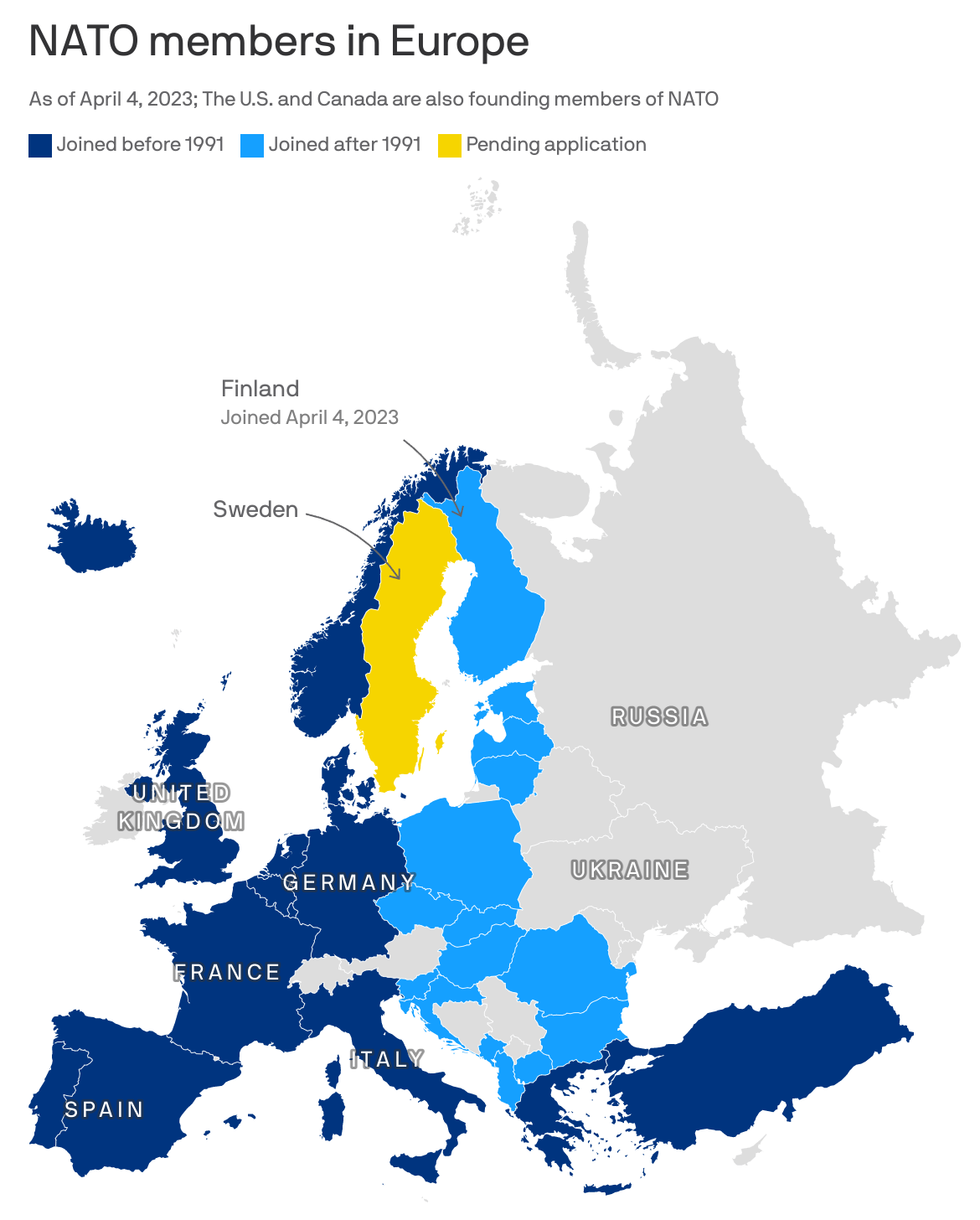
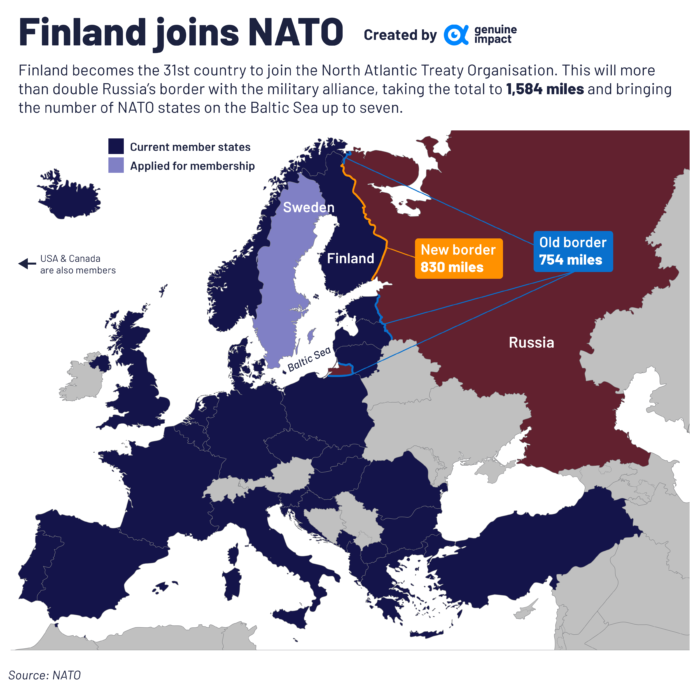
When Finland finally signed the North Atlantic Treaty in April 2023, the decision sent a ripple through the continent. For a nation that had spent decades on the fence—officially non‑aligned but quietly cooperating with the alliance—the move felt both inevitable and transformative. The implications stretch far beyond the Finnish borders, touching on deterrence, defence spending, and the political calculus of neighbouring states.
Why Finland’s Shift Matters
Finland’s geopolitics have always been shaped by its long, sparsely populated frontier with Russia. The country built a robust “total defence” model that mixes regular forces, reservists, and civilian preparedness. Joining NATO does not replace that system; it layers it with the collective security guarantees of Article 5.
- Enhanced deterrence: An attack on Finland now triggers a response from the entire alliance, complicating any hostile calculus.
- Strategic depth for NATO: The alliance gains a new, well‑trained force that can operate in the challenging Arctic and Baltic environments.
- Signal to the region: Other non‑aligned states watch closely, weighing the balance between sovereignty and security guarantees.
What It Means for the Baltic States
Estonia, Latvia and Lithuania have long viewed a strong Finnish partnership as a security buffer. With Finland now a full NATO member, the Baltic “three” can count on a reliable northern ally that contributes naval patrols in the Gulf of Finland and air defence assets capable of covering the eastern approaches.
In practical terms, joint exercises have already intensified. The Cold Response drills this summer saw Finnish troops integrate seamlessly with American and Norwegian units, testing rapid deployment of air‑defence missiles across the Baltic Sea. Such interoperability reduces the time lag that historically plagued multinational operations.
Russia’s Response: A Calculated Re‑Adjustment
Russia’s official statements describe the accession as a “provocation” that threatens regional stability. Yet, the Kremlin’s actions have been more measured than some analysts expected. Rather than a sweeping military buildup on the border, Moscow has focused on reinforcing its own Arctic capabilities and launching diplomatic “information campaigns” aimed at the Finnish public.
One subtle shift is the increased presence of Russian electronic‑surveillance aircraft near Finnish airspace. While not overtly hostile, these flights underline a renewed focus on intelligence‑gathering, likely intended to gauge how quickly Finland can tap into NATO’s command‑and‑control networks.
Economic and Political Ripple Effects
Beyond the battlefield, Finland’s NATO entry reshapes the economic landscape. Defence contracts have surged, with Finnish firms now eligible for NATO‑wide procurement programmes. This opens doors for domestic companies to supply everything from communication systems to winter‑capable vehicles.
Politically, the move strengthens the voice of the Nordic bloc within the alliance. Norway, Sweden and Denmark now form a more cohesive front on issues such as cyber‑defence standards and Arctic governance. The result is a subtle but tangible shift in NATO’s internal power dynamics, giving the North‑European members greater leverage in agenda‑setting.
Challenges Ahead
Integration is not automatic. Finland must align its command structures, legal frameworks and procurement processes with NATO standards—a task that will take years and considerable resources. Additionally, the country faces the delicate task of managing domestic opinion; while polls show strong support for membership, a vocal minority worries about becoming entangled in broader great‑power confrontations.
Another practical hurdle is the need for additional infrastructure. Existing bases, particularly those near the eastern border, will require upgrades to accommodate NATO’s larger aircraft and ammunition stocks. Funding these projects while keeping defence budgets balanced will test Finland’s fiscal discipline.
Broader European Security Landscape
Finland’s NATO membership could act as a catalyst for other neutral European nations. Switzerland, for instance, continues to observe the Finnish experience with a mix of curiosity and caution. The lesson appears to be that security guarantees do not automatically erode sovereignty; rather, they can complement a nation’s own defence ethos.
At the same time, the alliance itself is undergoing a subtle transformation. With the addition of a country that brings both advanced technology and a deep commitment to total defence, NATO’s strategic concepts are evolving to better address hybrid threats, climate‑driven security challenges, and the intricacies of Arctic operations.
Looking Forward
In the years to come, the true impact of Finland’s NATO accession will unfold on multiple fronts: through joint training exercises, through the quiet work of aligning regulations, and through the political conversation it sparks across Europe. What is clear is that the balance of power in the north has been nudged, and that shift will shape diplomatic and military calculations for the foreseeable future.