How Iran and Russia Shape Global Politics: A Detailed Comparison
When you hear the names Iran and Russia together, you probably picture a complex web of alliances, rivalries, and strategic calculations. Both nations sit at the crossroads of regional ambitions and great‑power competition, yet their histories, economies, and diplomatic tools differ enough to make any direct comparison a nuanced exercise. Below we break down the key dimensions—history, economy, military, and foreign policy—that define how Iran and Russia interact on the world stage.
Historical Roots of the Modern Relationship
The ties between Tehran and Moscow are anything but new. In the 19th century, the two empires shared a mutual suspicion of British and Ottoman encroachment. Fast‑forward to the Cold War, and Iran became a frontline state against Soviet expansion, a stance that flipped dramatically after the 1979 Islamic Revolution.
Since then, the countries have found common cause in resisting what they view as Western hegemony, but they have also clashed over geopolitical interests in places like the Caucasus, Central Asia, and the Middle East. This push‑and‑pull dynamic means that cooperation is often pragmatic, not ideological.
Economic Foundations and Constraints
Both economies rely heavily on natural resources, but the composition and global integration differ sharply.
- Iran: Oil and natural gas dominate, accounting for roughly 80 % of export revenue. Sanctions have forced Tehran to develop a parallel domestic banking system and to seek alternative trade partners, especially in Asia.
- Russia: While energy (oil, gas, and coal) remains central, the country also possesses a sizeable industrial base—defence, aerospace, and heavy machinery—that fuels its export portfolio.
Sanctions impact the two in distinct ways. Iran faces a broader set of financial restrictions that limit its ability to engage with the global banking system, whereas Russia’s sanctions are more targeted at specific sectors and individuals, reflecting its larger integration into global markets before 2022.
Trade Channels That Matter
In recent years, Iran has turned to China, India, and Turkey for energy exports, often using barter or currency swaps to sidestep the dollar‑based system. Russia, meanwhile, leans on its traditional European customers for gas, while expanding sales to India and Turkey after European demand fell.
Military Capabilities and Defense Cooperation
Both nations invest heavily in military strength, yet they approach force projection differently.
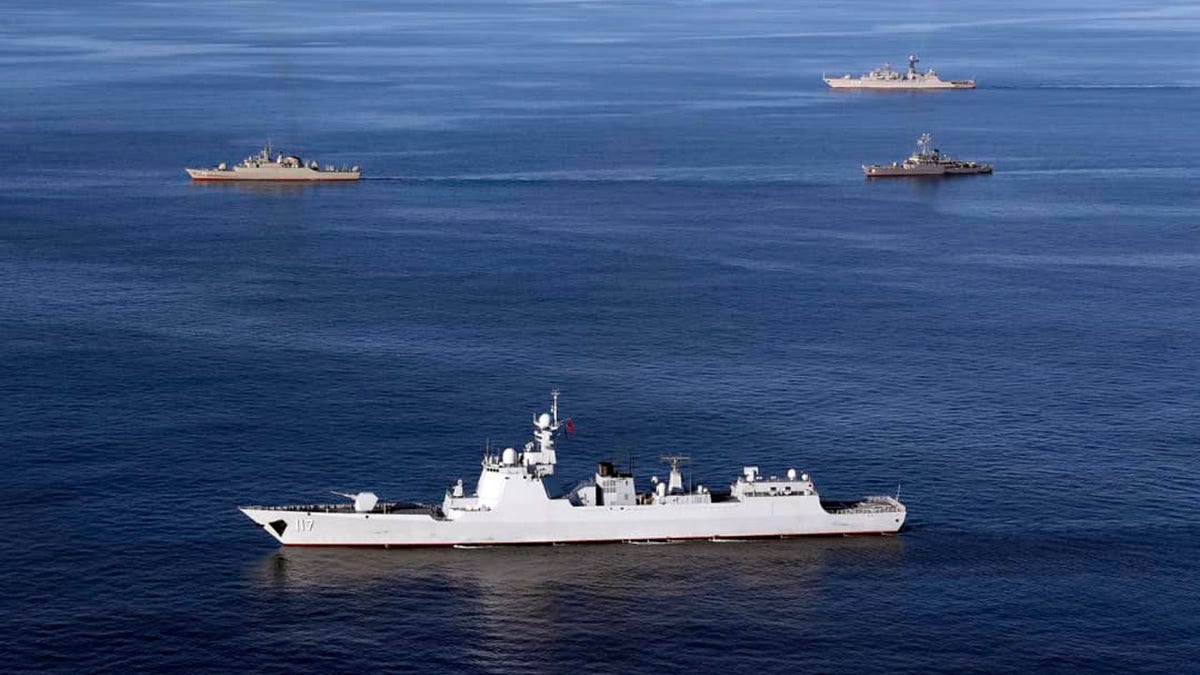
Iran relies on asymmetric warfare—proxy groups, ballistic missiles, and a robust naval presence in the Persian Gulf. Its strategy is to deter larger powers through a network of regional allies and a credible missile threat.
Russia, by contrast, boasts a conventional force comparable to that of a mid‑size NATO member, complete with nuclear arsenals, advanced air‑defense systems, and a modernised navy capable of operating far from its own shores. This gives Moscow a broader set of options for direct intervention.
Areas of Defense Collaboration
- Joint development of missile technology, with Iranian engineers gaining access to Russian expertise.
- Training programs for Iranian officers at Russian military academies.
- Sale of Russian air‑defence systems (e.g., S‑300) to Iran, enhancing Tehran’s ability to counter regional air threats.
These exchanges are pragmatic; both sides benefit from technology sharing while keeping the partnership low‑key enough to avoid triggering additional sanctions.
Foreign Policy Objectives: Overlap and Divergence
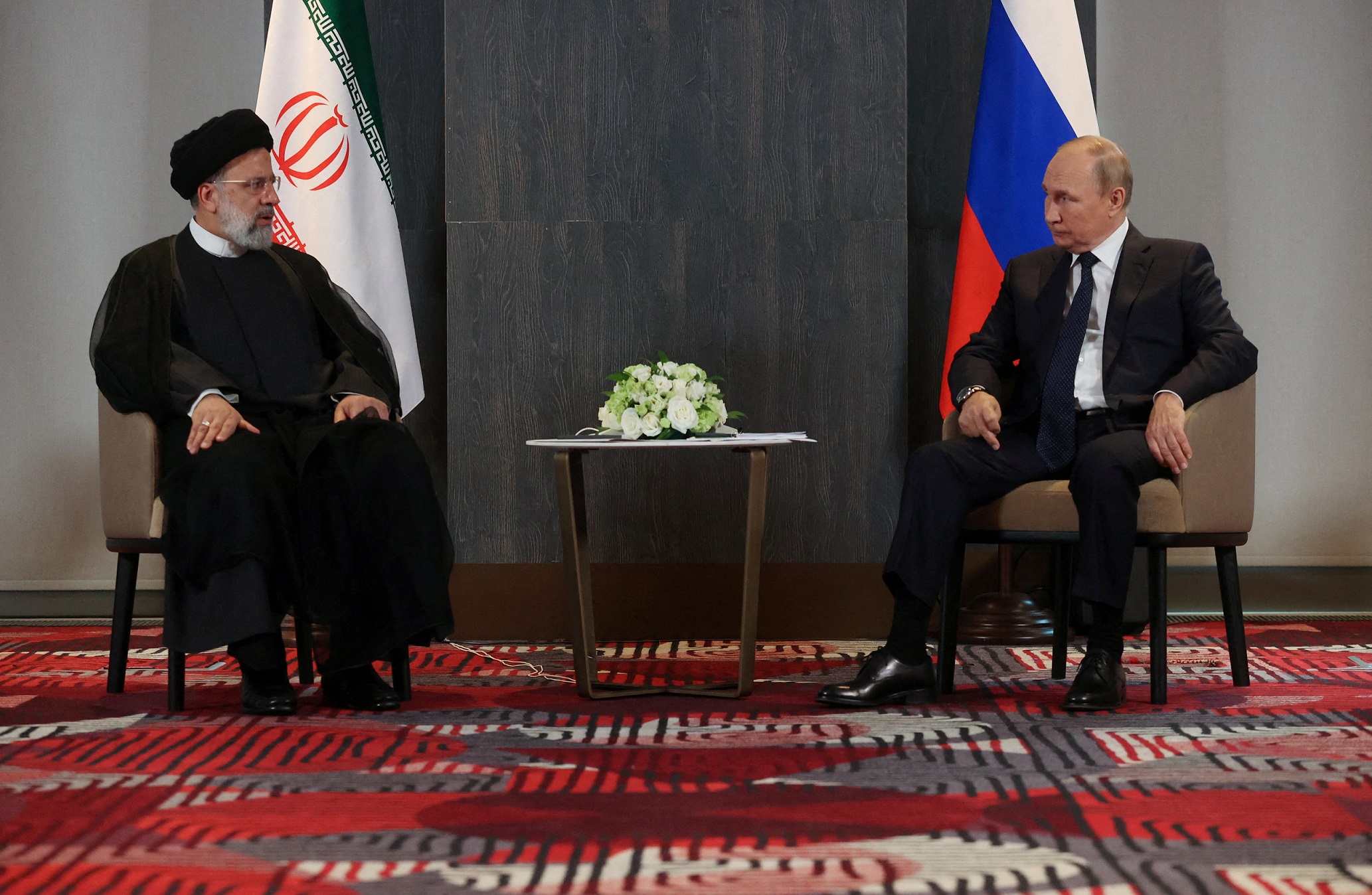
On the diplomatic front, Iran and Russia often find themselves on the same side of UN votes—especially when confronting sanctions or interventions led by the United States and its allies. Yet they do not always march in lockstep.
For example, in the Syrian conflict, both supplied the Assad regime with air power and ground forces, but Russia’s primary goal was to secure a Mediterranean foothold, while Iran aimed to preserve a Shia axis from Tehran to Beirut. This subtle difference sometimes leads to disagreements over the pace and scope of military operations.
Key Regional Flashpoints
- Middle East: Cooperation in Syria and Iraq versus competition for influence in Lebanon and Yemen.
- Caucasus: Russian security guarantees in Armenia and Georgia contrast with Iran’s attempts to cultivate ties with Armenian diaspora communities.
- Central Asia: Both seek to counterbalance Chinese economic dominance, yet Russia remains the predominant security partner for former Soviet republics.
Strategic Outlook: What Lies Ahead?
Predicting the trajectory of Iran‑Russia relations involves weighing several factors:
- Sanctions pressure: Intensifying Western measures could push the two closer together, as they seek to share resources and technical know‑how.
- Domestic politics: Leadership changes in Tehran or Moscow might shift priorities—hardliners in Iran or a more cautious Russian foreign ministry could dampen cooperation.
- External competition: China’s growing presence in both regions may force Iran and Russia to recalibrate their partnership to avoid being sidelined.
In sum, the Iran‑Russia dynamic is a blend of shared interests and pragmatic rivalry. Understanding the nuances—from energy trade to military collaboration—helps clarify why these two seemingly divergent powers continue to find common ground, even as the global landscape evolves around them.