How To Find And Write To Male Prison Pen Pals Safely
There’s a quiet world of handwritten notes that most of us never see, tucked behind bars and tucked inside envelopes. For many men behind those walls, a pen pal isn’t just a hobby—it’s a lifeline, a chance to feel heard and to share a slice of life beyond concrete walls. If you’ve ever wondered how to become part of that exchange, you’re in the right place. Below, we walk through the steps, the etiquette, and the subtle art of writing to a male inmate.
Why Write to Male Prison Pen Pals?
The motivations are as varied as the people who take up the practice. Some seekers crave a glimpse into an often‑misunderstood world, while others simply enjoy the reflective pause that comes with slow, thoughtful correspondence. A few key reasons stand out:
- Human connection: A letter can break isolation and remind both parties that someone cares.
- Learning opportunity: Hearing personal stories can challenge stereotypes and broaden perspectives.
- Personal growth: Taking the time to listen and respond nurtures empathy and patience.
None of these reasons require a grand declaration; most pen pals start with a simple “Hello, would you like to write?” and let the conversation unfold.
Getting Started: Where To Look
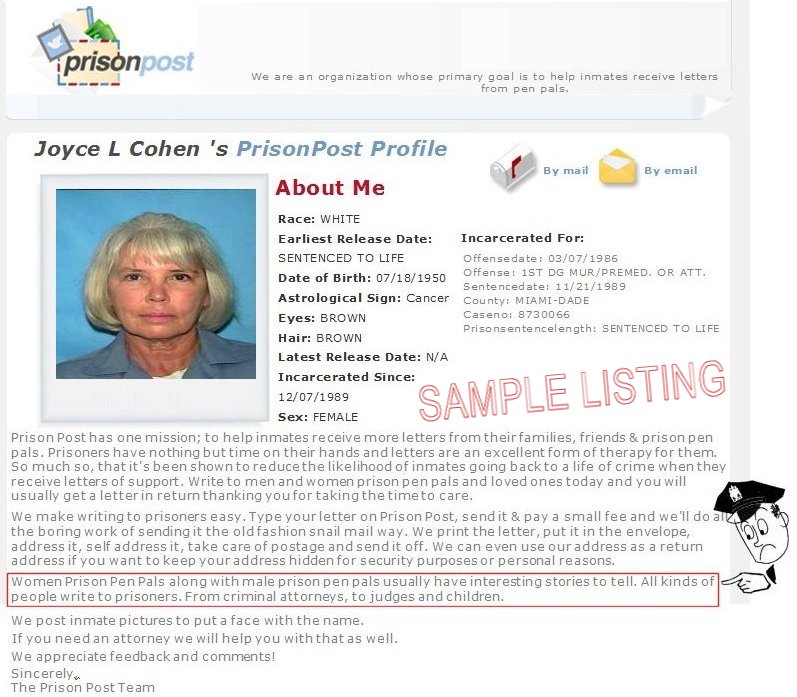
Finding a willing correspondent isn’t a matter of random guessing. Several organizations and online platforms have dedicated sections for male inmates seeking pen pals. Here’s a quick guide:
- Official prison outreach programs: Many state departments of corrections publish lists or have a designated email for pen‑pal requests.
- Non‑profit networks: Groups like Pen Pal International or Inmate Correspondence Project vet participants and provide matchmaking services.
- Specialized forums: Certain forums and social media groups focus solely on male prison correspondence. Look for clear rules and verification steps.
Before you sign up, read the platform’s policies carefully. Legitimate services will never ask for money beyond minimal postage, and they’ll protect both parties’ privacy.
Crafting a First Letter
The opening note sets the tone, so a bit of thought goes a long way. Think of it as an invitation to conversation, not an interrogation.
Start with a friendly greeting. “Hi there,” or “Hello,” works fine. Avoid overly formal language; you’re aiming for a comfortable vibe.
Introduce yourself briefly. Share a few simple facts—your name, where you’re from, what you enjoy doing in your spare time. Keep it concise; the goal isn’t to overwhelm with a life story.
Ask open‑ended questions. Something like “What’s a typical day like for you?” invites a response without sounding intrusive.
And remember to proofread. Mistakes can be distracting, but a few quirks add personality. A short, well‑structured letter—about 150‑200 words—often feels just right for the first contact.
Maintaining the Correspondence
Once the exchange begins, consistency matters more than length. Here are a few habits that help keep the dialogue flowing:
- Reply within a reasonable window (usually 2‑4 weeks, depending on mail processing). Delays happen, but showing patience signals respect.
- Balance sharing and asking. Offer a glimpse into your life, then pivot back to their experiences.
- Inject humor when appropriate. A light joke can brighten a day behind bars, as long as it’s respectful.
- Mind the tone. Avoid overly sexual or aggressive language; many prisons have strict content filters.
Occasional postcards, small drawings, or newspaper clippings (if allowed) can add variety, but always check the facility’s mailing rules first.
Safety and Boundaries
Both parties deserve a safe space. Even though the relationship is typically platonic, clear boundaries prevent misunderstandings.
Never share personal identifiers such as full address, social security number, or bank details. A PO box works well for your side, while the inmate can use the prison’s mailing address.
Stay aware of institutional rules. Some prisons prohibit certain topics like politics, religion, or financial advice. If a topic is flagged, pivot gently.
Guard your emotional wellbeing. Reading letters from someone in a high‑stress environment can be intense. If the content feels too heavy, it’s okay to step back or seek support.
Practical Tips for Smooth Mail Exchange
Even the smallest logistics can cause hiccups. Keep these points handy:
- Use sturdy envelopes; thin paper can tear during handling.
- Write legibly. Block letters are easier to read than cursive, especially for officials scanning the mail.
- Include a prepaid return stamp, if the prison allows it, to speed up replies.
- Label the envelope with the inmate’s full name, inmate number, and the facility’s exact address to avoid misdelivery.
Finding Meaning in the Exchange
At its core, pen‑pal correspondence is a modest act of humanity. A single line—“Thanks for sharing your story”—can become a beacon in a bleak routine. Over time, many correspondents report feeling a deeper sense of purpose, while inmates often speak of renewed hope and motivation.
The beauty of this practice lies in its simplicity: a pen, paper, and genuine curiosity. Whether you’re looking to broaden your worldview or simply enjoy the rhythm of handwritten dialogue, reaching out to a male prison pen pal can be an unexpectedly rewarding journey.
![7 Best Pen Pal Sites to Write a Prisoner [2024] | Ryan Hart](https://www.ryanhart.org/img/B220554-HG01.jpg)

![7 Best Pen Pal Sites to Write a Prisoner [2024] | Ryan Hart](https://www.ryanhart.org/img/B220554-HA01.jpg)
