How Justin.tv Shaped Modern Live Streaming Platforms
When you click “go live” on a Twitch or YouTube channel today, you’re standing on a foundation that was literally built in a college dorm room over a decade ago. Justin.tv wasn’t just another website; it was the first real attempt to let anyone broadcast video to the world with a few clicks. Looking back, the story feels both simple and wildly ambitious.
The Birth of a Backyard Experiment
In 2007, a college student named Justin Kan decided to broadcast his everyday life—eating, sleeping, even brushing his teeth—from a webcam strapped to his ceiling. He called the project “Justin.tv” and streamed it 24/7. What began as a quirky personal vlog quickly attracted curious strangers who wanted to peek into his routine.
Within weeks, the traffic surged. People weren’t just watching; they started commenting in real time, asking questions about his coffee, his sleep schedule, even his choice of socks. That interaction sparked the first hint of what live streaming could become: a two‑way conversation, not a one‑way broadcast.
From Personal Feed to Open Platform
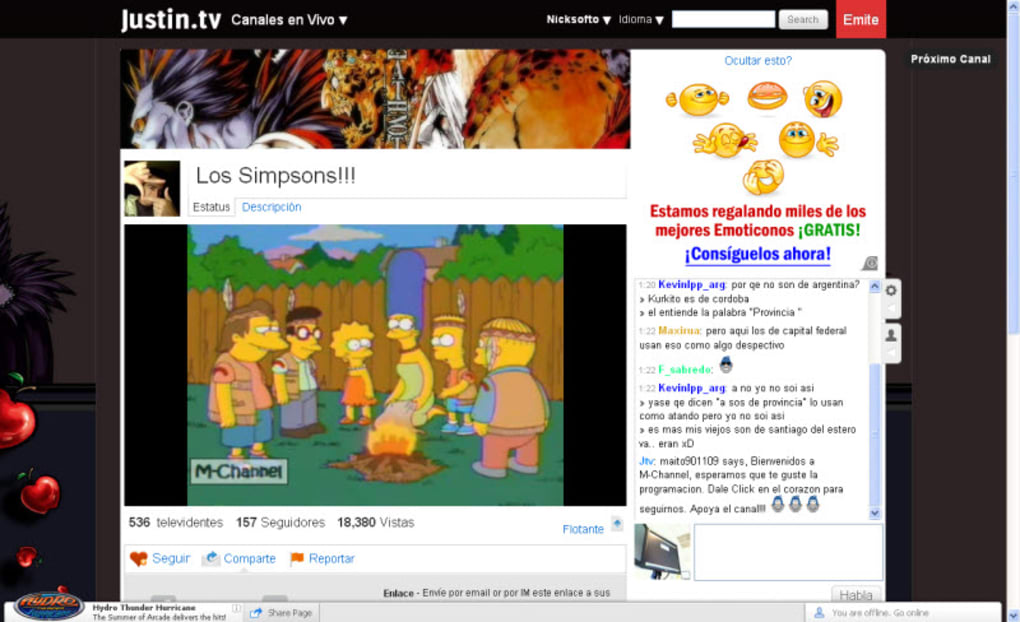
Realizing the demand, Kan and his co‑founders expanded the service beyond his own channel. By late 2007, anyone could sign up and stream live video of anything they chose—gaming, music, cooking, you name it. The platform introduced a few core tools that feel familiar today:
- Live Chat: Viewers could type messages that appeared instantly on screen.
- Embedding: Streamers could place their live feed on blogs or personal websites.
- Monetization: Simple “tip jars” let fans send cash directly to broadcasters.
These features were modest, but they laid the groundwork for the more sophisticated ecosystems we see now. The team was essentially writing the user‑experience handbook as they went.
Pioneering Features and Early Hacks
Technology was far from perfect. Bandwidth was expensive, and the average home internet connection struggled with consistent video quality. The developers resorted to creative shortcuts:
- They used the Flash player, the web’s workhorse at the time, to bypass the need for separate video software.
- Server loads were balanced manually—sometimes a developer would reboot a server in the middle of a night to keep a popular stream online.
- Community moderation relied on volunteers; no AI‑driven filters existed yet.
These rough edges gave Justin.tv a DIY charm. Streamers often shared tips in forums about lighting, microphone placement, and even how to keep a webcam from overheating during marathon sessions.
Challenges, Controversies, and Growing Pains
With rapid growth came inevitable problems. The open nature of the platform attracted not only hobbyists but also people seeking to push boundaries—some broadcast illegal content, others simply spouted hate. Moderation was a headache, and legal battles over copyright footage cropped up regularly.
One notable incident involved a streamer who aired a concert without permission. The resulting takedown notice forced Justin.tv to develop a more robust DMCA response system. It was a painful lesson, but it also nudged the company toward stricter policies that later became industry standards.
Financially, the venture was a rollercoaster. Advertising revenue fluctuated, and investors demanded faster user growth. The founders responded by acquiring a small gaming community site, Ustream, and eventually pivoted heavily toward gaming content—a decision that would reshape the entire live‑streaming landscape.
The Birth of Twitch and the End of Justin.tv
In 2011, the team spun off the gaming‑focused section of Justin.tv into a new brand: Twitch. The name caught on like wildfire among esports fans, and within a year Twitch eclipsed its parent site in traffic and revenue. By 2014, the original Justin.tv shut down, its users gently nudged toward Twitch’s larger community.
Amazon’s later acquisition of Twitch for nearly a billion dollars made headlines, but the roots of that deal trace directly back to the early experiments on Justin.tv. The simple idea of “anyone can broadcast anything” proved fertile ground for a multi‑billion‑dollar industry.
Legacy: What Modern Streamers Still Borrow
The influence of Justin.tv is easy to miss if you only look at today’s polished dashboards. Yet many of the core concepts remain:
- Live interaction: Real‑time chat is still the heartbeat of streaming.
- Community support: Patreons, bits, and donation buttons echo the original tip jars.
- Accessibility: The barrier to entry is low—just a webcam, a microphone, and an internet connection.
Even the culture of “just streaming for fun” lives on. New creators often credit the early days of Justin.tv as inspiration, pointing to the platform’s willingness to experiment without corporate red tape.
Takeaways for the Next Generation
If you’re thinking about launching a streaming channel, consider these lessons from the pioneer:
- Start simple. A clear, authentic voice beats high production value when you’re just beginning.
- Engage directly. Respond to chat, ask questions, make viewers feel part of the experience.
- Plan for growth. As audience size expands, you’ll need better moderation tools and reliable infrastructure.
- Stay adaptable. The internet evolves fast; being willing to pivot—like Justin.tv did with gaming—can be the difference between staying niche and breaking out.
In the grand arc from a single webcam to a global esports powerhouse, Justin.tv remains a fascinating footnote and, more importantly, a vital chapter. Its legacy reminds us that the biggest innovations often start with a simple, daring idea—and a willingness to broadcast it to the world.