How the SEC and FASB Define Their Roles in Financial Reporting
When you glance at a company’s annual report, you’re really seeing the combined work of two powerful bodies: the Securities and Exchange Commission (SEC) and the Financial Accounting Standards Board (FASB). Both shape what numbers appear on the balance sheet, but they do so from different angles. Understanding who does what can demystify the financial statements you rely on.
The SEC: Guardian of Investor Confidence
The SEC is a U.S. federal agency founded in the wake of the 1929 crash. Its mission—protecting investors, maintaining fair markets, and facilitating capital formation—guides every regulatory action.
Main responsibilities:
- Enforcement: Policing disclosures, investigating fraud, and imposing penalties.
- Rulemaking: Issuing regulations that tell companies how to present information to the public.
- Oversight of auditors: Monitoring the audit profession through the Public Company Accounting Oversight Board (PCAOB).
In practice, the SEC doesn’t write the accounting standards themselves; instead, it reviews and sometimes nudges them to ensure transparency and comparability.
The FASB: Architect of Accounting Principles
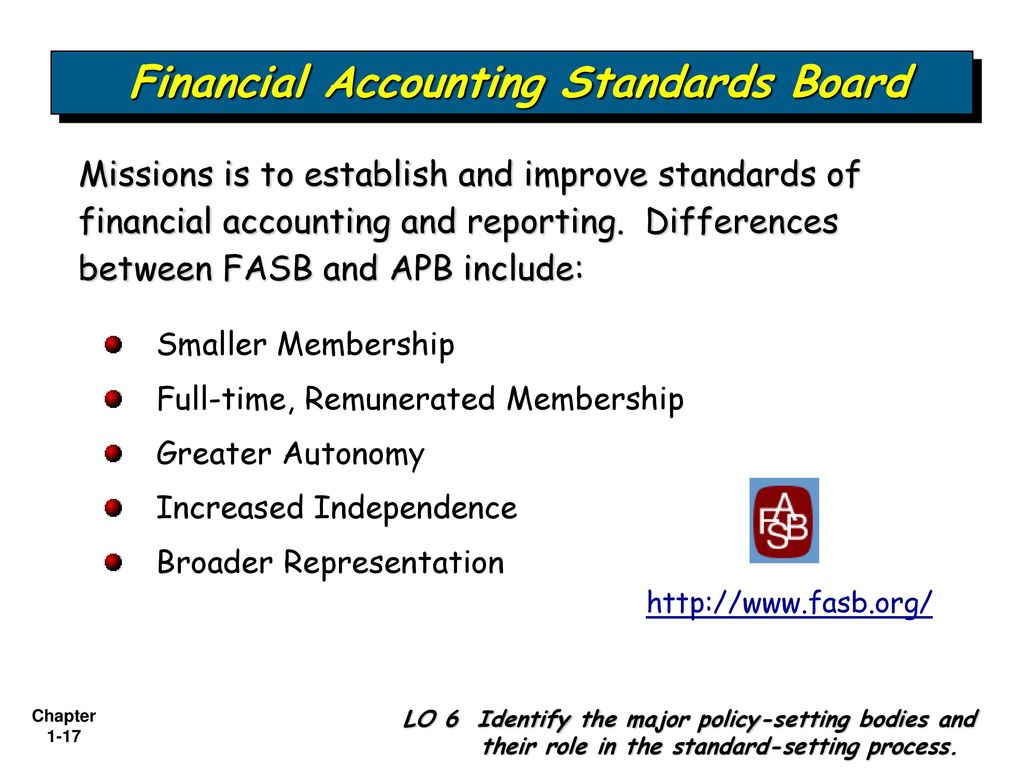
Founded in 1973, the FASB is a private, nonprofit organization tasked with developing Generally Accepted Accounting Principles (GAAP) for U.S. entities. While it operates independently of the government, its standards become enforceable once the SEC adopts them.
Key functions:
- Research emerging business practices and assess their impact on financial reporting.
- Draft, test, and issue accounting standards that reflect a consensus among stakeholders.
- Maintain a due‑process framework that includes public comment periods and exposure drafts.
The FASB’s work is technical, focusing on the “how” of measurement, recognition, and disclosure. Its pronouncements range from broad concepts—like revenue recognition—to niche topics, such as lease accounting.
How the Two Bodies Interact
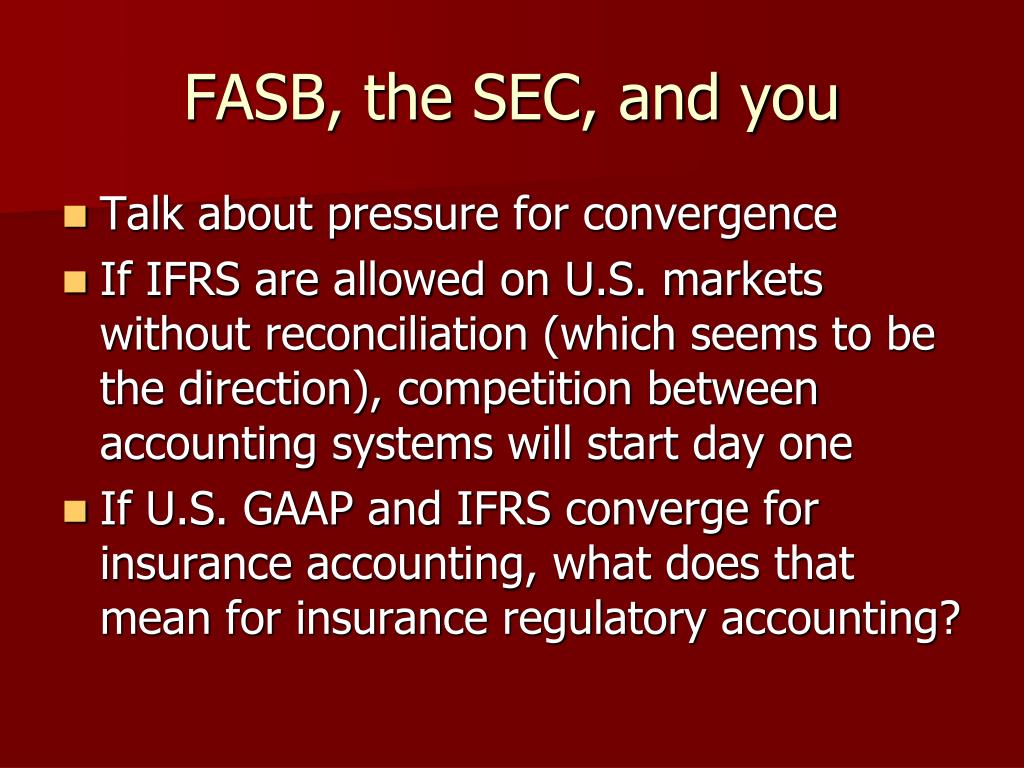
Think of the SEC as the “gatekeeper” and the FASB as the “craftsman.” After the FASB releases a new standard, the SEC reviews it for consistency with its own rules, notably Regulation S‑X, which dictates the form and content of financial statements. If the SEC finds gaps, it may issue interpretive guidance or request revisions.
Occasionally, the SEC steps in before a standard is finalized. For example, during the 2008 financial crisis, the SEC accelerated certain reporting requirements to address market turbulence.
When Conflict Arises
Rarely, the SEC may deem a FASB standard insufficient for investor protection. In such cases, the SEC can issue “no‑action” letters—essentially saying it won’t enforce the standard until adjustments are made. This dynamic keeps both entities accountable.
Why It Matters to Investors and Companies
For investors, the SEC‑FASB partnership aims to deliver reliable, comparable data—crucial for making informed decisions. For companies, knowing which body to approach for a particular issue can save time and resources.
Consider these practical takeaways:
- Disclosure doubts? Start with SEC guidance, especially Reg S‑X.
- Technical accounting questions? Look to FASB’s Accounting Standards Codification.
- Regulatory uncertainty? Review recent SEC staff releases that often interpret new FASB rules.
In short, while the SEC watches the bigger picture of market integrity, the FASB hones the details of how financial performance is recorded. Their complementary roles create the sturdy framework behind every publicly filed report.