How Labrador Green Energy Boosts Sustainability in the Philippines
When you think of renewable power in Southeast Asia, towering solar farms and wind turbines often dominate the picture. Yet a quieter, yet equally impactful player is making waves: Labrador Green Energy. Founded with the aim of integrating clean technology into everyday life, the company has woven itself into the fabric of the Philippines’ push toward a greener future.
Why the Philippines Needs a Fresh Energy Approach
The archipelago’s energy demand has surged over the past decade, fueled by rapid urbanisation and a booming tourism sector. Traditional fossil‑fuel plants, while reliable, contribute heavily to air pollution and carbon emissions. Moreover, many remote islands still rely on diesel generators, a costly and environmentally taxing solution.
In this context, Labrador Green Energy’s portfolio—ranging from solar photovoltaics to biogas plants—offers a pragmatic alternative. By tailoring projects to local conditions, they address both the supply gap and the sustainability agenda.
Key Projects Shaping the Landscape
Solar Micro‑Grids for Rural Communities
One of the most visible successes is the deployment of solar micro‑grids in Mindanao’s highland villages. Each system typically includes:
- 30‑kilowatt solar panels mounted on community centres
- Battery storage capable of delivering power through cloudy periods
- A simple, user‑friendly control unit that locals can maintain
Residents report fewer blackouts and a noticeable drop in household fuel expenses. The model also encourages local entrepreneurship; some villages now operate small charging stations for phones and electric scooters.
Biogas Plants Linking Agriculture and Power
Another niche where Labrador shines is in converting agricultural waste into usable energy. In the province of Laguna, a 5‑megawatt biogas facility processes rice husks and coconut shells, producing both electricity and organic fertilizer.
The dual output creates a virtuous cycle: farms receive nutrient‑rich compost, while the grid gains a steady supply of clean power. It’s a win‑win that aligns with the government’s “green agriculture” push.
Hybrid Solar‑Wind Solutions for Coastal Areas
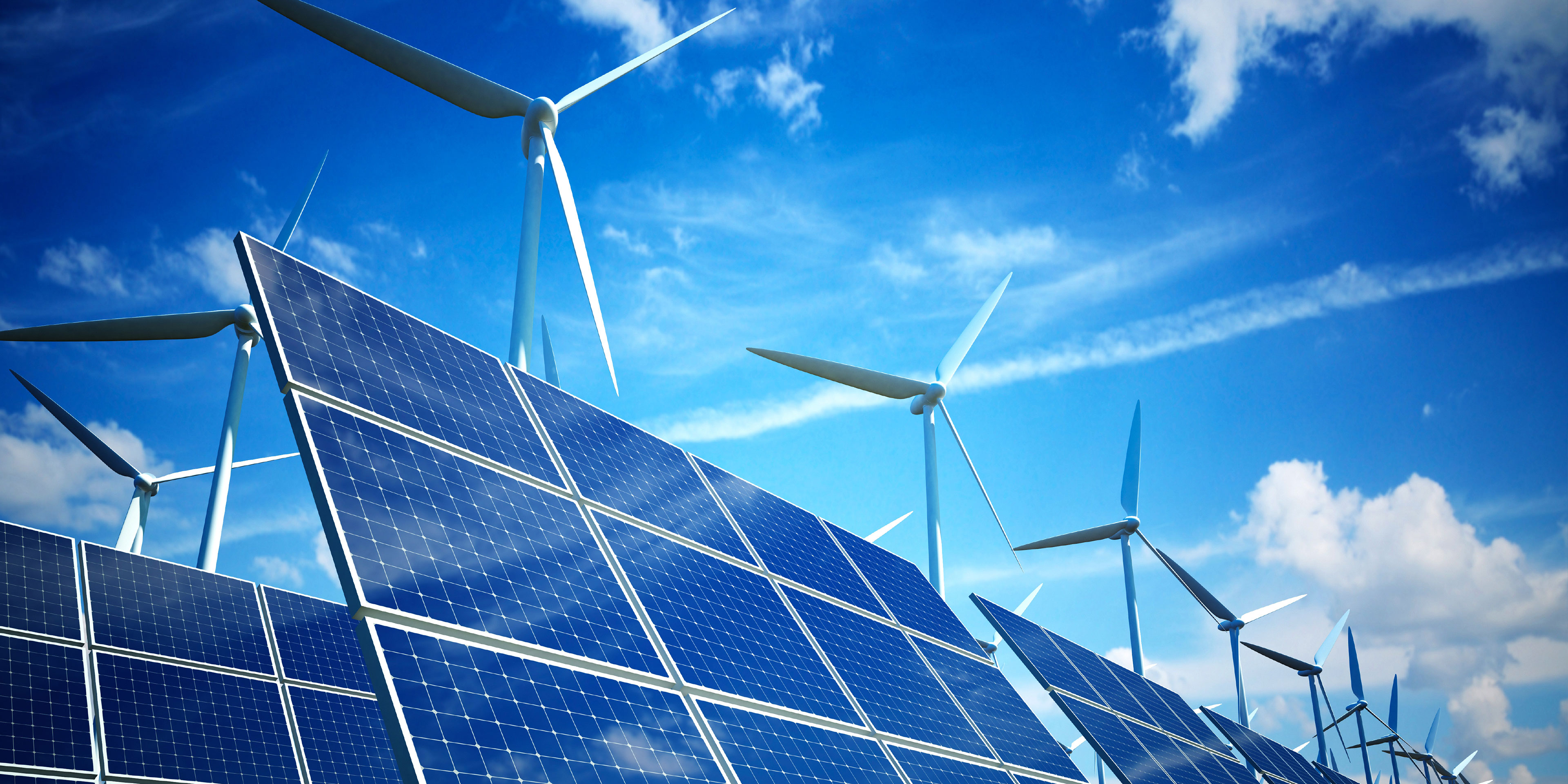
Coastal municipalities face a unique challenge—strong sea breezes and intermittent sunshine. To tackle this, Labrador installed hybrid systems that blend solar panels with compact wind turbines. The result is a more balanced generation profile, reducing reliance on any single source.
Early data from a pilot in Palawan shows a 20 % increase in overall capacity factor compared to stand‑alone solar installations.
Benefits Beyond the Grid
While the headline numbers—megawatts produced, carbon saved—are impressive, the real impact trickles down to people’s lives.
- Economic uplift: Lower energy bills free up household income for education and health.
- Job creation: Installation and maintenance crews are often sourced locally, fostering skill development.
- Resilience: Decentralised power reduces the risk of widespread outages during natural disasters.
These outcomes resonate with the Philippines’ broader development goals, which stress inclusive growth and climate resilience.
Challenges that Still Need Attention
No transformation is without hurdles. Funding remains a primary obstacle; while international donors are interested, securing long‑term financing for remote projects can be arduous. Additionally, bureaucratic red tape sometimes slows permitting processes.
There is also an educational component. Some communities initially hesitate to adopt new technology, fearing maintenance complexities. Labrador mitigates this by running hands‑on workshops, yet scaling such outreach across thousands of islands is a monumental task.
Looking Ahead: What’s Next for Labrador Green Energy?
The company has outlined three strategic directions for the coming years:
- Expanding hybrid renewable parks in Visayas, leveraging both solar and offshore wind potentials.
- Partnering with universities to create research hubs focused on tropical‑climate energy storage.
- Launching a “green credit” program that rewards households for excess energy fed back into the grid.
If these plans materialise, the Philippines could see a measurable shift from a fossil‑fuel‑heavy mix to a diversified, low‑carbon portfolio—something policymakers have long advocated but struggled to achieve.
Why It Matters for You
Whether you’re an investor scouting sustainable opportunities, a student curious about renewable engineering, or simply a citizen wanting cleaner air, Labrador Green Energy represents a tangible example of how localized solutions can drive national change. Their blend of technology, community focus, and adaptability offers a blueprint that other emerging markets might follow.
In a world where energy debates often feel abstract, the stories emerging from Filipino villages—lights staying on after sunset, farmers receiving free fertilizer, youths charging electric bikes—bring the concept of sustainability down to a human scale. And that, perhaps, is the most compelling evidence of progress.
.jpg)