How Smart Building Technology Transforms Modern Workspaces
Walking into an office that anticipates your needs feels like stepping into the future. From lighting that brightens when you enter a conference room to HVAC systems that adjust based on real‑time occupancy, smart building technology is reshaping how we design, operate, and experience work environments.
Why the Shift Toward Intelligent Buildings?
It isn’t just about novelty. Companies are chasing three overlapping goals: lower operating costs, heightened employee comfort, and greener footprints. When sensors, cloud analytics, and automated controls converge, they create a feedback loop that keeps energy use in check while keeping occupants satisfied.
Key Drivers
- Rising energy prices push owners to seek more efficient solutions.
- Remote‑work trends demand flexible spaces that adapt to fluctuating occupancy.
- Regulatory pressure around carbon emissions makes sustainability a non‑negotiable.
Core Components of a Smart Building
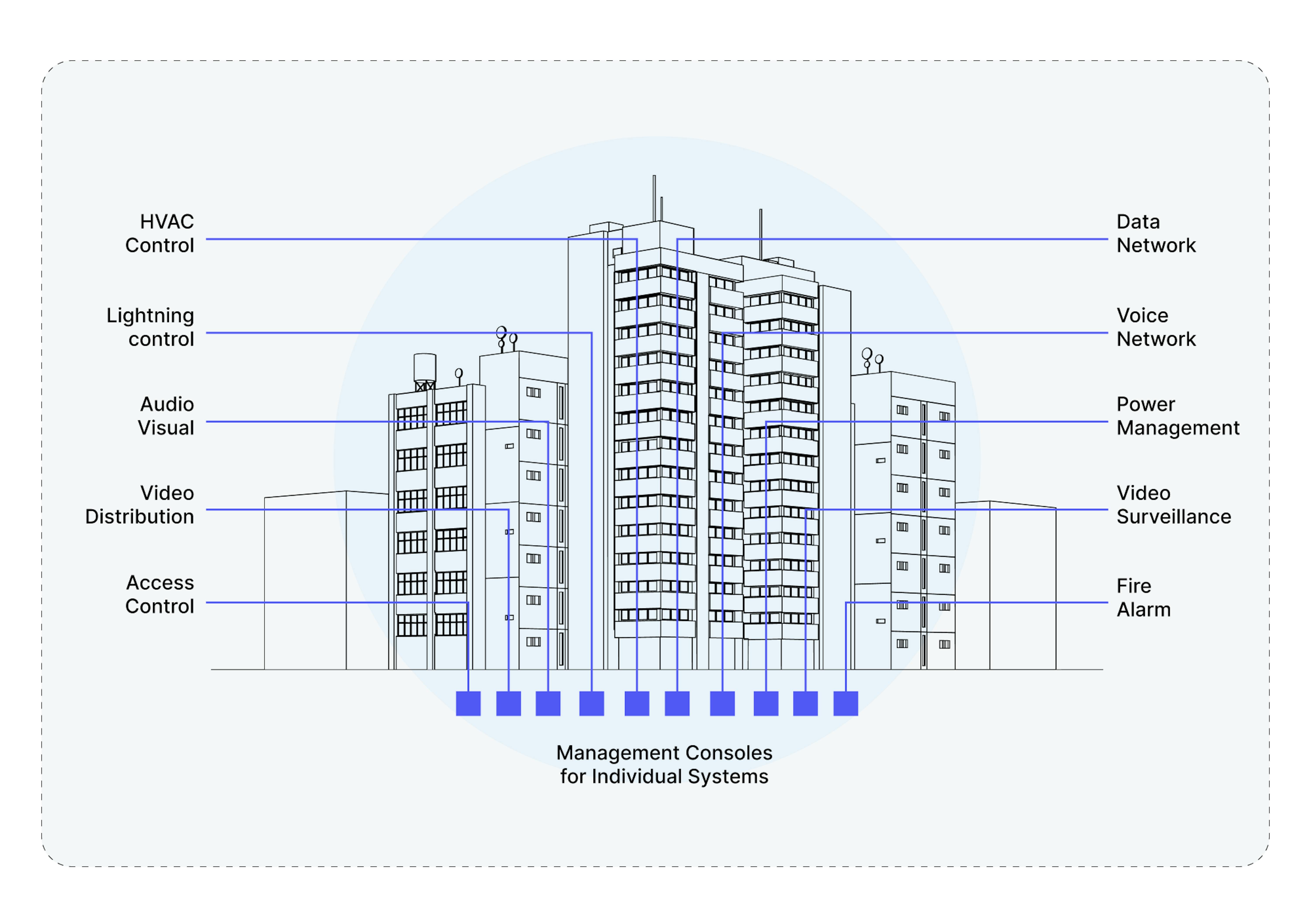
Think of a smart building as an orchestra. Each instrument—sensors, network infrastructure, data platforms—plays its part, and the conductor (the building management system) ensures they stay in sync.
Sensors and Actuators
These tiny devices are the eyes and ears of the building. Motion detectors, temperature probes, CO₂ meters, and light sensors collect data every few seconds. Actuators then act on that data—opening blinds, dimming lights, or tweaking airflow.
Connectivity Backbone
Without a reliable network, the whole system falls apart. Most modern installations rely on a hybrid of Ethernet, Wi‑Fi, and low‑power protocols like Zigbee or LoRaWAN to keep devices talking.
Building Management System (BMS)
The BMS is the brain. Hosted either on‑premise or in the cloud, it aggregates sensor feeds, runs analytics, and issues commands. Modern BMS platforms also integrate with enterprise software, letting facilities managers pull reports alongside asset tracking data.
Practical Benefits You’ll Notice
Beyond the buzzwords, there are tangible outcomes that affect daily life in the office.
- Energy savings of 15‑30 % on average, thanks to demand‑driven lighting and HVAC.
- Improved indoor air quality, which can boost productivity and reduce sick days.
- Personalized environments—workers can adjust desk‑level lighting or temperature via a mobile app.
- Predictive maintenance alerts, preventing costly equipment failures.
Implementing Smart Tech: A Step‑by‑Step Snapshot
Jumping straight into a fully automated building is rarely realistic. Most projects unfold in phases.
1. Assess Current Infrastructure
Map out existing HVAC, lighting, and security systems. Identify gaps where sensors could add value.
2. Define Clear Objectives
Whether it’s cutting energy use by 20 % or improving occupant satisfaction scores, measurable goals keep the project on track.
3. Choose an Open, Scalable Platform
Vendor lock‑in can become a nightmare down the road. Look for BMS solutions that support standard protocols (BACnet, MQTT) and offer APIs for future integration.
4. Pilot in a Single Zone
Roll out sensors and automation in a conference area or a floor. Gather data, fine‑tune algorithms, then expand.
5. Train Staff and Communicate Benefits
Facilities teams need to know how to interpret dashboards, while occupants should understand how to use any interface—be it a wall panel or a smartphone app.
Challenges to Keep in Mind
No technology is a silver bullet. Budget constraints, data privacy concerns, and the learning curve for staff can stall progress. Moreover, integrating legacy equipment often requires adapters or custom interfaces.
One common pitfall is over‑automation—letting the system make every decision without human oversight. The sweet spot is a balanced approach where occupants can override settings when needed.
The Future: What’s Next for Smart Buildings?
Artificial intelligence is already nudging BMS toward predictive optimization. Imagine a system that learns your team’s schedules, weather patterns, and energy tariffs, then pre‑emptively adjusts settings to shave off the next kilowatt‑hour.
Edge computing will also play a bigger role, processing data locally to reduce latency and protect sensitive information. And as 5G rolls out, real‑time video analytics for security and occupancy detection will become more commonplace.
Bottom Line
Smart building technology is less about flashy gadgets and more about creating responsive, efficient, and healthier workspaces. By thoughtfully layering sensors, connectivity, and intelligent control, owners can unlock measurable savings while offering occupants a more comfortable environment. The journey starts with a clear vision, a solid platform, and a willingness to iterate—nothing more exotic than that.