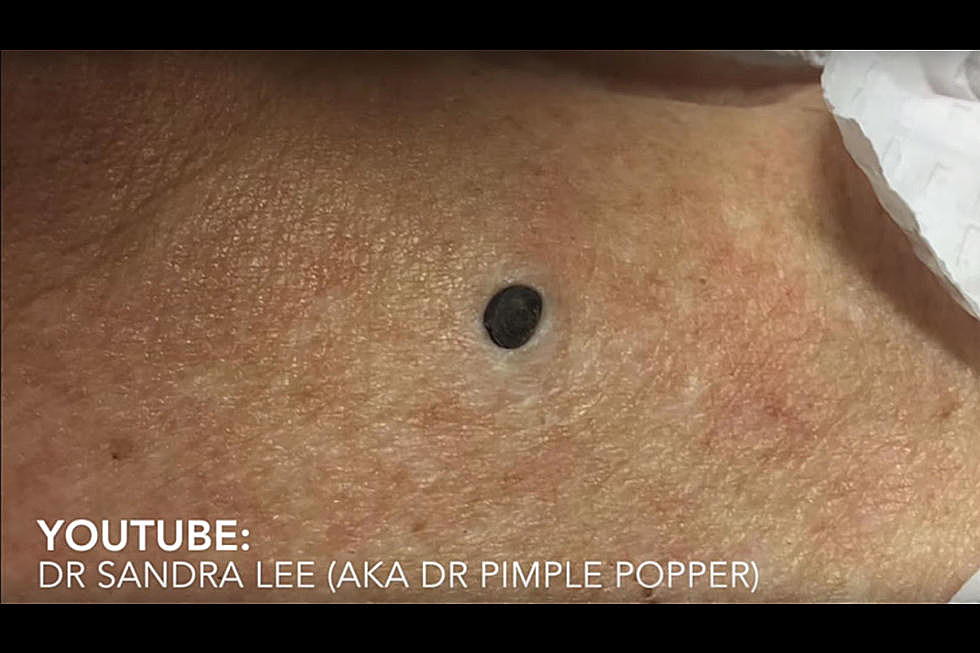
How the 2015 YouTube Pimple Popping Craze Took Over
When you think of viral moments from 2015, a bizarre clip of a teenager extracting a large cyst on camera likely isn’t the first thing that comes to mind. Yet that very scene sparked a wave of curiosity, disgust, and an unexpected subculture that still echoes in today’s algorithm‑driven feeds. Below is a look at why those gory videos exploded, how the community formed, and what the phenomenon reveals about our appetite for uncomfortable content.
The Unexpected Rise of “Satisfying” Discomfort
It started with a single upload—an unfiltered, handheld recording of a teenage girl sitting at a kitchen table, squeezed pink‑juice‑filled pockets, and let loose a series of pops that sounded almost like a percussion set. Within days, the view count jumped into the millions, and similar clips began to flood the platform.
Two factors helped fuel the surge:
- Algorithmic boost. YouTube’s recommendation engine favors watch‑time. The oddly mesmerizing rhythm of a pop encourages viewers to keep watching.
- Human fascination with the taboo. Psychologists note that seeing something “gross” from a safe distance triggers a mix of adrenaline and curiosity, a cocktail the brain finds hard to resist.
Who Were the Early Viewers?
Contrary to popular belief, the audience wasn’t just a handful of thrill‑seekers. Demographic data from that period shows a surprisingly broad spread:
- Teenagers looking for a quick distraction between classes.
- College students using the videos as a stress‑relief “oddly satisfying” break.
- Adults curious about dermatology, often mistaking the clips for legitimate educational content.
Many didn’t even realize they were part of a larger trend until the hashtag #pimplepopping went viral on Twitter and Instagram.
From Hobby to Hustle
Within a month, several creators turned the one‑off clip into a full‑blown channel, posting weekly “extractions” with titles like “Cyst Removal – No Pain, No Scars.” Sponsorships followed: hat brands for “lab coats,” antiseptic wipes, and even dermatologist‑approved skincare lines. The line between genuine medical interest and pure spectacle blurred fast.
Why the Gritty Visuals Worked So Well
From a visual standpoint, these videos hit several sensory sweet spots:
- Close‑up detail. The macro lens captures textures that ordinary eyes never see, turning a mundane blemish into a miniature landscape.
- Sound design. The pop itself is a crisp, low‑frequency snap that registers in the viewer’s subconscious, creating a brief, satisfying climax.
- Pacing. Most clips edited themselves into a rhythm—build‑up, tension, release—mirroring the structure of a short horror film.
That formula proved surprisingly recyclable. Even after the initial frenzy faded, creators who added commentary, “ASMR” style whispers, or educational tidbits kept the audience engaged.
Controversy and the Platform’s Response
Not everyone cheered the trend. Health professionals warned viewers about the risk of copying unsafe extraction techniques. YouTube eventually introduced a “restricted mode” for graphic content, requiring age verification for new uploads. The move sparked debate: censoring potentially harmful material versus preserving artistic freedom.
In hindsight, the platform’s reaction highlighted a broader challenge—how to balance user‑generated shock content with community safety. The policy shift also nudged many creators toward more “clean” presentations, focusing on dermatologist interviews rather than raw footage.
Legacy: From 2015 to Today’s “Oddly Satisfying” Niche
Fast forward to 2024, and you’ll find that the core appeal of pimple popping videos survived under different guises: slime videos, kinetic sand, even time‑lapse plant growth. The underlying principle remains the same—offering viewers a controlled encounter with the messy, the uncomfortable, and the spectacularly visual.
For content strategists, the 2015 phenomenon offers a case study in how niche, seemingly repulsive topics can dominate mainstream feeds when they hit the algorithm’s sweet spot. It also serves as a reminder that audience curiosity often outpaces conventional notions of “tasteful” content.
Takeaway for Creators
If you’re considering riding the wave of a controversial niche, keep these pointers in mind:
- Ensure any potentially harmful actions are clearly labeled as professional or discouraged for amateurs.
- Pair sensational visuals with genuine educational value—expert commentary can turn a “shock” video into a trusted resource.
- Monitor platform policy changes closely; what’s permissible today may shift with a single update.
Ultimately, the 2015 pimple popping craze proves that curiosity, when packaged just right, can turn the most unlikely subjects into internet gold.