How the 2022 Honda CBR500R Accelerates: A Performance Review
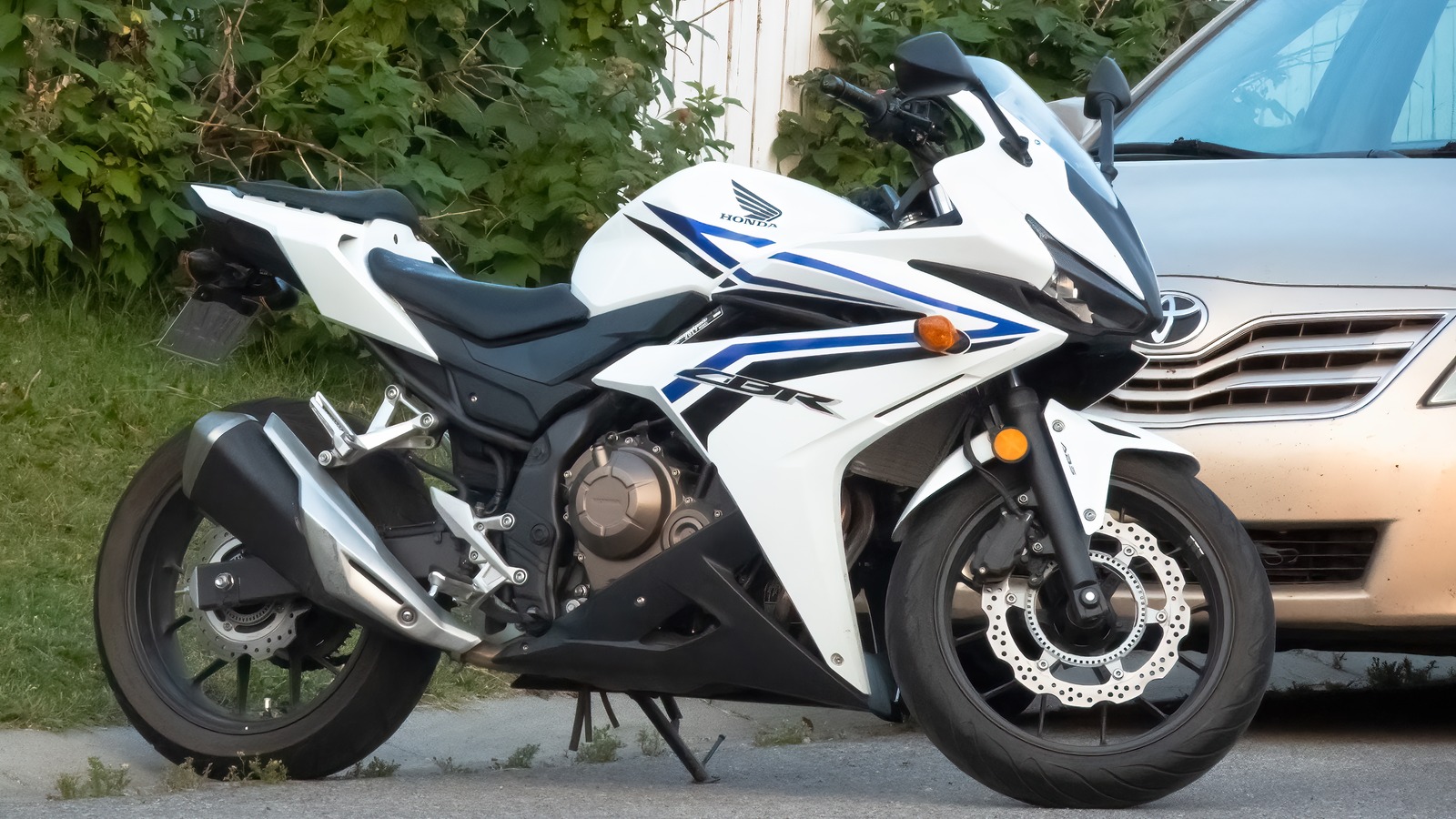
The 2022 Honda CBR500R sits at the sweet spot between entry‑level sport bikes and the more aggressive supersport crowd. Riders often ask whether its modest 471 cc engine can deliver the thrill they expect from a “CBR” badge. In this acceleration performance review we’ll break down the numbers, feel the rush on the road, and see how the bike stacks up against rivals.
2022 Honda CBR500R Acceleration Performance Overview
Factory‑claimed power for the 2022 model is 47 hp at 8,500 rpm, with torque peaking at 31 Nm around 6,500 rpm. Those figures sound modest compared with a 600 cc sport bike, but the parallel‑twin’s compact chassis and low‑mass design give it a lively response. In everyday riding, you’ll notice the engine pulling confidently from a standstill, especially when you keep the revs in the mid‑range sweet spot.
Engine and Powertrain Details
Honda’s 471 cc, liquid‑cooled parallel twin uses a 180° crank, which smooths out the power delivery and reduces vibration. The bike is equipped with a six‑speed gearbox that has close‑ratio gearing, purpose‑built for keeping the engine in its powerband during acceleration runs. The final drive is a chain, offering the usual trade‑off of slightly higher maintenance for crisp power transfer.
- Weight: Approximately 197 kg wet, giving a power‑to‑weight ratio that feels lively for a bike in this class.
- Throttle response: Linear and predictable, thanks to Honda’s Programmed Fuel Injection (PGM‑FI) system.
- Electronics: The 2022 update adds a digital LCD dash with a rev counter, but no traction control or ride‑by‑wire.
Real‑World Acceleration Tests
Independent road testers typically clock the CBR500R from 0‑60 mph (0‑96 km/h) in roughly 5.5 to 6 seconds, depending on rider weight and grip. On a dry, paved stretch, a rider who holds the throttle just past the torque peak can shave a few tenths off that time. The bike’s low seat height and upright ergonomics let riders keep the front wheel planted, which contributes to a stable launch.
When pushing past 60 mph, the acceleration tapers as the engine approaches its redline. You’ll feel a smooth, gradual increase rather than a sudden surge—perfect for riders who enjoy a progressive feel rather than a flash‑bang blast.
Quarter‑Mile Times and Street Feel
In the quarter‑mile, most reviewers report the CBR500R finishing around 15.5 to 16 seconds, with trap speeds hovering near 75 mph. Those numbers place the bike squarely in the middle of the 500‑cc sport segment. The experience is less about raw straight‑line speed and more about the sense of momentum you get as the bike climbs the rev range.
The bike’s chassis—an aluminum perimeter frame with a swingarm that’s both light and rigid—helps translate engine thrust into forward motion without excessive nose‑dive. Suspension settings are factory‑tuned for a balance of comfort and sportiness, so the bike feels planted even when you’re jamming the throttle hard.
How It Stacks Up Against Competitors
Comparing the 2022 CBR500R to the Kawasaki Ninja 400 and the Yamaha YZF‑R3 highlights its strengths and compromises. The Ninja 400 typically posts quicker 0‑60 times (around 5 seconds) thanks to a higher peak horsepower, but the CBR500R offers a broader torque curve that feels more usable in everyday traffic. The YZF‑R3, meanwhile, is lighter but less torquey, making the Honda feel more confident when exiting corners.
Ultimately, the CBR500R wins on the basis of versatility. Its upright riding position, comfortable seat, and smoother power delivery make it a more forgiving bike for newer riders while still satisfying those who want a genuine sport‑bike sensation.
Tips for Getting the Most Out of the CBR500R
Even without electronic aids, a few rider techniques can sharpen the bike’s acceleration:
- Keep the clutch lever fully released before applying throttle; the CBR’s clutch has a relatively short bite point.
- Shift at around 8,000 rpm to stay in the optimal power band; the six‑speed gearbox is spaced to make this easy.
- Maintain proper tire pressure—especially the front tire—to ensure maximum grip during hard launches.
- Consider a lightweight aftermarket exhaust; a modest weight reduction can improve both acceleration and sound without compromising reliability.
Frequently Asked Questions
What is the 0‑60 mph time for the 2022 Honda CBR500R?
Most road tests record a 0‑60 time in the 5.5‑to‑6 second range, varying with rider weight, grip, and riding style.
How does the CBR500R’s torque compare to the Ninja 400?
The CBR500R delivers a flatter torque curve, peaking around 31 Nm, which translates to stronger pull at lower revs, whereas the Ninja 400’s torque peaks higher but over a narrower range.
Is the CBR500R suitable for track days?
Yes, provided the rider respects its power limits. The bike’s chassis is stable, and the six‑speed gearbox allows precise control, making it a fun entry‑level track machine.
Can I improve acceleration with aftermarket parts?
Lightweight exhausts and slip‑on mufflers can shave a few tenths of a second off straight‑line runs, but the most noticeable gains come from riding technique and maintaining optimal tire condition.

![2022 Honda CBR500R Review [17 Fast Facts]](https://ultimatemotorcycling.com/wp-content/uploads/2022/10/2022-honda-cbr500r-review-sport-motorcycle-supersport-commuter-16.jpg)

