How the Houthi Movement Shaped Yemen’s Conflict
The story of Yemen’s turmoil can’t be told without mentioning the Houthi movement. Born from a blend of tribal grievances, religious revival, and political marginalisation, the group has evolved from a modest insurgency into a decisive force that now commands headlines worldwide. Yet, the roots and motivations behind their rise remain far from a simple narrative.
Origins: From Saada’s Hills to the National Stage
In the early 1990s, the Zaidi Shia community of northern Yemen felt increasingly squeezed by a central government that favoured the south and the Sunni majority. The catalyst was the death of Al‑Hussein Badreddin al‑Houthi in 2004, a charismatic religious teacher who had rallied his followers around a call for greater autonomy and opposition to perceived foreign interference.
- Religious revival: The Houthis promoted a modernised Zaidi identity, positioning themselves as defenders against the spread of Salafi‑driven Wahhabism from neighbouring Saudi Arabia.
- Economic neglect: Saada’s mountainous region suffered from chronic under‑investment, prompting resentment toward Sana’a’s elite.
- Political exclusion: Repeated attempts to run for parliament were thwarted, feeding a sense of disenfranchisement.
These grievances coalesced into a cohesive movement that blended traditional tribal structures with a contemporary political agenda.
From Insurgency to Power Broker (2004‑2014)
Initially, the Houthis waged a series of low‑intensity clashes against the Yemeni army. Each round of fighting exposed the central government’s inability to maintain order in the north. By 2011, during the Arab Spring uprisings that toppled President Ali Abdullah Saleh, the Houthis seized an unexpected opening.
While protestors flooded the streets of Sana’a demanding reform, the Houthis mounted coordinated offensives, capturing key districts and forging an uneasy alliance with Saleh himself. The former president, seeking a foothold against his own opponents, supplied arms and intelligence to the rebels—a partnership that would later prove disastrous for both.
The 2014 Takeover
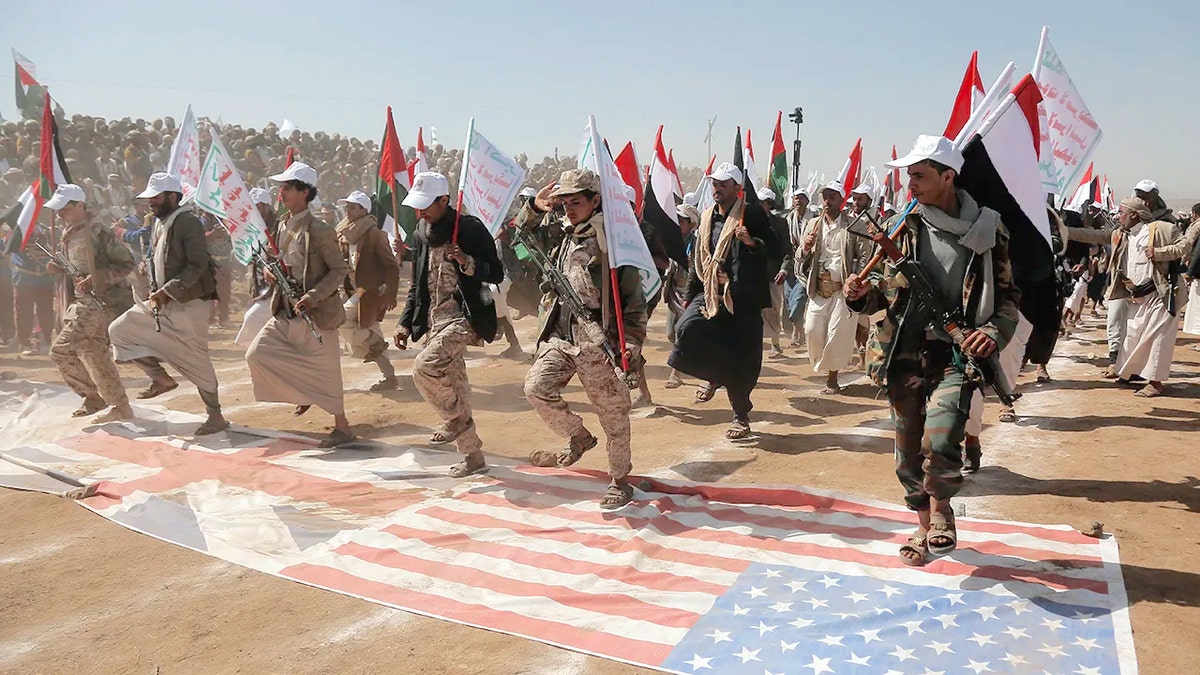
In September 2014, the Houthis entered the capital, aided by factions of the army that had defected. Their rapid advance was not just a military feat; it was a political statement. By early 2015, they had installed a transitional council and declared control over much of the country’s north and central regions.
- Control of the port city of Hodeidah, crucial for humanitarian aid.
- Dominance over the capital’s government institutions.
- Negotiations with the Southern Transitional Council, a rival secessionist group.
These moves set the stage for the next, more dramatic chapter: foreign intervention.
The Saudi‑Led Coalition and the Prolonged War
Alarmed by a perceived Iranian proxy gaining ground on their southern border, Saudi Arabia assembled a coalition of Gulf states in March 2015. The aim was clear—push the Houthis out of Sana’a and restore the internationally recognised government of President Abdrabbuh Mansur Hadi.
The ensuing air campaign, combined with a maritime blockade, turned Yemen into a battlefield of asymmetrical warfare. While Saudi jets targeted Houthi positions, the rebels responded with missile and drone strikes that reached as far as Riyadh and even the United Arab Emirates.
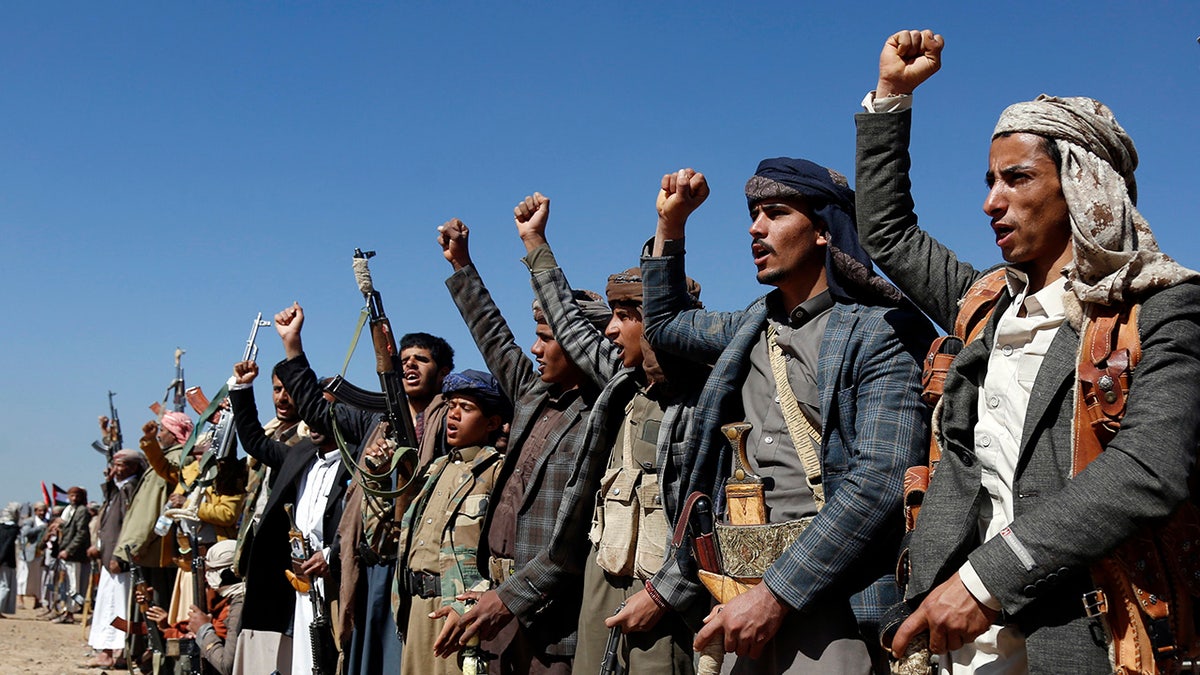
What emerged was a stalemate that inflicted massive humanitarian suffering while allowing the Houthis to cement control over large swathes of territory. Their ability to adapt—using guerrilla tactics, underground tunnels, and a sophisticated propaganda network—kept them in the game despite overwhelming odds.
Ideology and Governance: Beyond the Battlefield
The Houthis do not fit neatly into a single ideological box. While they espouse Zaidi revivalism, they also adopt nationalist rhetoric, framing themselves as defenders of Yemen’s sovereignty against foreign interference. Their official discourse mixes anti‑imperialism with calls for anti‑corruption and social justice.
In areas under their control, they have set up parallel institutions:
- A “Supreme Political Council” that issues decrees on education, health, and taxation.
- Local committees that manage security and dispute resolution, often drawing on tribal customs.
- Limited media outlets that broadcast both propaganda and community news.
These structures reveal a pragmatic approach: governance where possible, insurgency where necessary.
International Perception and the Question of Iran
Western analysts frequently label the Houthis as an Iranian proxy, pointing to the supply of ballistic missiles and drone technology. Iran, for its part, acknowledges political support but denies direct command over the group’s operations.
The reality sits somewhere in between. Iran provides financial backing and training, yet the Houthis retain a degree of autonomy, often pursuing objectives that serve local interests more than Tehran’s regional agenda.
Humanitarian Impact and the Road Ahead
Regardless of political calculations, the human cost is staggering. Blockades, relentless bombing, and internal displacement have pushed millions to the brink of famine. Humanitarian agencies struggle to deliver aid through checkpoints controlled by various factions, including the Houthis.
Any lasting solution will likely require:
- Inclusive political dialogue that recognises the Houthis as a legitimate stakeholder.
- Gradual lifting of blockades to restore food and medical supplies.
- Confidence‑building measures between the Houthis, the southern separatists, and the internationally recognised government.
Yet, deep‑seated mistrust and competing regional ambitions make such a roadmap fragile at best.
Why Understanding the Houthis Matters
For observers, policymakers, and anyone following Middle Eastern affairs, grasping the complexities of the Houthi movement offers more than a snapshot of a single civil war. It illustrates how local grievances can intertwine with geopolitics, how insurgent groups can transition into governing entities, and how external interventions often amplify, rather than resolve, underlying tensions.
In short, the Houthis are not merely a footnote in Yemen’s crisis—they are a central character whose motives, strategies, and aspirations continue to shape the country’s uncertain future.