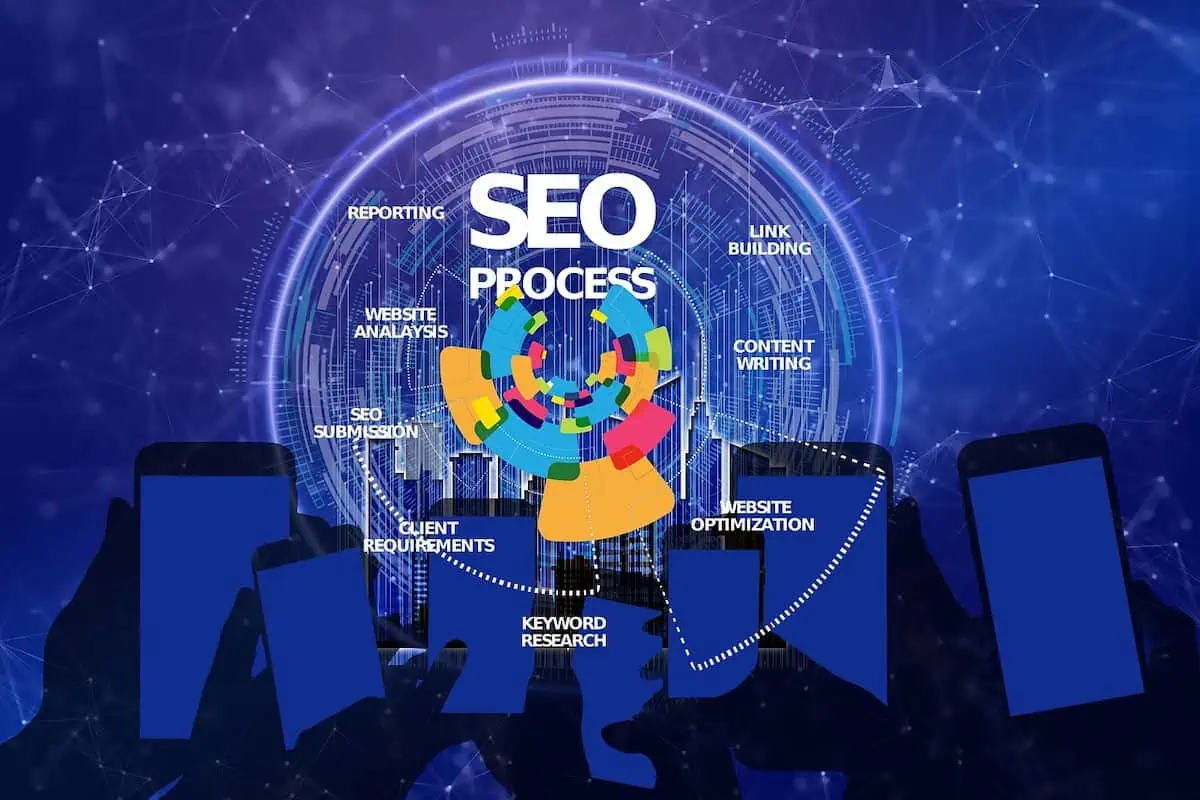
How to Boost Your SEO: A Practical Guide
When you’re trying to climb the search‑engine rankings, the first thought that pops up is often “Boost Your SEO.” It’s not a magic phrase, but a call to action that can shape everything from site architecture to the words you sprinkle across your pages. In this guide we’ll walk through the most effective tactics—both the quick wins and the deeper, technical moves—so you can start seeing real traffic improvements without needing a Ph.D. in algorithms.
Boost Your SEO with Smart Keyword Research
Keywords remain the backbone of any optimization effort. The trick isn’t just stuffing popular terms; it’s about uncovering the exact phrases your audience uses when they’re ready to act.
- Start with intent. Ask yourself whether a searcher is looking for information, a specific product, or a comparison. Align your content to match that purpose.
- Use tools wisely. Free options like Google’s “People also ask” and the Keyword Planner can reveal long‑tail variations you might otherwise miss.
- Don’t ignore seasonality. A term that spikes during holidays can be leveraged with timely blog posts or landing pages.
Once you have a list, map each keyword to a specific page or piece of content. This prevents internal competition and keeps your site’s architecture clean.
On‑Page Optimization Without Overkill
On‑page factors are the most visible parts of SEO, and they’re easier to tweak than you might think.
- Title tags. Keep them under 60 characters, place the primary keyword near the front, and make them compelling enough to earn clicks.
- Meta descriptions. Though not a ranking factor, a well‑written description can improve click‑through rates. Aim for 150‑160 characters and include a call‑to‑action.
- Headers (H1‑H3) should form a logical hierarchy. Sprinkle related keywords naturally, but avoid forcing them into sentences.
- Image SEO: use descriptive file names and alt text that reflects the image’s context—not just a keyword dump.
Remember, readability matters. Write for humans first; search engines will follow.
Technical SEO Essentials You Can Tackle Today
If your site loads slowly or crawlers can’t reach key pages, all the content work in the world won’t matter.
- Page speed. Compress images, enable browser caching, and consider a CDN. Tools like PageSpeed Insights give concrete suggestions.
- Mobile friendliness. With most searches now on phones, a responsive design isn’t optional. Test with Google’s Mobile-Friendly Test.
- XML sitemaps and robots.txt files help guide crawlers. Submit your sitemap through Google Search Console and regularly audit for errors.
- Secure your site with HTTPS. It’s a minor ranking signal, but it builds trust with users.
Content Strategy That Earns Rankings
Great content does more than answer questions—it earns backlinks, shares, and repeat visits.
- Target pillar pages that cover broad topics, then link out to more detailed cluster articles. This structure signals expertise to search engines.
- Incorporate multimedia—videos, infographics, podcasts—to keep users engaged longer, which can improve dwell time signals.
- Update older posts with fresh data and new insights. A refreshed article can regain lost rankings faster than starting from scratch.
Quality beats quantity. Aim for depth, accuracy, and a conversational tone that resonates with your audience.
Link‑Building Strategies That Feel Natural
Links remain a core ranking factor, but the era of cheap, spammy directories is over. Modern link‑building is about relevance and relationships.
- Guest posting. Contribute thoughtful pieces to reputable sites in your niche. Ensure the content adds value, not just a backlink.
- Resource pages. Identify industry round‑ups or “best of” lists and pitch your content as a useful addition.
- Leverage broken‑link building: find dead links on related sites, suggest your relevant resource as a replacement.
- Encourage internal linking. A well‑structured internal network spreads link equity throughout your site.
Measuring Progress and Adjusting Tactics
SEO isn’t a set‑and‑forget job; it’s a cycle of testing, analyzing, and refining.
- Track organic traffic, click‑through rates, and average position in Google Search Console.
- Set up goal funnels in Google Analytics to see how SEO visitors move toward conversions.
- Regularly audit for broken links, duplicate content, or crawl errors—fixing these can quickly recover lost rankings.
When a tactic shows diminishing returns, don’t be afraid to pivot. The algorithm landscape evolves, and so should your approach.
Frequently Asked Questions
What’s the quickest way to see a boost in rankings?
Optimizing title tags and meta descriptions for a handful of high‑intent pages often yields noticeable improvements within a few weeks, especially if those pages already have solid content.
How important are backlinks compared to content quality?
Both matter, but quality content is the foundation. Without it, even the best backlinks may not keep visitors engaged, reducing dwell time and signaling relevance to search engines.
Do I need to hire an SEO specialist for a small business?
Not necessarily. Many foundational tasks—keyword research, on‑page tweaks, and basic technical fixes—can be handled with free tools and a bit of time. However, complex technical issues or large‑scale campaigns may benefit from professional expertise.
How often should I update my SEO strategy?
Review core metrics at least quarterly. Major algorithm updates or shifts in industry trends may prompt more frequent adjustments.