How to Choose a Cordless Vacuum Cleaner for a Cleaner Home
When you hear “cordless vacuum,” the first thing that comes to mind is freedom – no tangled cords, no hunting for outlets, and the ability to whisk away dust from stairs or the car with minimal fuss. Yet the market is crowded, and not every battery‑powered sweeper lives up to the hype. Below is a practical walk‑through that helps you separate the truly versatile models from the gimmicky ones, so you can pick a tool that actually makes daily cleaning feel lighter.
What Sets Cordless Vacuums Apart?
At a glance, the main advantage is mobility, but a deeper look reveals three key factors that drive performance:
- Battery life and charging time. A five‑minute charge might sound impressive, but most units need at least an hour to reach full capacity. Look for a run‑time that matches your typical cleaning session – 20–30 minutes is a sweet spot for most apartments.
- Suction power measured in air watts. Higher numbers generally mean better pick‑up on carpet and pet hair, but they also drain the battery faster.
- Versatility of attachments. A well‑designed cordless system includes a crevice tool, dusting brush, and sometimes a motorised head for stubborn debris.
Battery Technology: Lithium‑Ion vs. NiMH
Old‑school NiMH packs still exist in a few budget models, but they’re heavy and suffer from memory loss – you never get the full advertised runtime if you charge them before they’re truly empty. Lithium‑ion (Li‑ion) batteries, by contrast, hold a steadier charge and weigh less, making the whole vacuum feel more like a handheld device than a mini‑tractor.
If you’re buying a cordless vacuum that promises a “30‑minute run‑time”, check the fine print: is that on a low‑suction mode, or does it hold up on the highest setting? Many manufacturers list a “max” time that only applies when you’re vacuuming a carpet with the motorised brush turned off.
Choosing the Right Form Factor
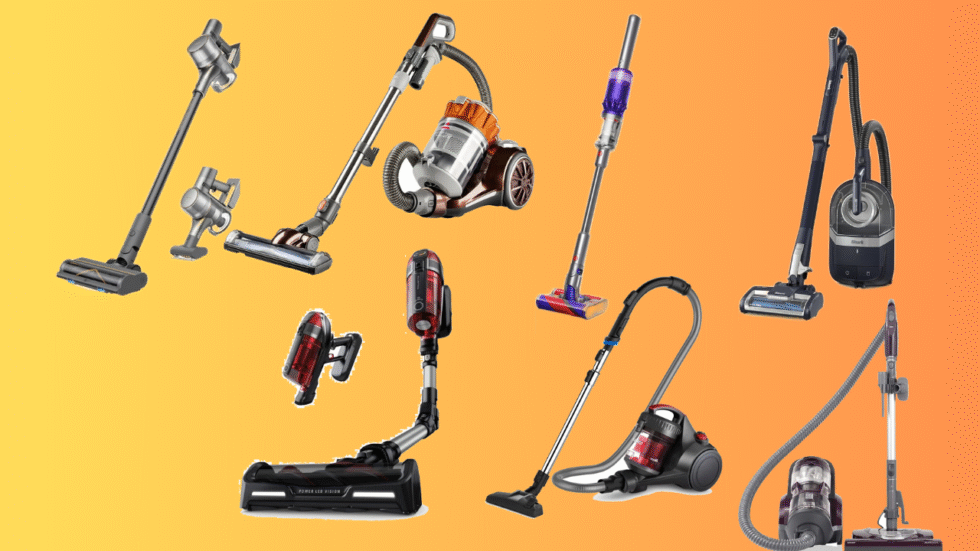
Stick Vacuums
Stick models are the go‑to for quick clean‑ups on hardwood floors and low‑pile carpet. They excel in tight spaces, and the slim profile means you can easily store them under a bed or behind a door. However, the trade‑off is usually a smaller dustbin and slightly weaker suction on thicker carpets.
Handhelds
If you spend a lot of time cleaning a car interior, upholstery, or stairs, a dedicated handheld can be a lifesaver. Some brands let you snap a cordless stick onto a handheld base, giving you two tools in one. Keep an eye on the weight; a heavy handheld defeats its own purpose.
Upright or Hybrid
For larger homes with mixed flooring, a hybrid that can convert from upright to handheld offers the best of both worlds. They tend to be pricier, but the convenience of a single machine that handles carpet, tile, and tight spots often justifies the cost.
Key Features to Look For
- Smart Battery Indicators. LED bars or digital displays that show remaining charge help you avoid mid‑room surprises.
- Adjustable Power Modes. Switching between “Eco,” “Standard,” and “Boost” lets you tailor suction to the surface you’re cleaning.
- Filtration System. HEPA filters trap fine particles and allergens – a must‑have if anyone in the house suffers from asthma.
- Easy‑Empty Dustbin. A one‑click release saves you from dumping dust onto the floor.
Real‑World Tips for Extending Battery Life
Even the best Li‑ion cells degrade over time, but simple habits can stretch each charge:
- Start on a lower suction setting; increase only if the floor looks like it’s still dusty.
- Keep the filter clean. A clogged filter forces the motor to work harder.
- Store the vacuum in a cool, dry place – extreme heat shortens battery lifespan.
- If you’re not going to use it for a week or more, charge it to about 50 % before tucking it away.
Budget vs. Premium: Where to Draw the Line
Entry‑level models hover around $100–$150 and typically offer 15–20 minutes of run‑time with basic attachments. Mid‑range units ($200–$300) step up the suction, provide longer warranties, and often include a motorised brush head. Premium offerings ($350 and up) push the envelope with brush‑less motors, advanced filtration, and quick‑charge tech.
If you have pets that shed heavily or a mix of carpet and hard floors, investing in a mid‑range or premium model usually pays off in fewer clogs and a cleaner overall house. For occasional spot‑cleaning, an entry‑level stick might be all you need.
Top Picks (as of 2026)
- Dyson V15 Detect. Strong suction, laser dust detection, and a solid battery life of about 30 minutes on Eco mode.
- Shark XL Series – lightweight, good for carpets, and comes with a detachable handheld that’s surprisingly powerful.
- LG CordZero A9. Dual‑battery system that lets you swap packs for uninterrupted cleaning.
- Tineco Pure One S12. Smart sensor adjusts suction automatically, extending battery when the floor is clean.
Final Thoughts
Choosing a cordless vacuum isn’t just about the flashiest specs; it’s about matching the tool to your home’s layout, your cleaning habits, and how much you value convenience over raw power. Take a moment to list the surfaces you clean most often, estimate how long you usually vacuum, and decide whether a stick, handheld, or hybrid fits your lifestyle. With the right balance of battery life, suction, and attachments, a cordless vacuum can truly become the silent partner that keeps your home looking fresh without the constant tug of a cord.