How to Choose and Use Aluminum Foil Adhesive Tape Effectively
Aluminum foil adhesive tape may sound like a niche product, but if you’ve ever needed a reliable sealing solution that can withstand heat, moisture, or even a bit of abrasion, you’ve probably wished for one. This guide walks you through what makes this tape tick, when it shines, and how to get the most out of it without turning the task into a chore.
What Sets Aluminum Foil Tape Apart?
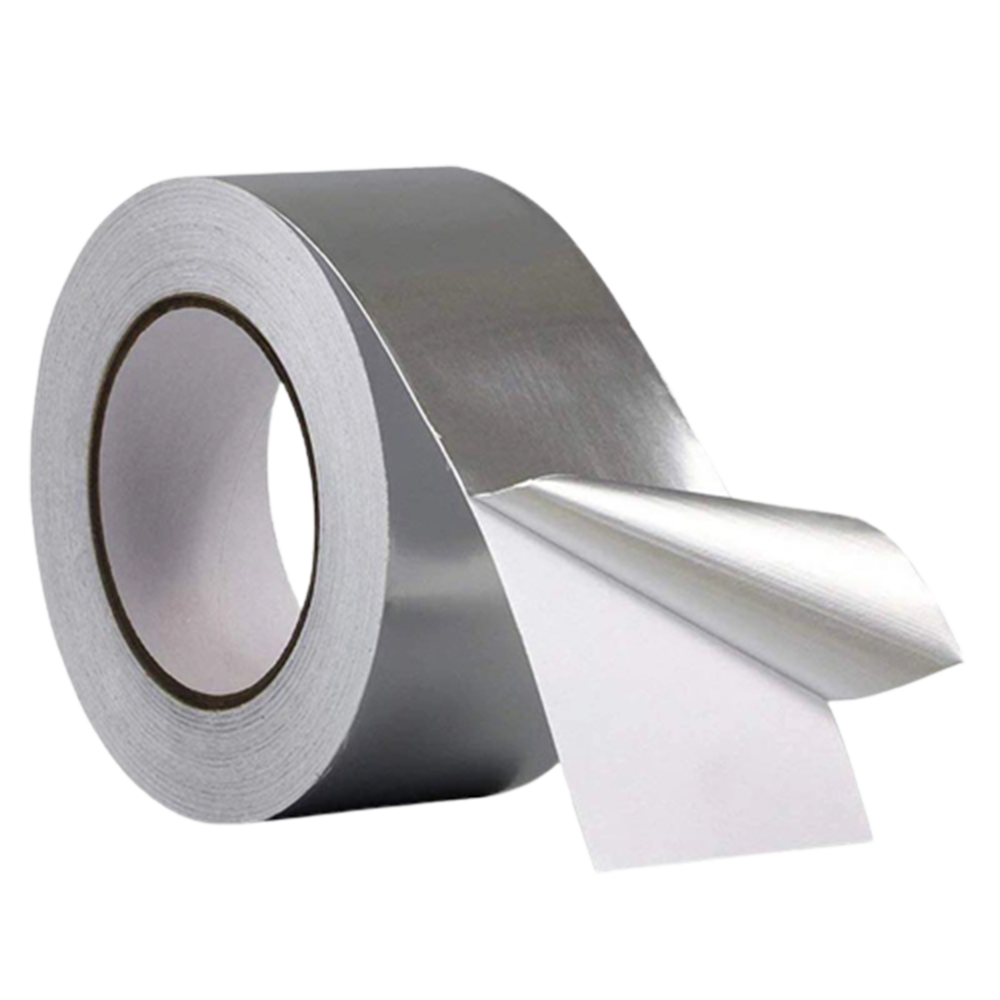
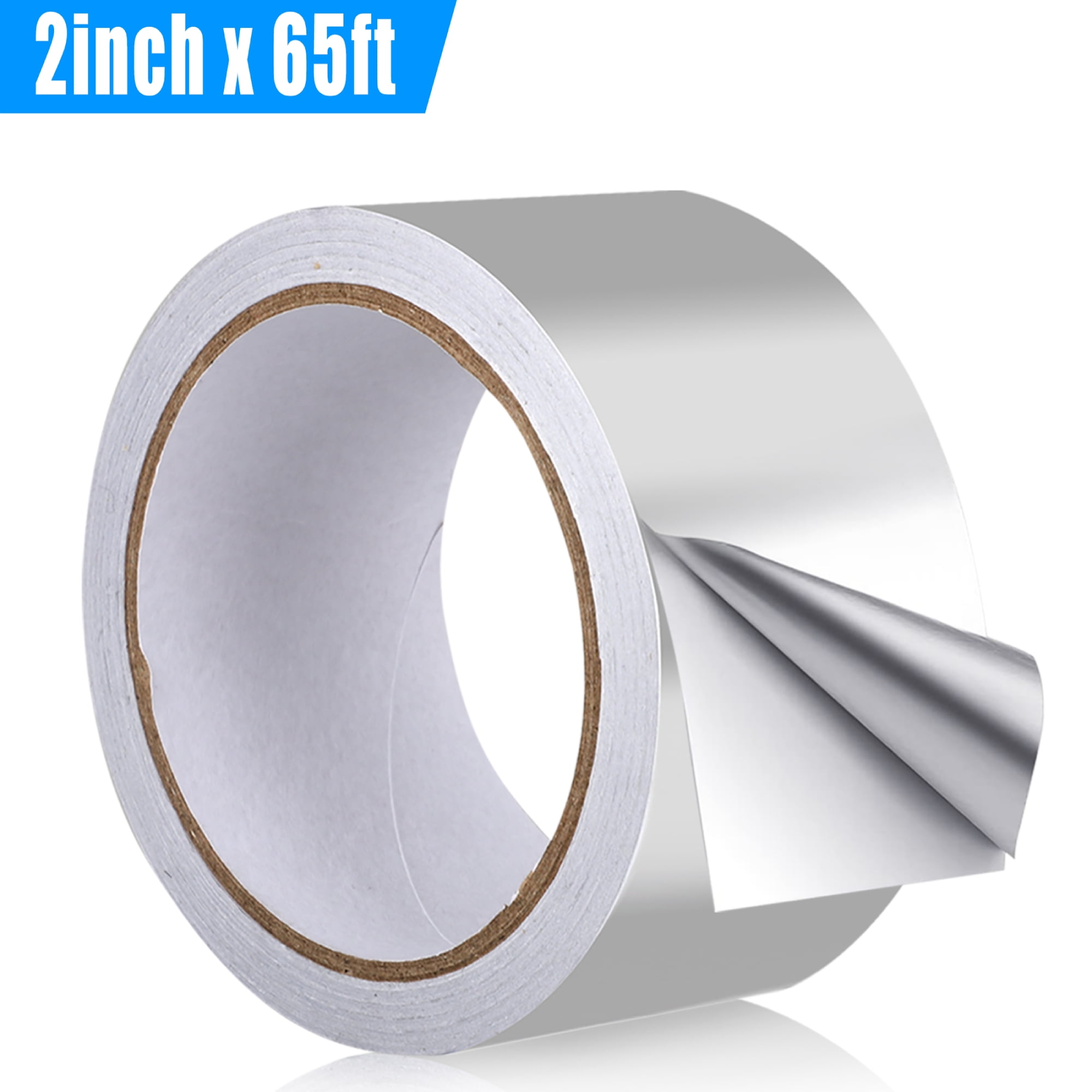
At its core, the tape is a sandwich of three layers:
- Aluminum foil backing – offers a reflective, moisture‑resistant barrier.
- Adhesive coating – usually a rubber‑based or acrylic formula that sticks to a wide range of surfaces.
- Release liner – protects the glue until you’re ready to apply.
The combination gives the tape a unique blend of strength, flexibility, and temperature tolerance that ordinary cloth‑ or PVC‑based tapes can’t match. It’s this versatility that makes it a go‑to for HVAC workers, automotive technicians, and DIY enthusiasts alike.
Key Applications You Might Not Expect
HVAC and Ductwork
Sealing joints in duct systems demands a material that won’t degrade under constant airflow and temperature swings. Aluminum foil tape maintains its adhesion even when the air temperature climbs above 200 °F (93 °C).
Automotive Repairs
From patching a cracked exhaust pipe to protecting wiring harnesses, the tape’s heat‑resistance and metal‑like appearance help it blend into the engine bay while providing a solid seal.
Home DIY Projects
Whether you’re wrapping around a pipe to prevent condensation or reinforcing a corner of a cardboard box, the tape’s reflective surface can also help reduce heat loss in small, makeshift insulation tasks.
Choosing the Right Type
Not all aluminum foil tapes are created equal. Here are the main factors to consider:
- Adhesive composition – Rubber‑based adhesives stick well to uneven or oily surfaces, while acrylics offer better UV resistance for outdoor use.
- Temperature rating – Look for a tape rated at least 250 °F (121 °C) if you’ll expose it to high heat; some premium versions handle up to 400 °F (204 °C).
- Width and thickness – A 2‑inch width is common for ductwork, but wider rolls (3‑4 inches) work better for larger surfaces. Thicker foil adds durability but may be harder to conform around tight bends.
Proper Application: Step‑by‑Step
1. Prepare the Surface
Clean the area with a degreaser or isopropyl alcohol, then let it dry completely. Dust or oil is the main culprit for premature tape failure.
2. Measure and Cut
Use a sharp utility knife or scissors. A clean cut prevents frayed edges that can peel off later.
3. Position and Press
Peel back a small section of the release liner, align the tape, and gradually pull the liner away while pressing firmly. Overlap seams by at least half the tape width to ensure a continuous seal.
4. Reinforce if Needed
For high‑stress joints, consider adding a second layer at a 90‑degree angle. This crisscross pattern distributes load more evenly.
Common Pitfalls and How to Avoid Them
- Applying over wet surfaces – Even a thin film of moisture can trap air bubbles and cause the adhesive to lose its grip.
- Using the wrong adhesive type – Acrylic‑based tapes can become brittle in cold climates, so opt for rubber‑based if you expect temperature swings.
- Stretching the tape – Aluminum foil doesn’t have much give; pulling it too tight may cause cracks that let moisture slip through.
Maintenance and Longevity
Once installed, the tape generally doesn’t require much upkeep. However, periodic visual checks are wise, especially in high‑temperature zones. If you spot lifting edges or discoloration, replace that segment rather than risking a full‑scale failure.
Environmental Considerations
Aluminum foil tape is recyclable, but the adhesive layer can complicate processing. Look for products labeled “reclaimable” or “eco‑friendly” if sustainability matters to you. Some manufacturers also offer a biodegradable liner that eases disposal.
Where to Buy
Most hardware stores stock standard sizes, but for specialty applications—like aerospace or marine—ordering online from a reputable supplier ensures you get the exact temperature rating and adhesive type you need.
Final Thoughts
Choosing the right aluminum foil adhesive tape isn’t rocket science, but it does benefit from a bit of foresight. By matching the tape’s temperature rating, adhesive composition, and dimensions to your project, you’ll enjoy a seal that lasts and performs as expected. Whether you’re sealing ductwork, fixing a car, or tackling a home repair, a good roll of foil tape can be the quiet hero that keeps everything together.