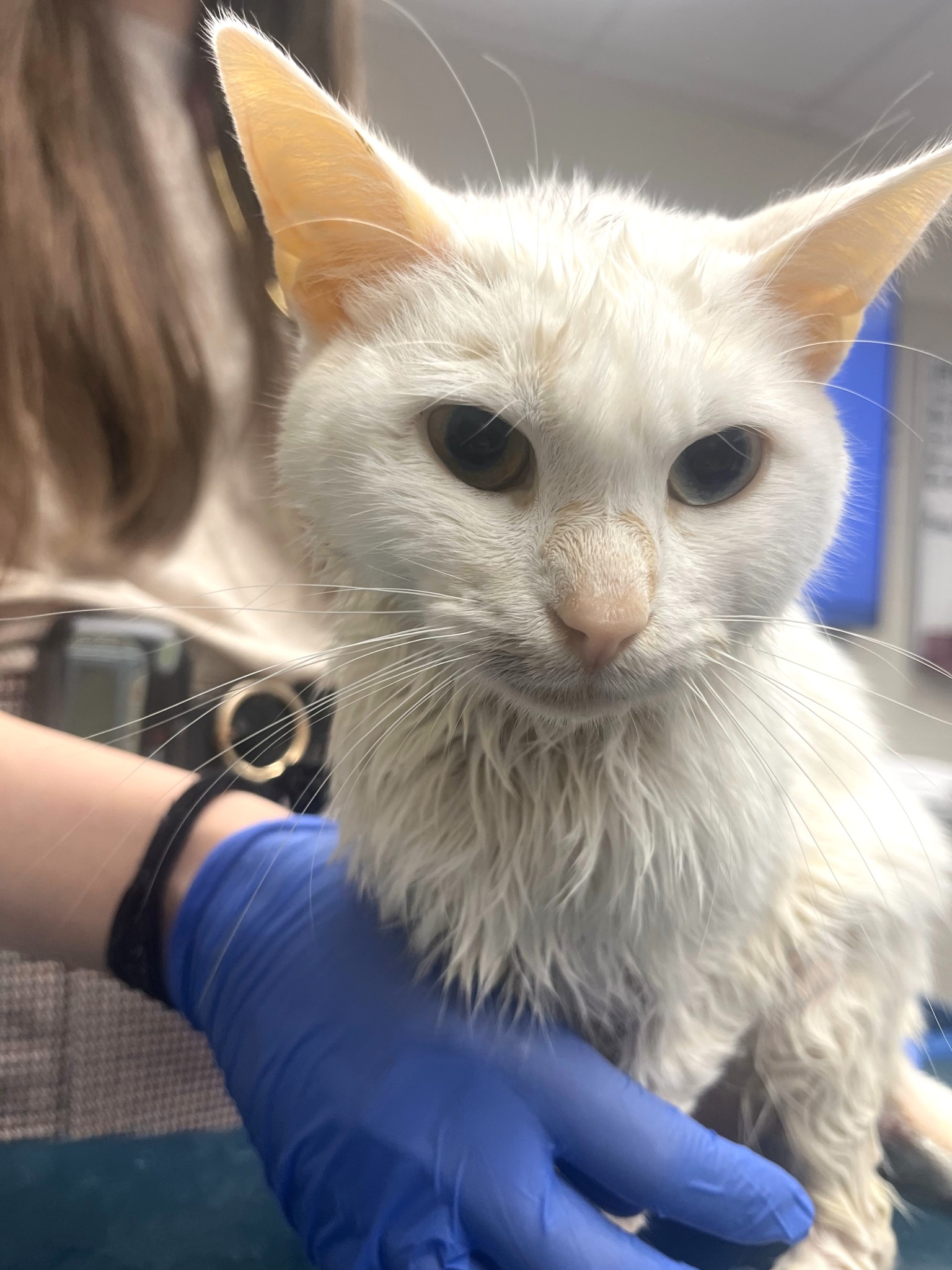
How to Help the Riley County Humane Society in Manhattan, KS
If you’ve ever walked past the modest brick building on Green Street and felt a tug at your heart, you’re not alone. The Riley County Humane Society (RCHS) serves as a sanctuary for countless cats, dogs, and small animals that need a second chance. Whether you’re a lifelong resident or just passing through, there are surprisingly many ways to make a real difference without breaking the bank.
What the Society Actually Does
RCHS is more than a shelter; it’s a community hub for animal welfare. Their core programs include:
- Rescue and Adoption: Stray, abandoned, or surrendered animals are given medical care, socialization, and a safe space until they find forever homes.
- Spay‑Neuter Clinics: Low‑cost surgeries help control the local pet population, reducing future shelter intake.
- Education Outreach: Workshops at schools and public events teach humane pet handling and responsible ownership.
- Volunteer Coordination: A rotating roster of helpers keeps the shelter running—from walking dogs to cleaning kennels.
All of these initiatives rely heavily on community support, which is why your involvement matters.
Ways to Contribute Your Time
Even a single Saturday afternoon can change a shelter animal’s life. Here are some of the most needed volunteer roles:
Dog Walkers & Play Buddies
Energetic pups thrive on regular exercise. A thirty‑minute walk, a game of fetch, or simply spending a few minutes offering affection can boost an animal’s confidence and make them more adoptable.
Cat Caretakers
Feline volunteers often find themselves in quiet rooms, gently coaxing shy cats out of hiding. Tasks include litter box cleaning, brushing, and “purr‑therapy” sessions that help cats adjust to human interaction.
Administrative Helpers
If you’re more comfortable behind a desk, the shelter always needs help with data entry, answering phones, and managing social media posts that showcase adoptable pets.
Donations That Go the Distance
Money isn’t the only currency that counts. Here are some donation ideas that stretch farther than a typical cash gift:
- Supplies Drives: Blankets, leashes, toys, and unopened pet food cans are constantly in demand.
- Gift Cards: A $25 grocery store card can cover a week’s worth of food for a dog.
- Professional Services: Veterinarians, photographers, or web designers who volunteer their expertise save the shelter thousands each year.
When you give, ask for a receipt that specifies how the contribution will be used. Transparency builds trust and encourages repeat giving.
Adopt, Foster, or Sponsor
Adoption is the ultimate act of kindness, but not everyone can commit to a pet long‑term. That’s where fostering and sponsorship fill the gap.
Foster Care
Foster homes provide a quieter environment for animals recovering from surgery, adjusting to new routines, or simply needing a break from the shelter’s hustle. Most shelters, including RCHS, cover veterinary costs for foster pets.
Sponsorship Programs
For $30 a month, you can sponsor a senior dog or a kitten awaiting adoption. Your contribution funds food, medical care, and enrichment toys, and you’ll receive regular updates and photos.
Events Worth Attending
RCHS hosts a handful of community events each year. Mark your calendar for at least one of these:
- Annual Adoption Fair (July): A family‑friendly outdoor showcase where you can meet dozens of adoptable animals.
- Spay‑Neuter Day (September): Low‑cost surgeries for residents—often with free after‑care kits.
- Pet Photo Contest (December): Bring your own pet, snap a festive picture, and win a donation voucher for the shelter.
Even if you’re not adopting, attending raises awareness and helps the shelter connect with potential donors.
Behind the Scenes: Meet the Staff
RCHS is run by a small but dedicated team of full‑time staff members who wear many hats. The executive director coordinates fundraising, while the animal care manager oversees daily health checks. Knowing who’s who can make your volunteer experience smoother; don’t hesitate to ask for a quick orientation when you first arrive.
Tips for a Successful First Visit
First‑timers often wonder what to bring. Here’s a quick checklist:
- Closed‑toed shoes—wet floors are common.
- A reusable water bottle (the shelter provides water stations).
- Any personal items you might need (gloves, a small towel, or a favorite chew toy if you’re fostering).
- Patience. Animals may be nervous at first, but a calm demeanor helps them settle.
Why Supporting RCHS Matters for Manhattan
Manhattan’s growing population means more stray animals. By supporting the Riley County Humane Society, you’re directly contributing to a safer, healthier community. Reduced stray numbers lead to fewer traffic accidents, lower disease risk, and a stronger sense of local pride.