How to Stay Safe in the Sun from Sunrise to Sunset: Your Guide
Whether you’re catching the first light on a morning jog or winding down with a beachside sunset, the sun’s rays are ever‑present companions. They’re wonderful for mood and vitamin D, but too much exposure can quickly turn a pleasant outing into an uncomfortable sunburn. Below is a practical walk‑through of the habits and tools that keep you protected from the moment the sun peeks over the horizon until it dips below the line.
Understanding UV Radiation: The Invisible Player
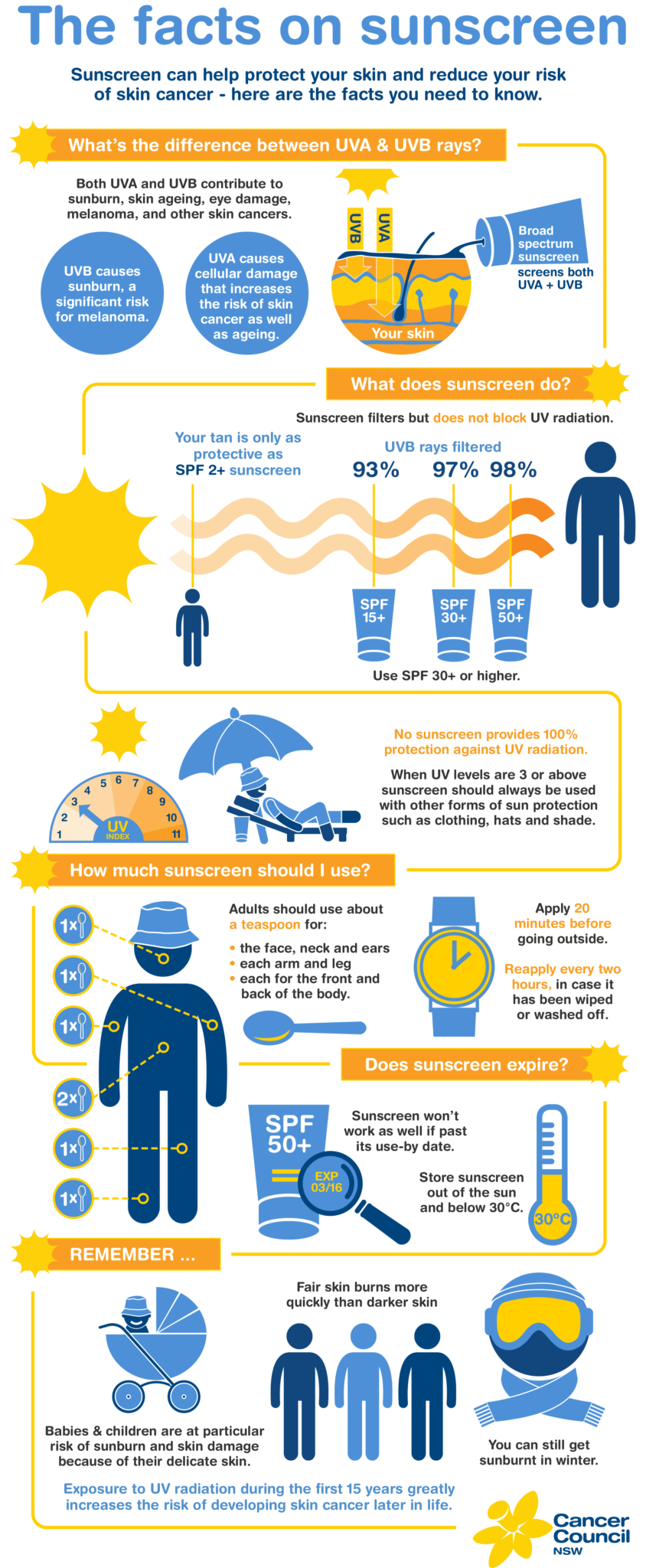
Ultraviolet (UV) light comes in three flavors—UVA, UVB, and UVC. Fortunately, the ozone layer blocks most UVC, leaving us to contend mainly with UVA and UVB. UVA penetrates deep, contributing to early skin aging, while UVB is the chief cause of sunburn. Both types are present at sunrise and linger strongly through noon, tapering off only toward sunset.
Why Timing Matters
- Morning (sunrise to 10 a.m.) – UV intensity is low, but still enough to trigger damage over extended periods.
- Midday (10 a.m. to 4 p.m.) – Peak UV index; this is the window where sunburn risk spikes dramatically.
- Evening (after 4 p.m. to sunset) – UV levels decline, yet reflective surfaces like water or sand can bounce lingering rays back onto your skin.
Layering Your Defense
Think of sun protection as a three‑layer cake: clothing, sunscreen, and accessories. Skipping any layer leaves a gap that the sun can exploit.
Clothing Choices
Long‑sleeved shirts, lightweight pants, and wide‑brim hats might feel “overkill” on a breezy morning, but their fabric acts as a physical shield. Look for garments labeled with an Ultraviolet Protection Factor (UPF). A UPF 50+ shirt blocks about 98 % of UV radiation.
Choosing the Right Sunscreen
Broad‑spectrum formulas that cover both UVA and UVB are non‑negotiable. Aim for an SPF of at least 30 for everyday use; higher numbers become useful for extended beach time or high‑altitude activities.
- Application tip: Use roughly a teaspoon for the face and a tablespoon per arm or leg.
- Reapplication: Every two hours, or sooner after swimming, sweating, or toweling off.
Smart Accessories
Sunglasses aren’t just a fashion statement. Choose lenses that block 100 % of UVA and UVB; polarized versions also reduce glare, making them ideal for sunrise hikes where the light can be deceptively sharp.
Special Situations: When Sun Protection Gets Tricky
Some scenarios demand extra attention.
- Water activities – Even “water‑proof” sunscreens lose effectiveness after 40–80 minutes of swimming. Rinse‑off resistant formulas help, but reapply sooner than you might think.
- High elevations – UV intensity grows about 4 % for every 1,000 feet above sea level. A mountain sunrise can feel gentle, yet it carries a punch.
- Reflective surfaces – Snow, sand, and pavement bounce UV rays back toward you. A sunny winter ski day can cause a burn even when the sky is overcast.
Nutrition and Skin Health: The Unsung Backup
While topical protection does the heavy lifting, what you eat can bolster your skin’s resilience. Antioxidant‑rich foods—think berries, leafy greens, and nuts—help neutralize free radicals generated by UV exposure. A cup of green tea or a splash of tomato juice before heading out adds a subtle, internal shield.
Recognizing Early Signs of Sun Damage
Not all harm shows up immediately. A faint pinkness might be the first whisper of a sunburn, while longer‑term effects include fine lines and pigment changes. If you notice lingering redness, tightness, or peeling after a day outdoors, treat the skin gently: cool compresses, aloe‑based moisturizers, and plenty of hydration.
Kids and Sun Safety: Making It Fun
Children’s skin is thinner, meaning they burn faster. Make protection part of the adventure: let them pick a bright hat, apply sunscreen together, and turn reapplication into a “sun‑break” game every 30 minutes.
Quick Reference Checklist
- Check the UV index on your phone before stepping out.
- Dress in UPF clothing and a wide‑brim hat.
- Apply broad‑spectrum SPF 30+ sunscreen 15 minutes before exposure.
- Wear 100 % UV‑blocking sunglasses.
- Reapply sunscreen every two hours, or after water/sweat.
- Stay hydrated and snack on antioxidant‑rich foods.
- Seek shade during peak UV hours, especially from 10 a.m. to 4 p.m.
By weaving these habits into your sunrise strolls and sunset evenings, you’ll enjoy the sun’s benefits without paying the price of a painful burn. The goal isn’t to hide from daylight, but to embrace it wisely—one thoughtful layer at a time.