Pollinators of Rafflesia Flowers: A Comprehensive Guide
Why Rafflesia Stands Out
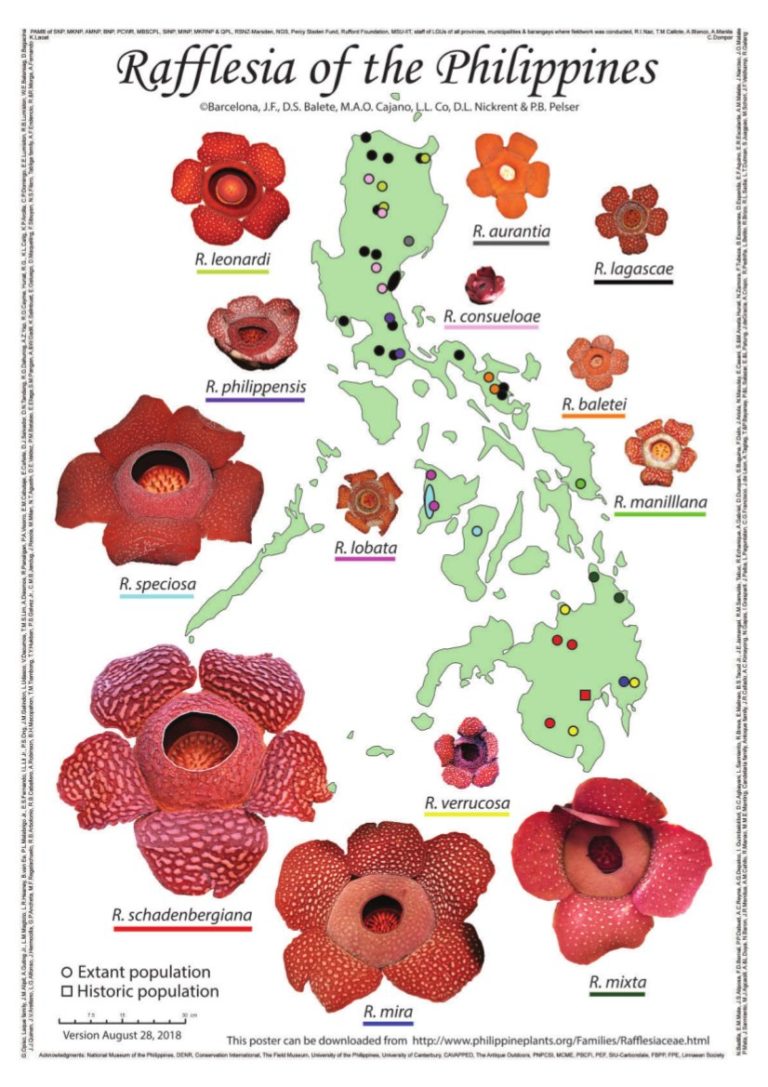
Rafflesia isn’t just another pretty face in the plant kingdom; it’s a botanical oddball that can dwarf a car tire and lives mostly hidden underground. The visible part—a fleshy, smelly bloom—emerges only when the parasite is ready to reproduce. Because the plant lacks leaves, stems, and even roots, its survival hinges entirely on the host vine and, crucially, on the insects that carry its pollen.
What Attracts Insects to the Giant Bloom
The answer lies in a combination of scent and sheer size. While most flowers rely on bright colors to beckon hummingbirds or bees, Rafflesia has chosen a decidedly macabre approach.
Olfactory Lure: The “Carrion” Scent
When the flower opens, it releases volatile compounds that mimic the odor of rotting flesh. These chemicals—mostly dimethyl trisulfide and other sulfur‑rich molecules—are irresistible to certain flies that are hard‑wired to locate decaying meat.
Visual Clues and Size
At up to 100 cm across, the blossom’s sheer magnitude is a visual cue in itself. Even in the dim understory of Southeast Asian rainforests, the dark, mottled surface can be spotted from a few meters away, prompting curious insects to investigate.
Who Shows Up: The Main Pollinator Cast
- Blowflies (Calliphoridae) – attracted to the sweet‑ish, putrid aroma, they often land on the flower’s rim seeking a “food” source.
- Flesh flies (Sarcophagidae) – these robust insects are drawn to the scent and may linger long enough to pick up pollen.
- Carabid beetles – some ground‑dwelling beetles wander onto the bloom while hunting for carrion, inadvertently becoming pollen carriers.
- Hoverflies (Syrphidae) – though less common, they occasionally visit when the scent overlaps with nectar‑seeking cues.
It’s worth noting that Rafflesia seldom attracts traditional pollinators like bees or butterflies; the floral strategy is tailored to scavenging insects that rarely visit other plants.
The Mechanics of Pollination
Each flower possesses a central column of male and female organs, divided by a short gap. When a fly lands, it brushes against the stigmatic surface, depositing pollen from a previous visit. Later, the same insect may probe the anthers, picking up fresh pollen on its legs or proboscis. Because the flowers are short‑lived—lasting only a few days—successful pollination must occur quickly, often within a single insect visitation cycle.
Seasonality and Flower Longevity
Rafflesia’s blooming period is synchronized with the rainy season, when host vines are most vigorous. A single blossom may persist for 3–5 days, enough time for a few opportunistic flies to pass by. Yet the window is narrow; missed pollination means the flower withers without setting seed.
Challenges in Studying Rafflesia Pollination
- Remote habitats make direct observation logistically tough.
- The flowers’ sporadic emergence leads to unpredictable sampling opportunities.
- Identifying the exact scent compounds requires sophisticated chemical analysis.
- Distinguishing accidental insect visits from effective pollination events demands close microscopic inspection of pollen loads.
These hurdles explain why the pollinator roster is still a subject of active research, with new species occasionally added to the list.
Implications for Conservation
Preserving Rafflesia isn’t just about protecting a charismatic flower; it also means safeguarding the fragile network of carrion‑associated insects. Habitat loss, pesticide drift, and climate shifts can disrupt the delicate timing between bloom and fly activity. Conservation plans that protect lowland rainforest patches, maintain host vine populations, and minimize chemical runoff therefore benefit both the parasite and its unlikely pollinators.
Understanding these hidden interactions helps protect both the flowers and the insects that enable them.