How to Turn an IIT Security Analyst Internship into a Cybersecurity Career
Landing an internship at the Indian Institute of Technology (IIT) as a security analyst can feel like opening a door to a world of digital defense. Yet many students wonder how that short‑term stint translates into a full‑time role in the ever‑growing cybersecurity field. Below we walk through the practical steps that turn the experience into a launchpad, from the first day on the lab bench to the moment you receive that coveted job offer.
Why an IIT Internship Matters
Not all internships are created equal. IIT’s reputation for rigorous academic standards and cutting‑edge research means you’ll be exposed to:
- Real‑world threat modeling on campus networks.
- Hands‑on labs using industry‑grade tools like Splunk, Wireshark, and SIEM platforms.
- Mentorship from faculty who also consult for private‑sector security firms.
This blend of theory and practice gives you a credibility boost that many entry‑level candidates simply can’t match.
Step 1: Set Clear Learning Goals Before Day One
Before you even walk into the lab, jot down what you want to achieve. A few focused objectives keep the experience from feeling like a buzzword checklist.
Examples of actionable goals
- Master the incident‑response workflow used by the campus SOC.
- Write a vulnerability assessment report for one of the university’s web applications.
- Earn a certification badge (e.g., CompTIA Security+) during the internship period.
When you revisit these goals at the end of each week, you’ll see tangible progress and have concrete talking points for future interviews.
Step 2: Build a Portfolio While You’re Inside
Employers love evidence. Instead of a generic résumé line that reads “Assisted with security monitoring,” create artefacts you can share (with permission).
- Case studies: Summarize a simulated phishing campaign you helped thwart, outlining your role, tools used, and outcomes.
- Playbooks: Draft a concise incident‑response playbook for a common threat, such as ransomware containment.
- Code snippets: If you write any Python scripts for log parsing, host them on a private GitHub repository and include a link in your CV.
These items not only showcase technical chops but also demonstrate communication skills—a prized combination in security teams.
Step 3: Network Beyond the Immediate Team
It’s easy to stay within the four walls of the security lab, but broader connections widen your horizon.
- Attend campus‑wide tech talks and ask thoughtful questions that link the speaker’s topic to your internship work.
- Join student chapters of professional groups like ISACA or OWASP; many senior members are alumni who now work at major firms.
- Schedule brief coffee chats with faculty who have industry ties—they can introduce you to recruiters looking for fresh talent.
Remember, a single referral can turn a generic application into a prioritized interview.
Step 4: Translate Internship Tasks into Marketable Skills
When you start polishing your résumé, avoid jargon that only insiders understand. Instead, phrase responsibilities in a way that hiring managers across sectors will recognize.
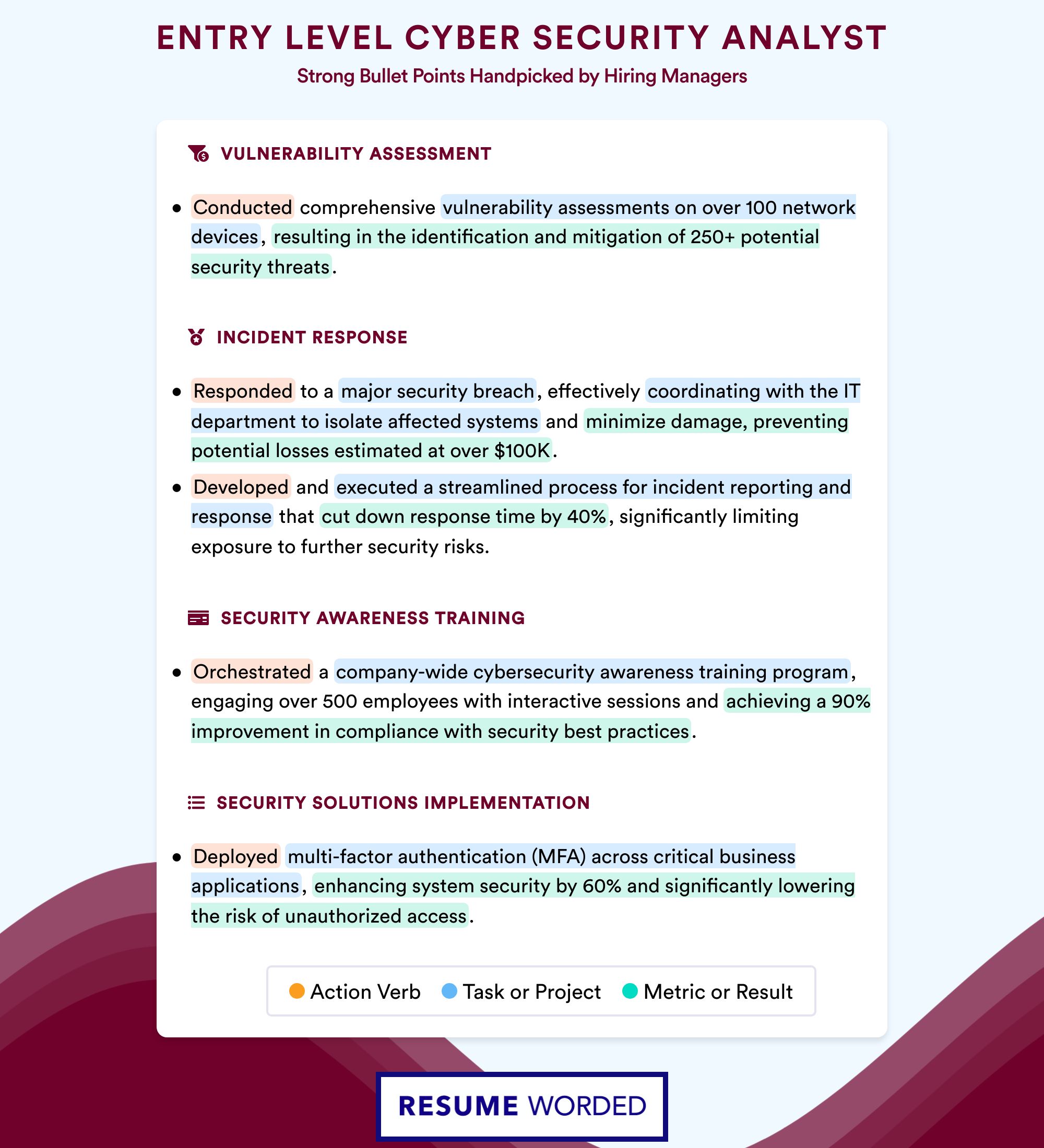
- “Monitored real‑time alerts in a SIEM environment, reducing false‑positive rates by 15%.”
- “Conducted penetration tests on campus web services using Burp Suite, uncovering three critical vulnerabilities.
- “Collaborated with network engineers to design segmentation policies that improved isolation of sensitive research data.”
These bullet points highlight impact, tools, and collaboration—three pillars recruiters search for.
Step 5: Leverage the Internship for Certification Exams
Many security certifications align closely with the tasks you’ll perform at IIT. Use the internship as a study aid:
- Prepare for the CompTIA Security+ exam by documenting every security control you encounter.
- If you’re leaning toward a more specialized path, such as cloud security, note the AWS or Azure configurations you audit.
- Ask your mentor for practice questions or mock incident‑response drills; they often have materials not publicly available.
Passing a recognized exam while still an intern sends a strong signal that you’re ready for full‑time responsibilities.
Step 6: Seek a Full‑Time Offer Before the Internship Ends
Timing matters. Around the midpoint of your stint, schedule a meeting with your supervisor to discuss future possibilities. Bring a brief summary of your achievements, the portfolio pieces you’ve created, and any certifications earned.
If a direct offer isn’t available, ask about:
- Extended project work that could transition into a graduate‑assistantship.
- Introductions to partner companies that regularly hire IIT graduates for security roles.
- Opportunities to present your case study at a campus or industry conference.
Even a “keep in touch” note can keep the door open for later recruitment cycles.
What to Expect After the Internship
Graduates who successfully convert their IIT internship into a job often report three common trends:
- Faster onboarding: Because they’ve already navigated the campus’s security infrastructure, new hires hit the ground running.
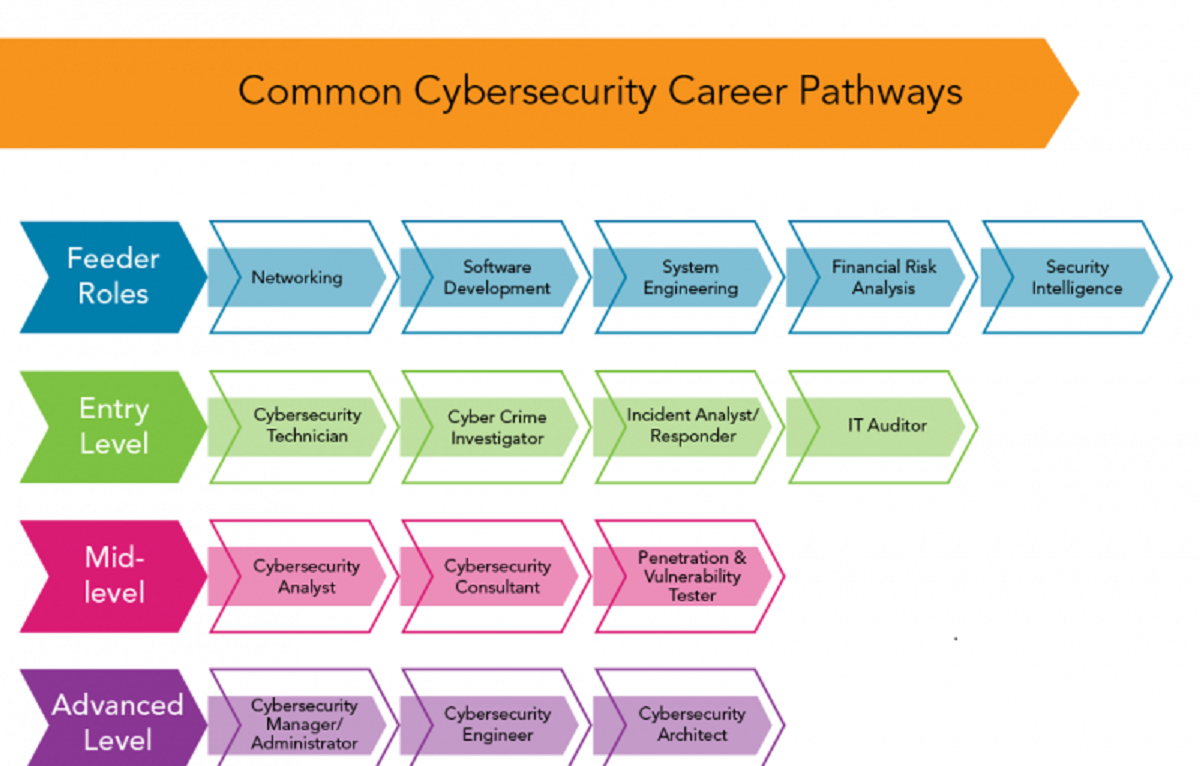
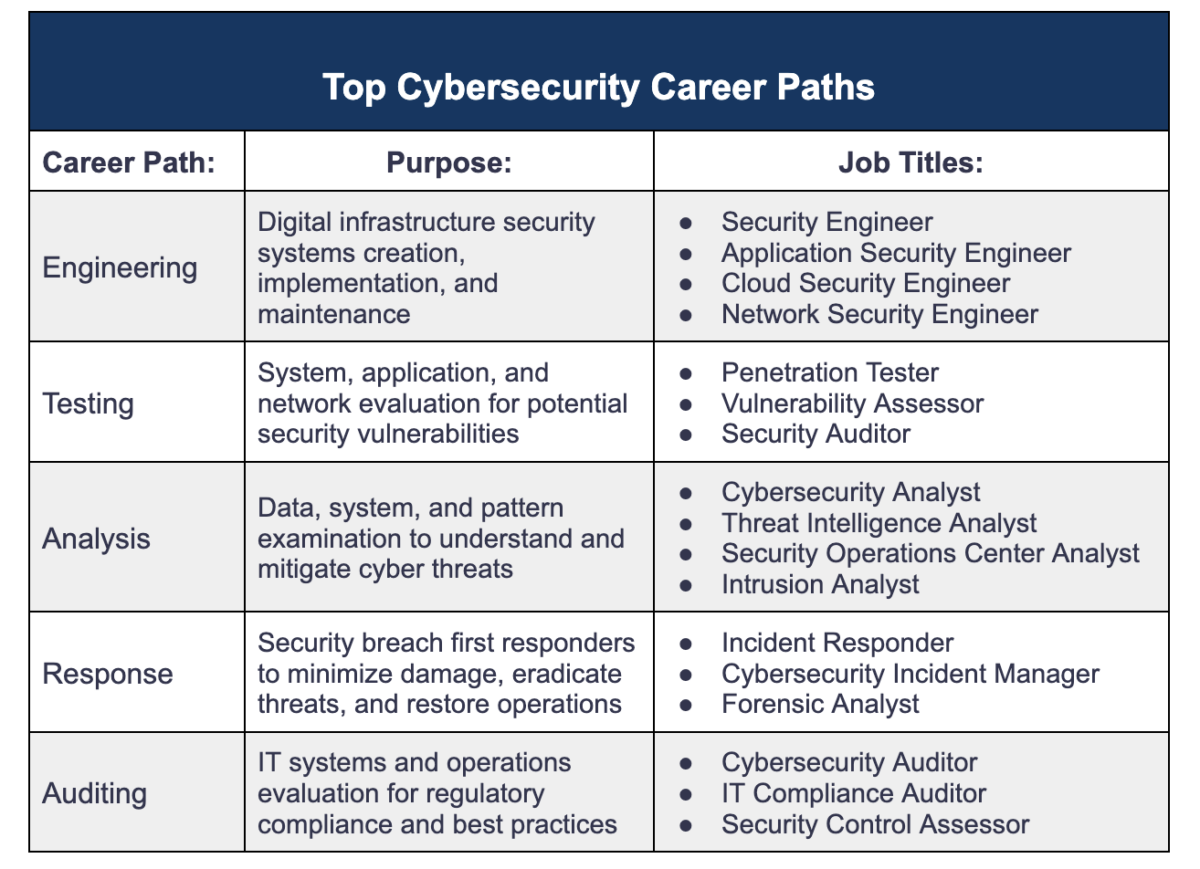
- Diverse role options: Employers see them as adaptable—able to move between SOC work, audit, and even security architecture.
- Higher salary brackets: The combination of hands‑on experience and certifications typically commands a premium over peers without internship exposure.
In short, the internship isn’t just a line on your résumé; it becomes a tangible advantage in the competitive cybersecurity job market.
Quick Checklist for Turning Your Internship into a Career
- Define 3‑5 specific learning goals before you start.
- Document every project and create at least two portfolio pieces.
- Network with faculty, peers, and industry alumni.
- Translate tasks into impact‑focused résumé bullets.
- Earn a relevant certification during the placement.
- Initiate a conversation about a full‑time role by month four.
Follow these steps, and you’ll find that an IIT security analyst internship is less a fleeting summer job and more a decisive step toward a lasting career in cybersecurity.