How Zimmermann’s Self‑Efficacy Theory Shapes Learning
When you hear “self‑efficacy,” you might picture a generic confidence boost. In reality, the concept digs deeper, especially through the lens of Zimmermann’s theory. Developed in the early 2000s, this framework bridges motivation, strategy use, and achievement, showing why some learners breeze through challenges while others stall.
What Sets Zimmermann’s Model Apart?
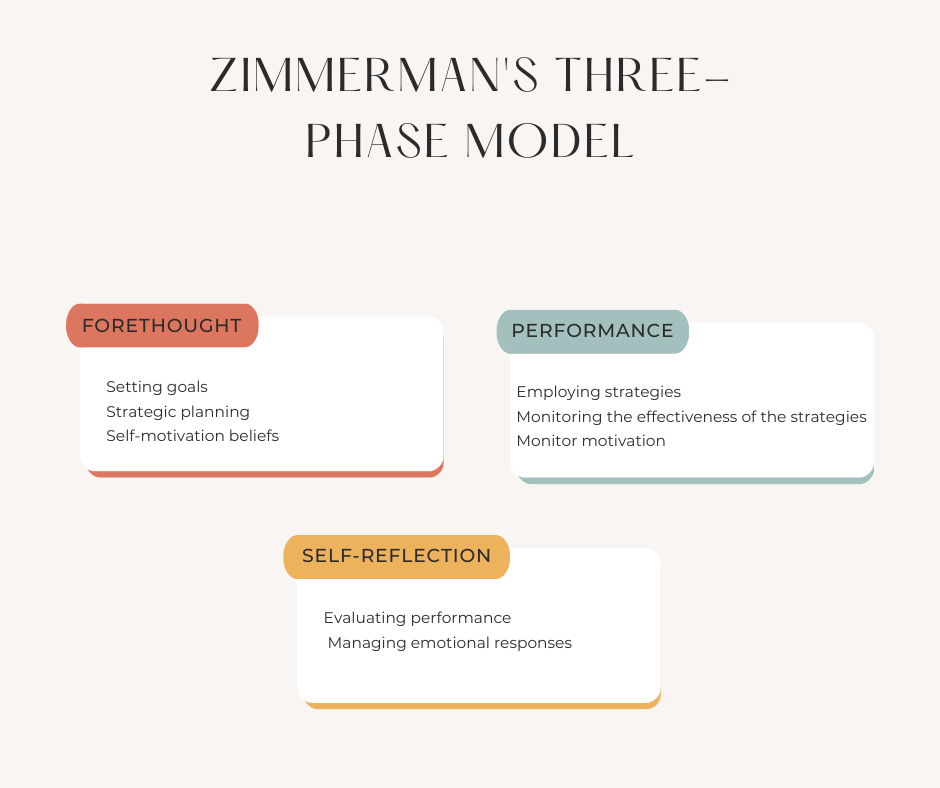
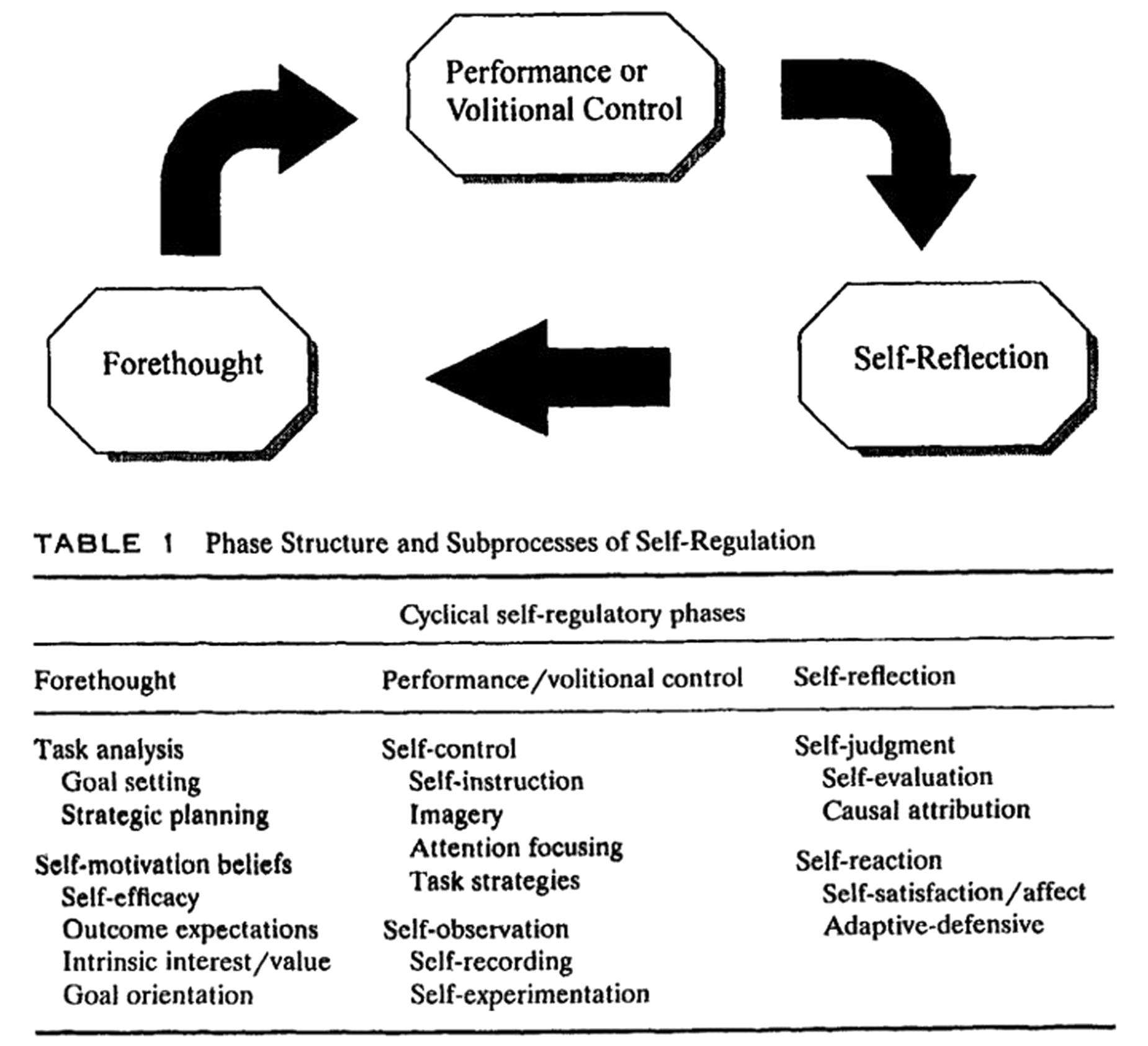
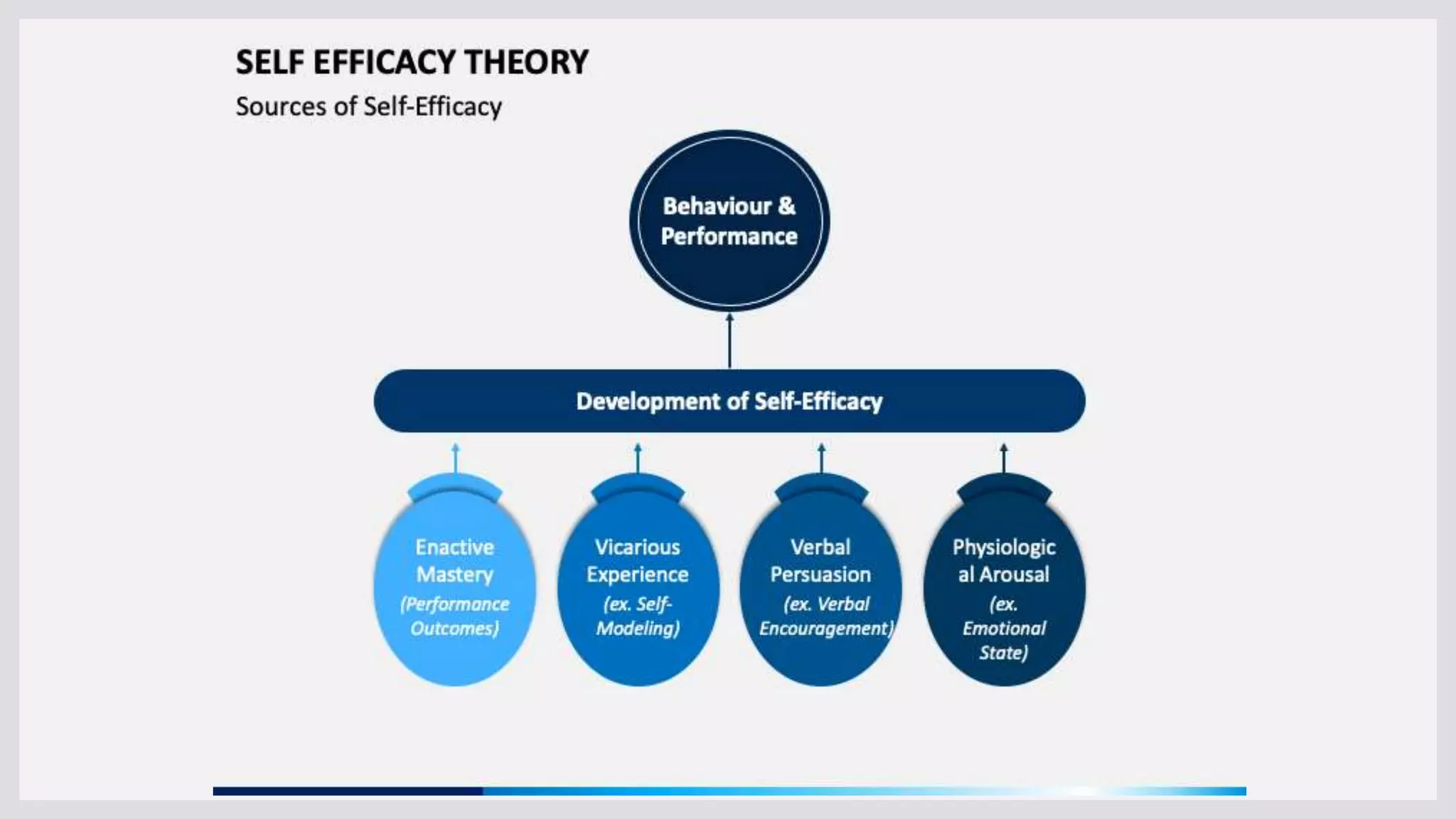
Traditional self‑efficacy research, anchored by Bandura, centers on belief in one’s abilities. Zimmermann expands the picture by weaving in three distinct phases of self‑regulation:
- Forethought – planning, goal‑setting, and anticipating obstacles.
- Performance – the actual execution of tasks, monitoring, and adjusting tactics.
- Self‑Reflection – evaluating outcomes and revising future plans.
This triadic cycle illustrates that efficacy isn’t static; it morphs as learners interact with their environment.
Forethought: The Planning Engine
Before any textbook opens, the forethought phase kicks in. Learners ask themselves:
- What exactly do I need to accomplish?
- Which strategies are most likely to work?
- Will I encounter any roadblocks?
Zimmermann argues that strong efficacy beliefs boost the likelihood of setting challenging yet attainable goals. Conversely, low confidence can lead to vague aims or even avoidance.
Goal‑Setting Tips Rooted in the Theory
Practical advice emerges when you translate theory into action:
- Specificity wins. Replace “study biology” with “summarize chapters 3‑5 and create flashcards for key terms.”
- Chunk it. Break larger tasks into micro‑steps; each completed piece reinforces efficacy.
- Anticipate hurdles. Write down potential distractions and pre‑plan how to sidestep them.
Performance: The Doing Phase
During the performance stage, learners juggle two crucial processes: monitoring and control. Monitoring means asking, “Am I on track?” Control involves tweaking strategies—maybe swapping a highlight‑heavy study method for a quick‑recall quiz.
Zimmermann notes that real‑time feedback—whether from a teacher, a peer, or a self‑generated test—acts as a catalyst for efficacy. Positive signals reinforce the belief that the chosen approach works; negative signals prompt a strategic pivot.
Strategies That Strengthen Efficacy On‑The‑Fly
- Use self‑questioning: pause every 15 minutes to ask, “Do I understand this paragraph?”
- Apply the Pomodoro technique to create natural checkpoints.
- Keep a brief “wins” log—note each small success to combat the creeping doubt that often follows intensive study.
Self‑Reflection: Learning From the Outcome
After the exam is graded or the project submitted, the reflection phase begins. Here, learners assess:
- Did I meet my original goal?
- Which strategies paid off?
- How does this affect my confidence for the next task?
Zimmermann emphasizes that accurate self‑assessment is essential. Over‑inflated praise can mask underlying skill gaps, while harsh self‑criticism can erode future motivation.
Balanced Reflection Practices
Try these simple habits to keep reflections constructive:
- Celebrate selectively. Highlight genuine progress rather than sweeping accolades.
- Identify one tweak. Pinpoint a single adjustment for the next round—too many changes overwhelm.
- Record insights. A brief journal entry (3‑5 sentences) solidifies learning and serves as a future reference.
Why Efficacy Matters Beyond the Classroom
Although the model originates in educational settings, its reach extends to professional development, sports, and even everyday tasks like cooking a new recipe. Whenever you set a goal, act on it, and then review the result, Zimmermann’s cycle is at work.
Consider a junior accountant learning a new software. Strong efficacy during forethought leads them to schedule focused tutorials. While performing, they monitor errors and adjust shortcuts. After mastering a module, reflection confirms competence, boosting confidence for the next, more complex feature. The loop repeats, each rotation strengthening both skill and belief.
Common Pitfalls and How to Sidestep Them
Even with a solid framework, learners stumble. Here are frequent missteps and quick fixes:
- Sticky goals. When goals become rigid, flexibility fades. Revisit them weekly and allow recalibration.
- Feedback neglect. Ignoring critique—especially negative—stunts growth. Seek at least one source of constructive input per task.
- Reflection avoidance. Skipping the debrief leads to repeated mistakes. Set a calendar reminder for a 5‑minute post‑task reflection.
Putting Zimmermann Into Practice Today
Ready to test the theory on your own learning journey? Start small:
- Pick a current challenge (e.g., mastering a chapter).
- Write a specific forethought plan using the goal‑setting tips above.
- During study, set a timer for monitoring checkpoints.
- After completion, jot down one success and one tweak.
Repeat the cycle, and you’ll likely notice a subtle shift: tasks feel less daunting, confidence rises, and progress becomes more measurable.
In the end, Zimmermann’s self‑efficacy theory reminds us that belief and action are intertwined. By consciously navigating forethought, performance, and reflection, we turn vague confidence into a reliable engine for learning—and for any endeavor that demands growth.