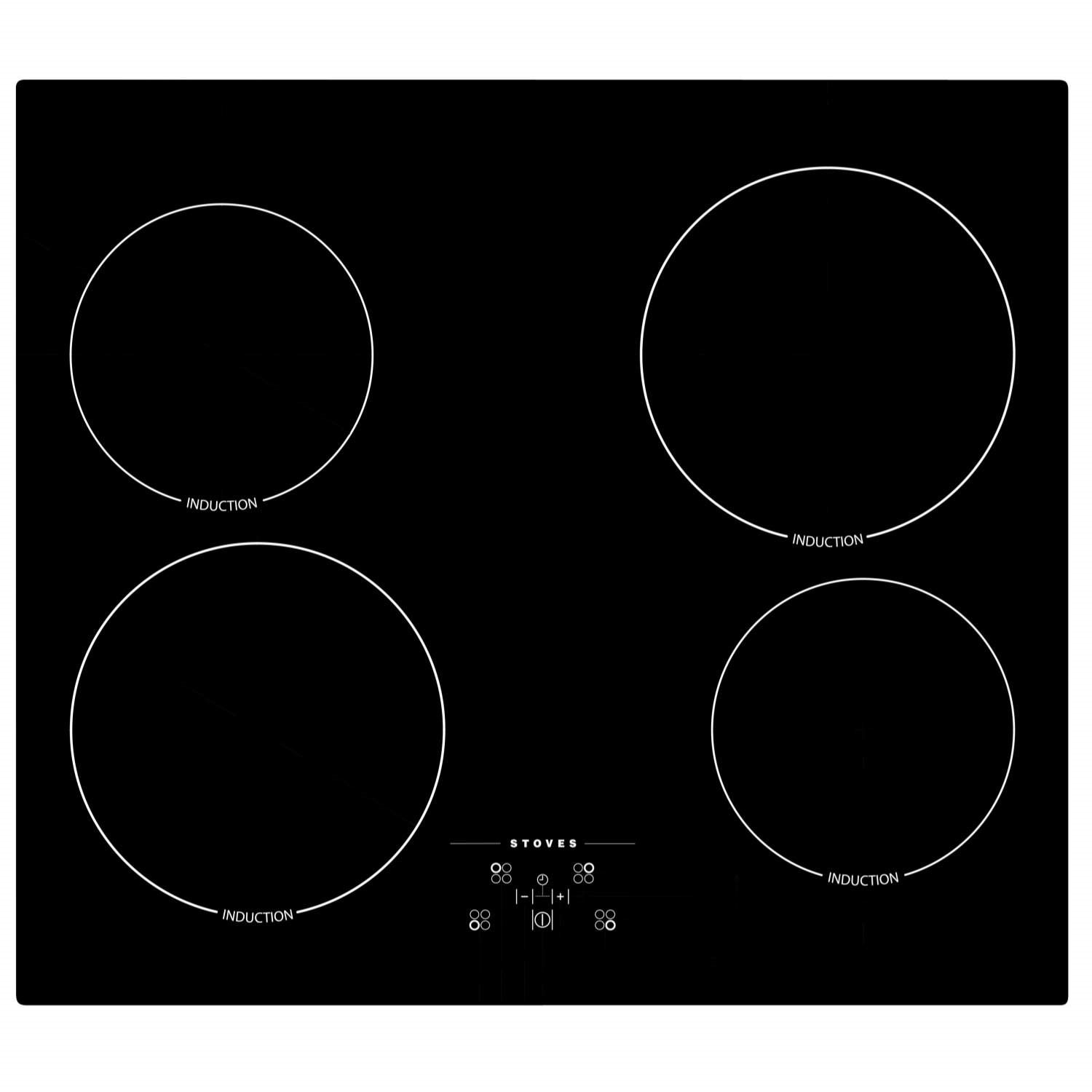
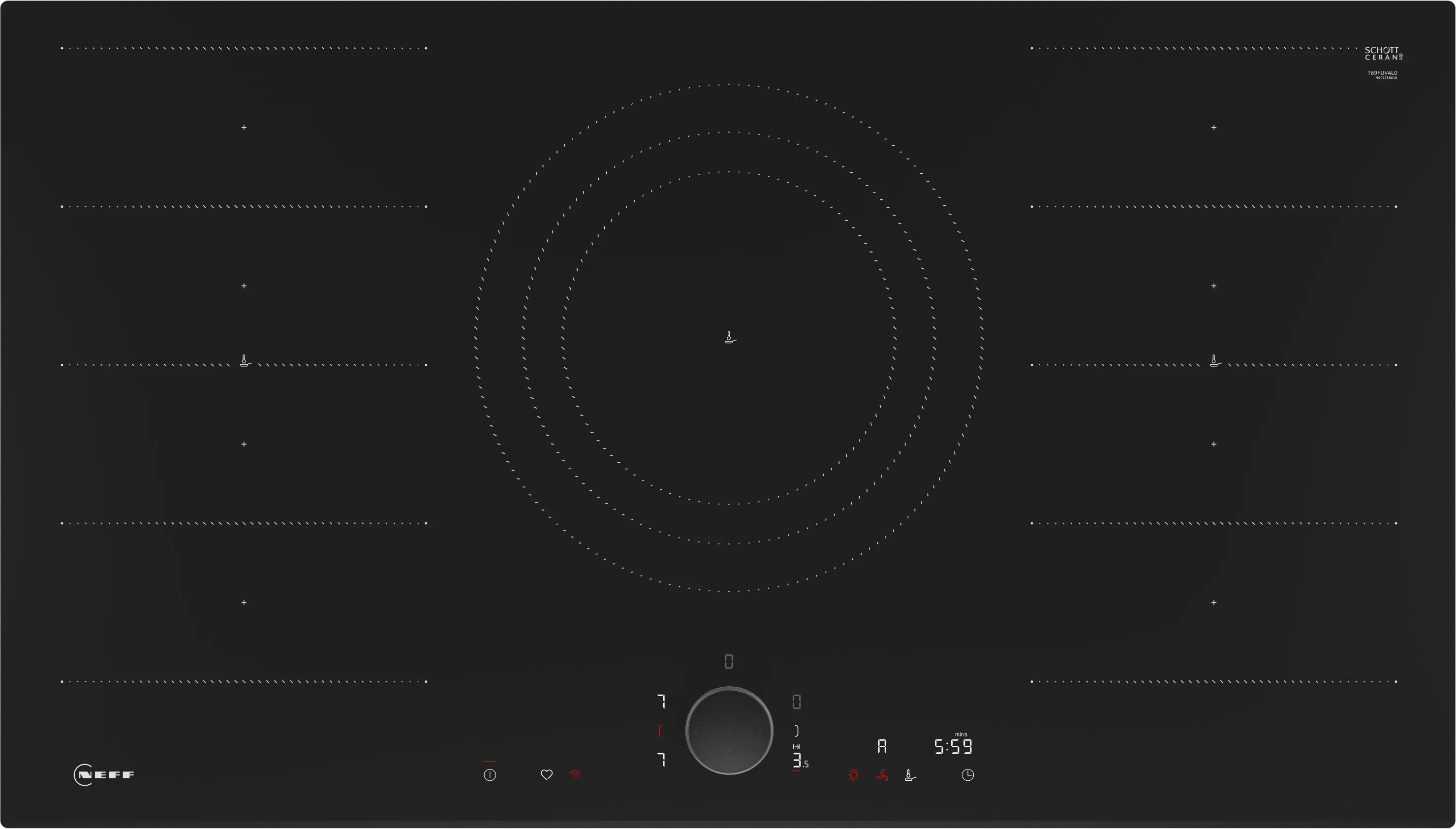
Inside Look Induction Hob: Deciphering the ‘Lo’ Error Code
Staring at that blinking “Lo” on your induction cooktop can feel like a tiny mystery wrapped in a kitchen appliance. It isn’t a cryptic fault line, but a fairly straightforward alarm that most users can troubleshoot without tearing the hob apart. Below we peel back the layers, explore why the code shows up, and give you a practical roadmap to get cooking again.
What Does “Lo” Actually Indicate?
In the world of induction technology, “Lo” typically stands for “Low Voltage.” The hob’s internal controller monitors the incoming power; if it dips below a preset threshold, the safety routine kicks in and displays the error.
This safeguard prevents damage to the magnetic coil and the electronic circuitry. In short, the hob is saying, “I’m not getting enough juice to run safely.”
Typical Triggers Behind the Low‑Voltage Warning
Power Supply Fluctuations
Older homes, overloaded circuits, or a sudden spike in other appliances can cause momentary drops. Even a loose plug can sabotage the steady flow of electricity.
Faulty Internal Components
A worn‑out capacitor, a failing transformer, or a damaged voltage sensor may misread the supply and falsely trigger “Lo.”
Incorrect Installation
If the hob wasn’t wired to a dedicated 15‑amp (or higher) circuit, the shared load can dip when another device powers on, prompting the alarm.
Step‑by‑Step Diagnosis and Fixes
Before you pull the warranty card, run through this checklist. Most steps require only a screwdriver and a volt‑meter.
- Check the plug and cord. Ensure the plug is fully seated in the outlet. Look for scorch marks or frayed wires.
- Verify the circuit rating. Open the breaker panel; the hob should be on a dedicated line rated for at least 15 A.
- Measure the voltage. Using a multimeter, place the probes on the live and neutral pins. You should read between 220‑240 V (or 110‑120 V in North America). Anything substantially lower signals a supply issue.
- Reset the hob. Turn off the breaker for a full minute, then switch it back on. Many models clear transient errors this way.
- Inspect internal fuses. If you’re comfortable removing the rear panel, locate any fuse blocks. A blown fuse will need replacement with the exact same rating.
- Look for error‑code patterns. Some brands flash “Lo” repeatedly, then switch to “E1” or “E2.” Note the sequence – it can hint at a specific component.
If after these steps the display still reads “Lo,” the culprit likely lies deeper inside the electronics. At that point, professional service is advisable.
When Professional Help Is Worth the Call
Induction hobs are sophisticated; their high‑frequency coils and control boards aren’t cheap to replace. Consider a technician if you encounter any of the following:
- Repeated “Lo” alerts despite a stable voltage reading.
- Visible damage to the PCB or burnt components.
- Unusual noises (buzzing or clicking) before the error lights up.
- Your warranty is still active – tampering could void it.
A certified service rep can run diagnostic software, replace the voltage sensor, or recalibrate the unit to its original specifications.
Preventive Tips to Keep “Lo” at Bay
Maintaining a stable power environment is the easiest armor against low‑voltage warnings.
- Use a dedicated circuit. Plug the hob into its own breaker; avoid daisy‑chain extensions.
- Upgrade outdated wiring. If your home predates modern appliances, an electrician’s inspection can spot undersized cables.
- Install a surge protector. While not a cure‑all for low voltage, it shields the hob from spikes that could fry sensitive parts.
- Avoid simultaneous high‑draw devices. Running a dryer, HVAC, and the hob on the same line can push voltage below safe limits.
Even a quick visual inspection each month – checking for loose plugs or scorch marks – can catch problems before they trigger an error.
What About “Lo” on Different Brands?
Manufacturers sometimes label the same fault differently. For example, Samsung might show “L‑O” while Bosch prefers “Low”. Yet the underlying principle remains the same: insufficient supply.
If you own a multi‑brand kitchen, consult the specific user manual. Most include a troubleshooting chart that maps “Lo” to the exact voltage range required.
DIY: Resetting the Hob Without a Technician
Sometimes a simple power cycle does the trick. Here’s a quick reset routine:
- Turn off the main breaker for the hob.
- Leave the power off for 60 seconds – this drains residual charge.
- Press and hold the “Power” button on the hob for five seconds.
- Flip the breaker back on and watch the display. If “Lo” disappears, you’ve cleared a transient glitch.
Remember, this method only works if the error stems from a temporary dip, not a hardware fault.
Key Takeaways for the Savvy Cook
Understanding the “Lo” error equips you to act fast, avoid unnecessary service calls, and keep your induction hob humming safely. Keep an eye on your home’s electrical health, follow the step‑by‑step guide above, and you’ll likely resolve the issue without breaking a sweat.