Is Tesla Driving Disruptive or Sustaining Innovation?
When you hear the name Tesla, the image that pops into mind is often a sleek electric sedan silently gliding down a highway. Yet the conversation surrounding the company runs deeper than sleek designs and zero‑emission bragging rights. At its core, the debate asks whether Tesla is truly disruptive—shaking up entire industries—or simply a sustaining player improving upon what already exists. The answer isn’t black and white, and the nuances are worth unpacking.
Understanding the Two Innovation Paths
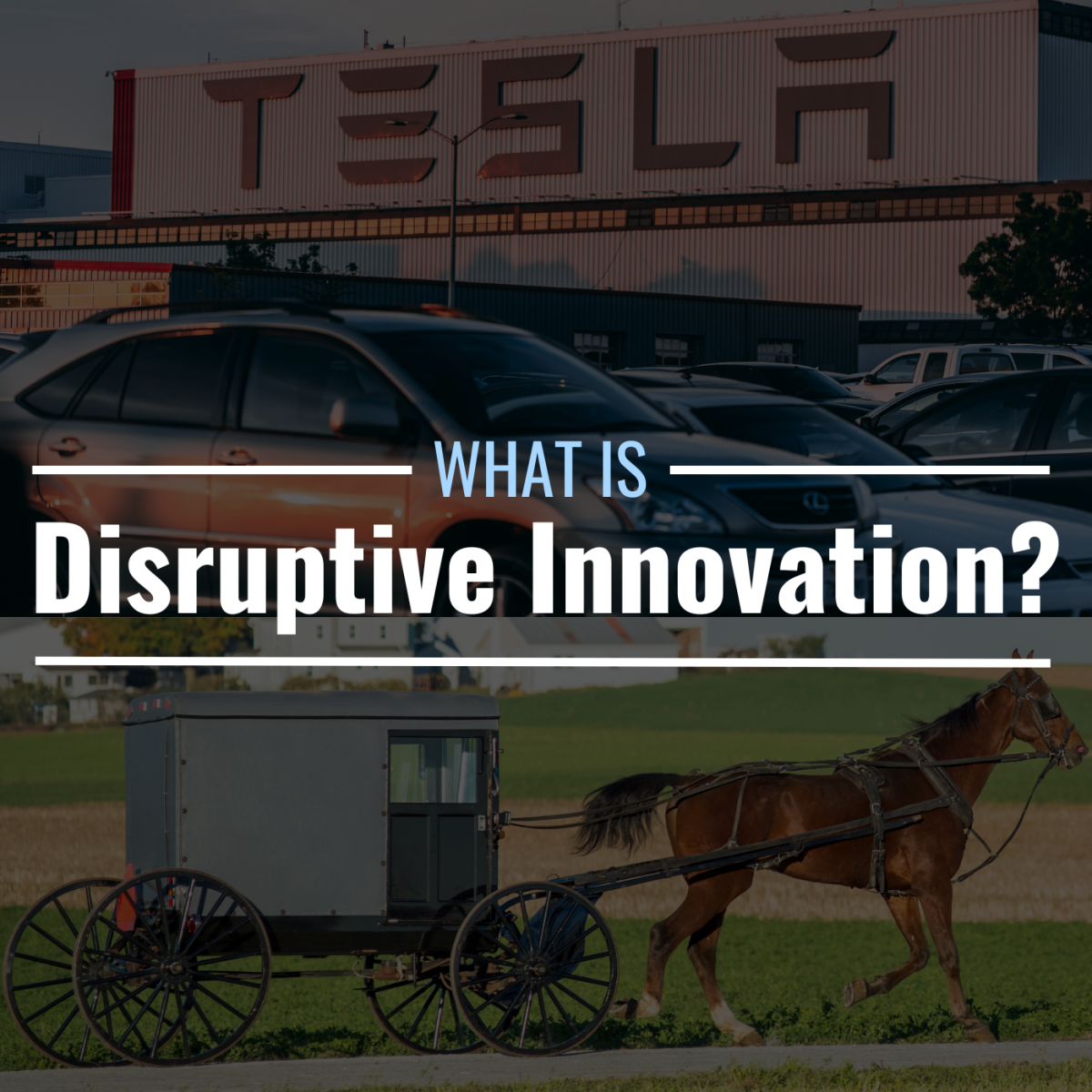
In the world of business strategy, disruptive innovation describes breakthroughs that create new markets or radically transform old ones. Think of the first smartphones displacing the traditional cell phone. Sustaining innovation, on the other hand, refines and enhances existing products, allowing incumbents to stay competitive without overturning the status quo.
Both approaches have their place, but they demand different mindsets, resources, and risk tolerance. Tesla’s journey offers a case study that straddles both lines, especially when you look at its product line, manufacturing methods, and broader ecosystem.
Where Tesla Looks Disruptive
- Battery Architecture – By pioneering the 2170 and, more recently, 4680 cell formats, Tesla introduced a chemistry and form factor that rivals traditional lithium‑ion packs in energy density and cost per kilowatt‑hour.
- Direct‑to‑Consumer Sales – Skipping franchised dealerships, Tesla sells cars online and through its own showrooms, sidestepping the old‑school dealership model that has governed auto sales for a century.
- Software‑Centric Vehicles – Over‑the‑air updates mean a Tesla can gain new features—or even performance boosts—without a dealer visit, a concept that feels more like a smartphone operating system than a car.
- Energy Integration – The company’s solar roofs, Powerwall home batteries, and grid‑scale storage present a holistic energy ecosystem, blurring the line between transportation and power supply.
Each of these moves has forced legacy automakers and utilities to rethink their playbooks, which is the hallmark of disruption.
Elements of Sustaining Innovation in Tesla’s Playbook
While the headline‑grabbing breakthroughs dominate headlines, Tesla also leans heavily on classic sustaining tactics.
Incremental Model Updates
New Model S and Model X variants arrive with modest upgrades—improved interiors, marginally better range, refined autopilot functionalities. These are the kind of refinements that keep existing customers loyal and attract incremental sales, a textbook sustaining move.
Supply‑Chain Partnerships
Despite its reputation for vertical integration, Tesla still relies on external suppliers for key components—chips from Nvidia, tires from Michelin, and glass from Panasonic. Managing these relationships to improve cost or quality aligns with the sustaining mindset of incremental efficiencies.
Manufacturing Scale
Gigafactories are massive, but the core idea—producing more of the same product at a lower cost—mirrors traditional mass‑production tactics used by decades‑old automakers. The focus is on economies of scale rather than a radical new way of building cars.
Why the Lines Blur
One reason the debate feels unsettled is that Tesla doesn’t fit neatly into a single quadrant of the innovation matrix. The company often launches a disruptive technology, then spends years perfecting it through sustaining efforts.
- Its autopilot system began as a novel driver‑assist feature, but each subsequent iteration adds layers of safety and user convenience—a sustaining process built on a disruptive foundation.
- The Model 3 disrupted the market with its price point, yet production ramp‑up required classic sustaining practices—standardization, supply‑chain optimization, and waste reduction.
In short, disruption can be the spark; sustaining practices keep the fire burning.
Industry Reaction: A Mixed Bag
Legacy automakers like Ford and General Motors have publicly acknowledged Tesla’s impact, launching their own electric lines and, in some cases, mimicking its direct‑sale approach. However, many of these responses are incremental—adding an electric variant to an existing platform rather than reinventing the platform itself.
Meanwhile, tech giants such as Apple and Google have dipped their toes into the automotive arena, focusing on software and services rather than building cars from the ground up. Their entry points echo Tesla’s disruptive software ethos, showing that the ripple effect spreads beyond the auto industry.
What This Means for Investors and Consumers
For investors, Tesla’s dual‑track strategy suggests a mixed risk profile. Disruptive bets—like the rollout of fully autonomous driving—offer high upside but also high uncertainty. Sustaining moves—such as expanding battery production capacity—provide steadier, more predictable returns.
Consumers, on the other hand, benefit from both worlds: groundbreaking features that feel futuristic, paired with the reliability and incremental improvements they’ve come to expect from traditional carmakers.
Looking Ahead: The Next Frontier
Future developments could tip the balance further toward disruption. If Tesla manages a commercially viable fully autonomous fleet, the ripple could reshape urban planning, insurance, and logistics. Conversely, if the company focuses on scaling existing models and refining battery chemistry, it will cement its role as a sustaining powerhouse.
Either way, the conversation isn’t about choosing one over the other; it’s about recognizing how Tesla blends both approaches to stay ahead of the curve.
So, is Tesla the archetype of disruptive innovation, a master of sustaining refinement, or a hybrid that redefines the categories themselves? The evidence points to a bit of all three, reminding us that real-world innovation rarely fits into tidy boxes.