Protecting Your New Car Paint: The Ultimate Long-Term Care Guide
Why That Fresh Shine Fades Faster Than You Think
There is nothing quite like the smell of a brand-new car and that deep, mirror-like gloss reflecting the showroom lights. It’s a heady moment. But let’s be honest: that factory finish is a work in progress, not a finished product. Most people wash their new car, drive it home, and assume they’re done. That’s when the real damage starts.
Car paint isn’t just color. It’s a complex lacquer system designed to resist elements, but it’s not invincible. Without immediate and ongoing protection, UV rays, road salt, bird droppings, and acidic rain will eat away at that clear coat within months. The difference between a car that looks showroom-fresh after three years and one that looks dull and oxidized comes down to protection rituals established from day one.
The First 30 Days: Critical Protection Windows
When you pick up your new vehicle, the paint is essentially "naked" or coated with a thin layer of temporary assembly wax. This factory wax helps during shipping but offers negligible long-term defense. You have a window of opportunity here. Ideally, within the first week, you should apply a durable protective layer.
Your options generally fall into three categories: waxes, sealants, or ceramic coatings.
- Carnauba Wax: The classic choice. It provides a deep, warm glow that many enthusiasts swear by. However, it lasts only four to six weeks. You’ll need to reapply frequently, which is tedious if you want consistent protection.
- Synthetic Sealants: These are polymer-based and last significantly longer—often three to six months. They offer better UV resistance and are easier to remove than wax if you decide to upgrade later.
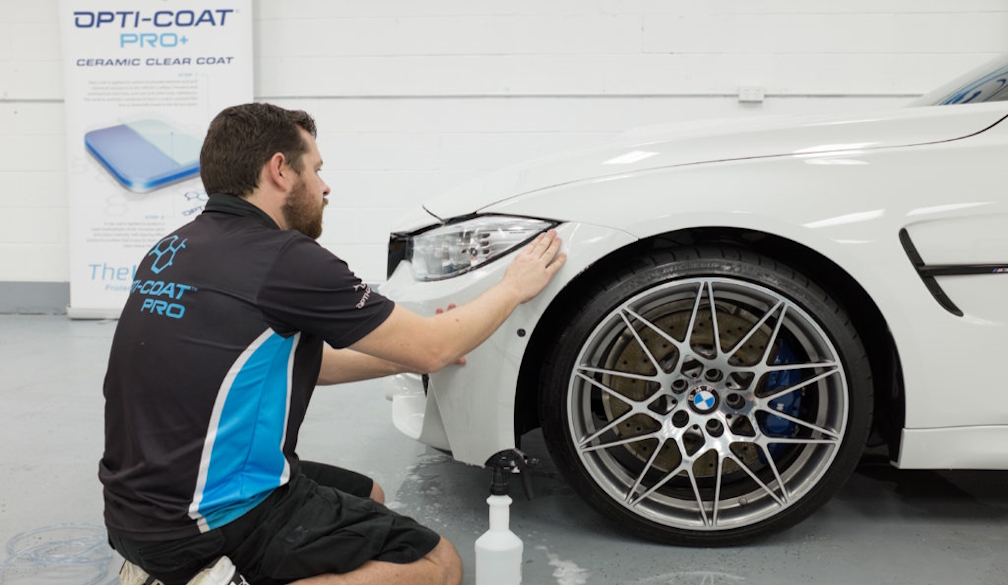
- Ceramic Coatings: This is the heavy hitter. A professional-grade ceramic coating bonds chemically to the paint, creating a hydrophobic shield that can last two to five years. It repels water, dirt, and contaminants with ease. For a new car, this is often the best investment for long-term sanity.
Regardless of your choice, the surface must be immaculate before application. Any dust trapped under a coating becomes a permanent scratch magnet. A proper clay bar treatment and polish before sealing is non-negotiable.
The Washing Ritual: Less Traffic, More Care
Most paint damage doesn’t come from sun or rain; it comes from the owner. Specifically, from bad washing techniques. Car washes, especially automated ones with spinning brushes, are the enemy of new paint. Those brushes harbor grit from the previous hundred cars and drag that abrasive dust across your finish, creating swirl marks.
Hand washing is the gold standard. But not just any hand wash. You need the "two-bucket method." One bucket holds your soapy water, the other holds clean rinse water. You rinse your microfiber mitt in the clean water before dipping it back into the soap. This ensures you’re not scrubbing dirt back into the paint.
Use a pH-neutral car shampoo. Dish soap cuts grease effectively, but it also strips away your wax and sealant. Avoid it unless you’re actively removing a coating. Dry your car with a clean, plush microfiber towel using a patting motion rather than dragging. Dragging creates those fine, web-like scratches known as “holograms” that ruin the reflection.
Dealing with the Everyday Nasties
Life happens. Birds land on your hood. Trees drip sap. Traffic leaves tar. These contaminants are acidic and will etch into clear coat if left unchecked. Bird droppings, in particular, can burn through paint in hours during hot weather.
Keep a bottle of quick detailer spray in your trunk. It’s not a replacement for a wash, but it’s a lifesaver for spot cleaning. Spray it on the contaminant, let it dwell for a few seconds to lubricate the surface, and gently wipe it away. Don’t dry wipe. Never. Dry wiping is the fastest way to introduce scratches.
If you have a ceramic coating, these contaminants slide off much easier. That’s one of the primary benefits beyond the visual sheen. It reduces the adhesion of grime, making maintenance less of a chore.
Storage and Environmental Factors
Where you park matters more than you’d think. Direct sunlight acts as a magnifying glass for UV degradation. If you have a garage, use it. If you don’t, invest in a high-quality, breathable car cover. Not the cheap plastic ones—they trap moisture and cause mold—but a woven, soft-lining cover designed for long-term storage.
Avoid parking under trees. Sap is a nightmare to remove, and falling branches are an obvious risk. Even dead leaves can stain paint with sap and acids as they decompose. It’s a small hassle, but finding a spot away from overhangs makes a huge difference over time.
Maintenance Overhaul: Annual Check-Ups
Protection isn’t a one-time event. Even ceramic coatings degrade. They lose their hydrophobic properties over time. You’ll notice water no longer beads up but instead sheets or pools on the surface. This is your cue to refresh.
Once a year, perform a full decontamination wash. Use an iron remover spray to pull out metallic particles from brake dust. Follow up with a clay bar to smooth out any bonded surface contaminants. Then, assess your protective layer. If it’s wax or sealant, reapply. If it’s ceramic, you might just need a "topper" spray designed to boost ceramic coatings, or in later years, a professional recoat.
Think of your car’s paint like your skin. You wash it lotion it, and you protect it from the sun. Neglect it, and the damage shows. Protect it properly, and that new-car glow stays alive for the dealership’s entire ownership tenure. It’s not about vanity; it’s about preservation. A car with pristine paint retains its value far better than one with a compromised finish. The effort you put in now pays out when it’s time to trade in or sell. Start simple, be consistent, and keep it clean.