Strategic Frameworks for Sharia-Compliant Financial Management
The world of finance is shifting. For decades, the dominant model was built on interest, speculative leverage, and high-risk debt. But a distinct alternative has matured into a robust system: Sharia Economic Financial Management. It is not merely a religious obligation for Muslims; it is a disciplined approach to wealth creation that emphasizes ethical conduct, risk-sharing, and tangible asset backing. Understanding these concepts is essential for anyone looking to navigate the growing landscape of Islamic finance or simply seeking a more value-aligned investment strategy.
Core Principles of Sharia Finance
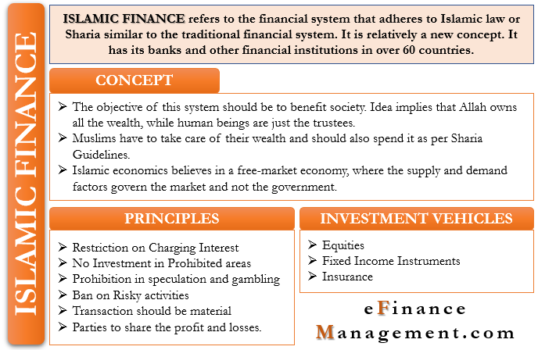
At its heart, Sharia finance isn't just about what you can't do. It is about why certain financial activities are prohibited. The restrictions serve as a filter against systemic risk and moral hazard. When you strip away the theological language, the core principles translate into sound economic safeguards that any prudent manager can appreciate.
The most significant prohibition is on riba, which refers to interest. Charging or paying interest is seen as exploitative because it guarantees a return to the lender regardless of the borrower's success or failure. This disconnects finance from the real economy. If a company fails, the bank still gets its interest, often accelerating the firm's collapse. Sharia-compliant management avoids this by linking returns to performance and asset value.
Another critical concept is the avoidance of gharar, meaning excessive uncertainty or ambiguity. In conventional finance, complex derivatives and speculative futures can be based on little more than the hope that a price will move in a certain direction. Sharia standards require contracts to be clear, with known quantities, prices, and delivery times. This reduces the likelihood of disputes and ensures that both parties understand exactly what they are trading.
Finally, there is the prohibition of maysir, which translates to gambling or pure chance. Investing in an enterprise requires due diligence and contribution to value creation. Betting on the fluctuation of a commodity without owning it is considered akin to gambling. This principle forces investors to focus on fundamental analysis and long-term growth rather than short-term speculation.
Key Strategic Instruments
Having understood the "don'ts," we must look at the "dos." Sharia Economic Financial Management relies on contractual structures that are asset-backed and profit-sharing. These instruments are the engines of the system.
- Mudarabah: This is a partnership where one party provides capital (the investor) and the other provides expertise and labor (the manager). Profits are shared according to a pre-agreed ratio, but losses are borne solely by the capital provider, unless the manager is negligent. This aligns incentives perfectly; the manager only wins if the investor wins.
- Musharakah: A joint venture where all parties contribute capital and share management responsibilities. Profits and losses are shared based on capital contribution and effort. This is often used in project financing or large corporate structures.
- Ijarah: Essentially leasing. Instead of borrowing money to buy machinery, a Sharia-compliant institution buys the asset and leases it to the business. The business pays rent, which includes a markup for the institution's profit. Ownership of the asset remains with the financier until the lease ends, often with an option to purchase.
- Sukuk: Often called Islamic bonds, but they function differently. Sukuk represent ownership in an underlying asset, not a debt obligation. Investors receive a share of the profits generated by that asset. If the asset value drops, the Sukuk holders bear the loss, mirroring equity risk.
Implementing Effective Management Strategies
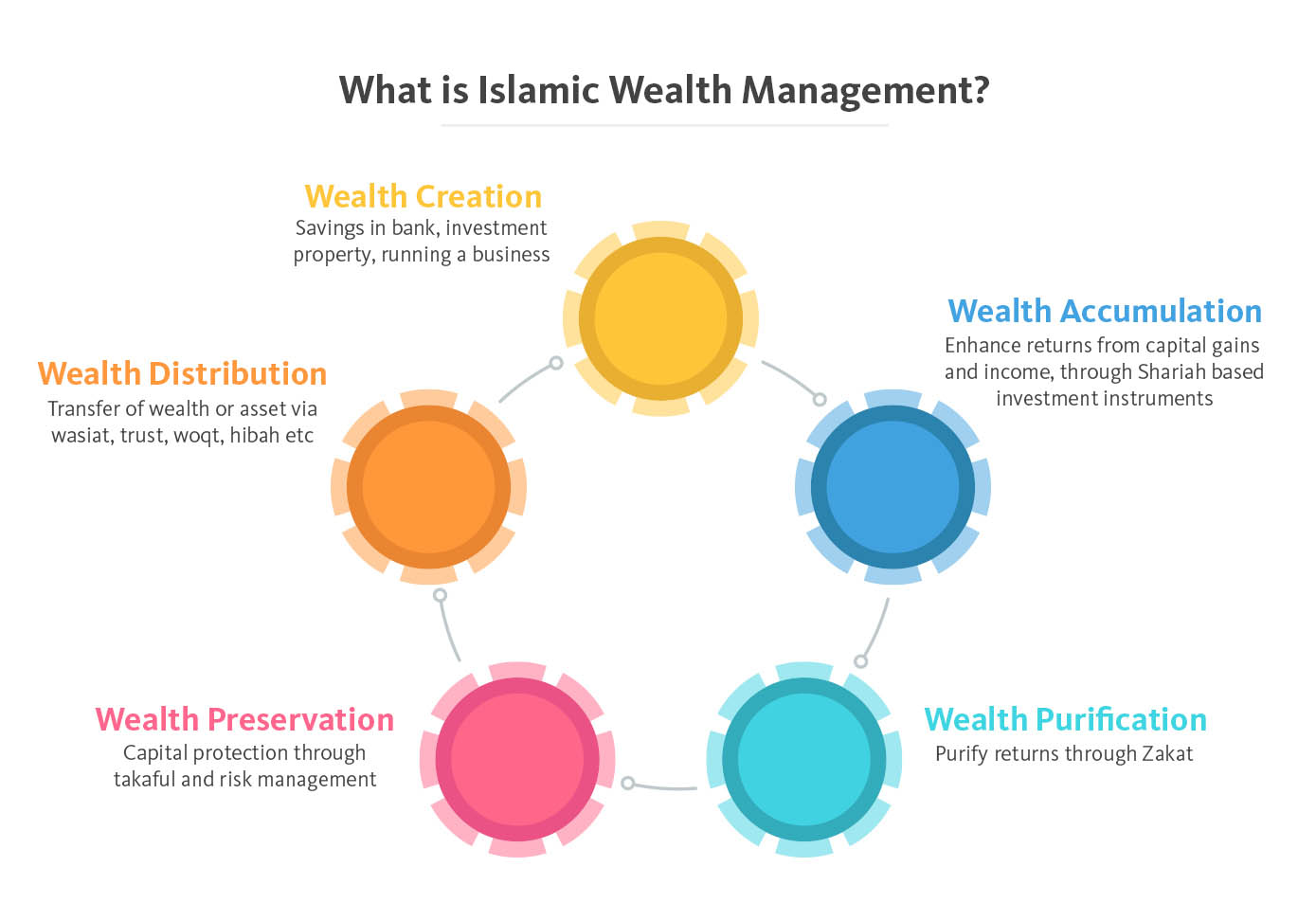
Managing finances under Sharia guidelines requires a different mindset than conventional banking. It is less about leveraging debt and more about optimizing assets and equity.
Asset-Backed Financing is Non-Negotiable
Every transaction must have a real economic footprint. You cannot trade money for money at a premium. Every financial instrument must be tied to a tangible asset, service, or commodity. This means financial managers must have deep knowledge of the underlying industries. You cannot just issue a Sukuk based on future receivables; you need actual assets to back the issuance.
Shifting from Debt to Equity Thinking
Conventional firms often chase high debt-to-equity ratios to maximize returns via leverage. In Sharia management, this is limited. Instead, the focus shifts to improving operational efficiency and equity performance. This creates a more stable balance sheet. While it may limit explosion-growth phases fueled by cheap credit, it significantly reduces the risk of bankruptcy during economic downturns. The 2008 financial crisis highlighted this; Islamic banks were largely unaffected because they did not hold mortgage-backed securities or engage in toxic derivatives.
Integrated Screening Processes
For portfolio management, strategies must include rigorous screening. This is two-fold. First, sector screening eliminates industries prohibited in Islam, such as alcohol, gambling, pork, and conventional insurance (due to its speculative nature). Second, financial ratio screening ensures that even permissible companies do not rely too heavily on interest-bearing debt or non-Sharia-compliant income. Many firms use thresholds, such as ensuring interest-bearing debt is less than 30% of total assets.
The Modern Relevance of Sharia Finance
There is a misconception that this is a niche market for a specific demographic. In reality, the principles of Sharia Economic Financial Management resonate with the broader trend toward ESG (Environmental, Social, and Governance) investing. Both frameworks emphasize ethics, transparency, and social responsibility.
As global markets become more volatile, the stability offered by asset-backed, risk-sharing models is becoming increasingly attractive. Institutions are adopting Sharia-compliant structures not just for religious compliance, but for their inherent risk management benefits. The discipline required to avoid gharar and riba forces a clarity and prudence that is often overlooked in conventional high-frequency trading.
For financial managers, mastering these concepts isn't just about opening a new market. It is about expanding the toolkit. It offers a way to structure deals that are fairer, more transparent, and resilient against systemic shocks. Whether through a Mudarabah investment vehicle or an Ijarah leasing agreement, the strategic application of these principles creates value that lasts beyond the quarterly report.
Frequently Asked Questions
Is Sharia financial management only for Muslim investors?
No. While rooted in Islamic law, the principles attract non-Muslim investors seeking ethical, stable, and socially responsible investment options. The focus on asset-backed transactions and risk-sharing appeals to a broad audience concerned with market stability and corporate governance.
How does a Sukuk differ from a conventional bond?
A conventional bond is a debt instrument where the issuer pays interest to the bondholder. A Sukuk represents partial ownership in an underlying asset. Instead of interest, Sukuk holders receive a share of the profits generated by that asset. If the asset fails, the investors share the loss, whereas bondholders are still owed interest in conventional finance.
Can I use Sharia strategies in non-Muslim majority countries?
Yes. Many Western countries now offer Sharia-compliant banking services, investment funds, and brokerage accounts. Regulatory frameworks in places like the UK, Malaysia, and parts of the US have adapted to accommodate these structures, making them accessible to residents regardless of religious background.
Does Sharia finance limit investment returns?
Not necessarily. While some high-yield speculative opportunities are excluded, the risk-adjusted returns of many Sharia-compliant funds have historically been competitive. By avoiding highly leveraged and speculative assets, these portfolios often demonstrate greater resilience during market crashes, preserving capital better in the long run.