Top Fixed Asset Accounting Software Reviews & Guide
Managing fixed assets is rarely the most exciting part of running a business, but it is absolutely critical for accurate financial reporting. One misplaced receipt or a depreciation error can ripple through your balance sheet, causing headaches for accountants and auditors alike. If you are still tracking laptops, delivery vans, and heavy machinery in a spreadsheet, you are leaving money on the table and inviting compliance risks. That is where the right fixed asset accounting software comes in to save the day.
The market is crowded with options, each promising to simplify asset lifecycle management. But not all tools are created equal. Some are lightweight apps meant for startups with a handful of items, while others are robust enterprise platforms designed to handle thousands of assets across multiple locations. Choosing the wrong one can lead to more work, not less. In this guide, we will break down what to look for, review some of the top contenders, and help you decide which tool actually fits your operational needs.
Why Dedicated Asset Software Beats Spreadsheets
It is tempting to stick with Excel. It is familiar, free (if you already have Office), and flexible. But flexibility is also its biggest weakness when it comes to fixed assets. As your company grows, so does the volume of data. Manually calculating depreciation schedules using straight-line, declining balance, or sum-of-years-digits methods is tedious and prone to human error.
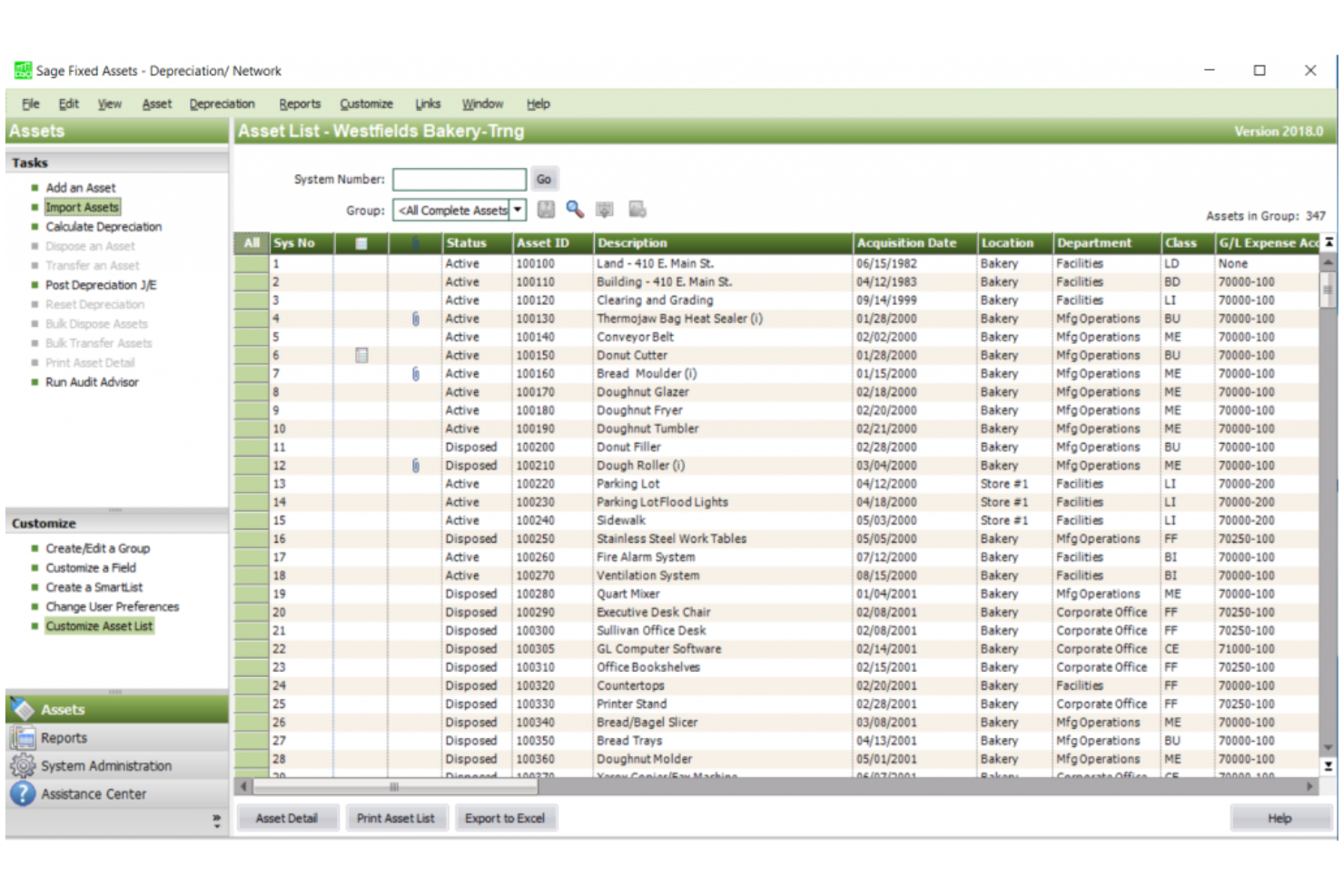
Dedicated software automates these calculations. It handles the heavy lifting of capitalization, depreciation runs, and disposal tracking. More importantly, it creates an audit trail. When an auditor asks for proof of an asset’s historical cost or its current book value, you can pull that report in seconds rather than spending hours digging through archived emails and paper invoices. This level of efficiency and accuracy is non-negotiable for any business serious about financial health.
Key Features to Evaluate
Before diving into specific brands, you need to understand the core capabilities that separate good software from great software. Not every feature is essential for every business, but these are the standards you should expect.
- Automated Depreciation: The software must support local tax regulations and offer multiple depreciation methods. It should update schedules automatically as assets are added, retired, or sold.
- Integration Capabilities: Your asset register does not exist in a vacuum. It needs to talk to your general ledger. Seamless integration with platforms like QuickBooks, Xero, NetSuite, or SAP is crucial to avoid double entry.
- Barcode or RFID Tracking: Physical inventory checks are a drag, but they are necessary. Tools that generate scannable labels make audits faster and more accurate.
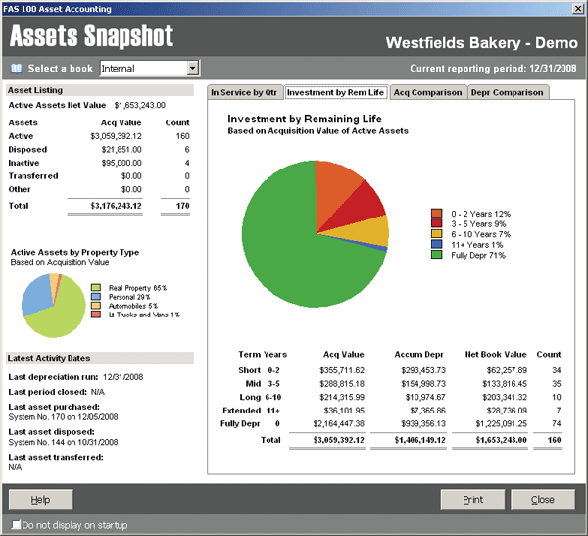
- Reporting and Analytics: Look for customizable dashboards. You should be able to see asset utilization rates, total asset value, and upcoming maintenance costs at a glance.
- User Permissions: Not everyone in the company should be able to delete an asset or change its value. Granular role-based access controls help maintain data integrity.
Reviews of Top Contenders
While hundreds of tools claim to manage assets, a few consistently rise to the top in terms of user satisfaction, feature depth, and reliability. Here is a look at some of the leading options in the space.
AssetHero
AssetHero has gained a strong reputation for its ease of use and powerful automation. It is particularly popular among mid-market companies that need more than a basic spreadsheet but don’t want the complexity of an enterprise ERP module. The interface is intuitive, allowing non-technical staff to update asset data without fear of breaking the ledger. Its integration with major accounting platforms is seamless, ensuring that depreciation entries post correctly to the GL without manual intervention. If you value speed and simplicity, this is a strong candidate.
Vericred
Vericred is often the go-to choice for larger enterprises and organizations with complex asset portfolios. It offers deep customization, allowing you to tailor depreciation rules to specific industry standards or regional tax laws. The platform handles large volumes of data with ease and provides robust reporting capabilities. However, this power comes with a steeper learning curve. It is ideal for organizations with dedicated IT or asset management teams who need granular control over every aspect of their asset lifecycle.
ZeuOps
ZeuOps stands out with its mobile-first approach and strong focus on field service and mobile workforce management. If your assets are spread across multiple job sites or if you have a team of technicians who need to check in and out equipment on the go, ZeuOps is a fantastic tool. It combines fixed asset accounting with ITAM (IT Asset Management) and general inventory tracking. The offline capability is a game-changer for teams working in areas with poor connectivity. It might be overkill for a static office environment, but for distributed operations, it shines.
Sortly
For small businesses or teams with simpler needs, Sortly offers a visual, intuitive interface that feels more like a photo album than a database. It is excellent for tagging assets with images and storing documents like warranties and manuals. While it lacks some of the advanced automatic depreciation features of enterprise-grade tools, its simplicity and affordable pricing make it a great entry point for companies just starting to organize their physical assets properly.
How to Choose the Right Fit
There is no silver bullet. The best software is the one that aligns with your current pain points and future growth plans. Start by taking an honest inventory of your current process. Where are the bottlenecks? Is it the monthly close? Is it the physical audit? Or is it simply knowing where things are?
If your primary struggle is accounting accuracy and depreciation, prioritize tools like AssetHero or Vericred that integrate deeply with your GL. If your struggle is physical visibility and mobile access, lean toward ZeuOps or Sortly. Always request a demo. Try running a sample asset through the system. Add it, depreciate it, and then retire it. If that workflow feels clunky, it will only get worse with hundreds of items.
Finally, consider the total cost of ownership. Look beyond the monthly subscription fee. Are there implementation costs? Training costs? Hidden fees for additional users or database records? A tool that seems cheap upfront can become expensive if it requires significant manual workarounds.
Frequently Asked Questions
Does fixed asset software replace my accounting system?
No, it complements it. Most dedicated asset software acts as a front-end to your general ledger. It calculates depreciation and sends those journal entries to your primary accounting software like QuickBooks or NetSuite. You still need a core accounting platform for invoicing, payroll, and broader financial management.
Can I migrate my existing spreadsheet data?
In most cases, yes. Major providers offer CSV or Excel import templates. The process usually involves mapping your columns (like asset name, purchase date, cost, etc.) to the software’s fields. It is recommended to clean your data before importing to avoid issues like duplicate entries or incorrect date formats.
Is cloud-based software safe for financial data?
Leading providers use enterprise-grade encryption and comply with security standards like SOC 2 and GDPR. Generally, a reputable cloud platform is more secure than a password-protected Excel file stored on a local server, which lacks regular backups and advanced security protocols.
How much does fixed asset software cost?
Pricing varies widely based on features and the number of assets. Simple solutions may start at a low monthly fee for the first few hundred assets, while enterprise solutions can cost thousands per month. It is often best to look for providers that charge based on the number of assets or users, so you only pay for what you use.