Understanding Decomposers: Nature’s Recycling Experts
When you stroll through a forest after a rain, the soft smell of earth isn’t just humidity—it’s the work of countless decomposers breaking down fallen leaves, dead insects, and other organic leftovers. These tiny powerhouses transform waste into nutrients, keeping ecosystems humming. In short, a decomposer is any organism that obtains energy by breaking down dead material, returning essential elements to the soil and water.
What Exactly Is a Decomposer?
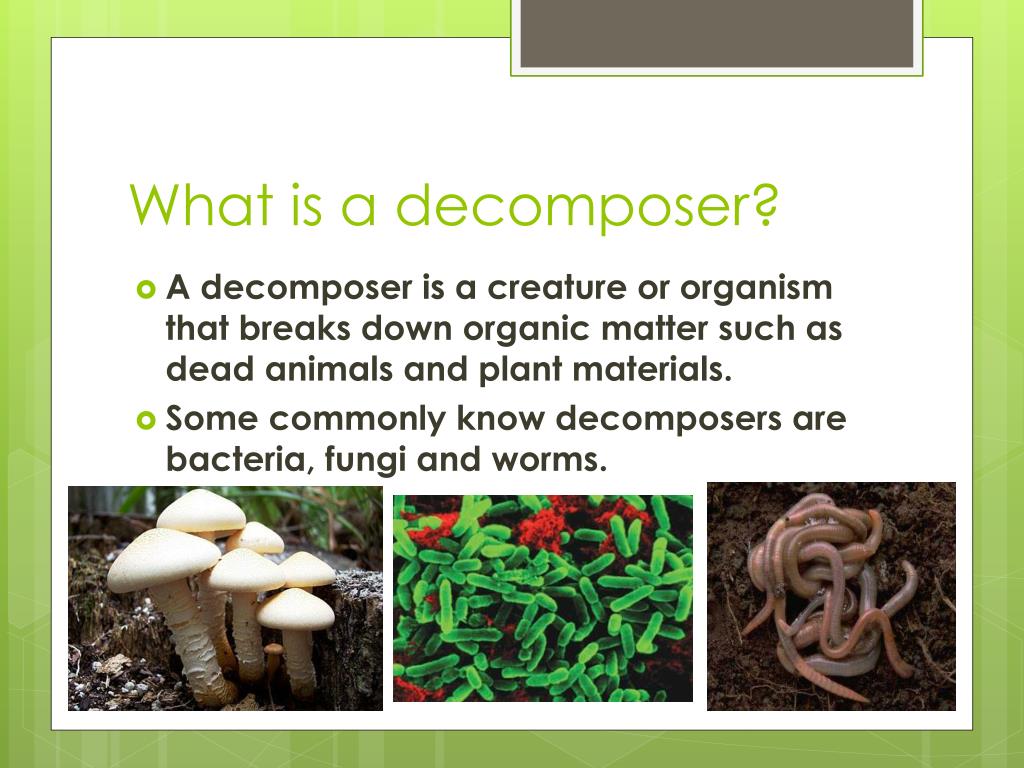
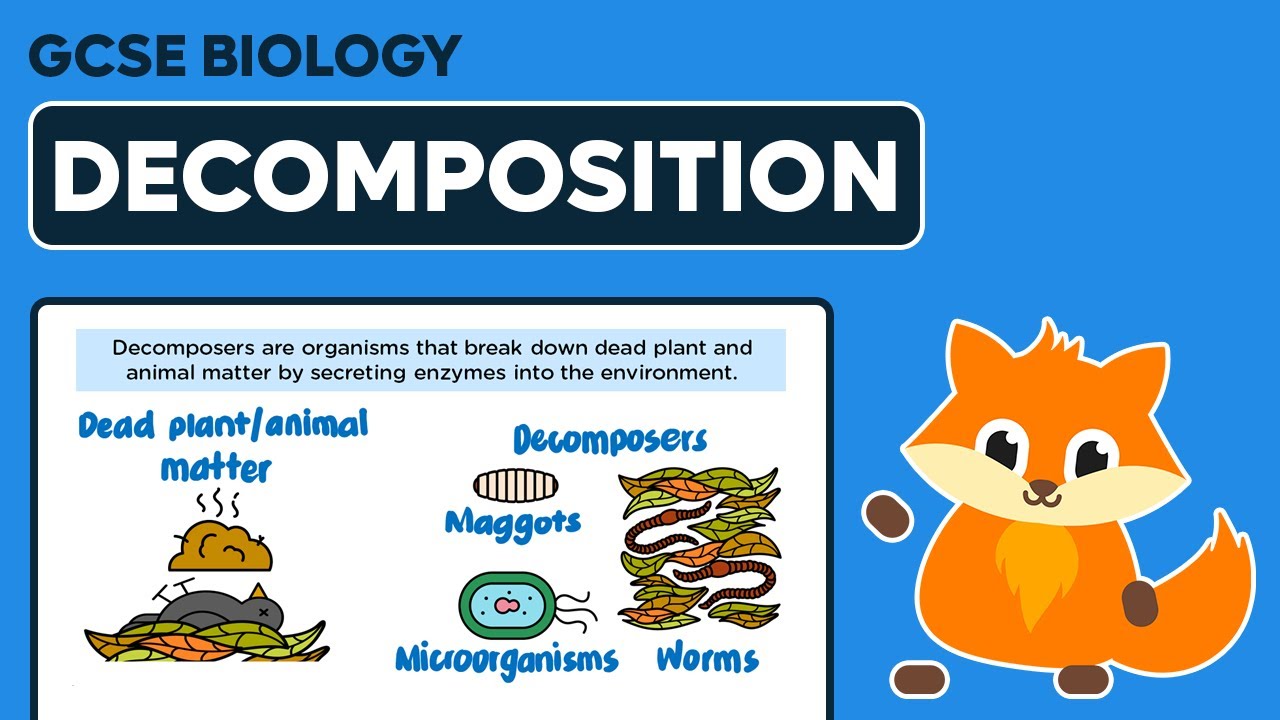
Biologically, a decomposer is an organism—usually a bacterium, fungus, or certain invertebrates—that feeds on dead organic matter. Unlike scavengers, which consume whole carcasses, decomposers specialize in digesting the complex molecules that remain after larger animals have finished their meals. By secreting enzymes, they split proteins, carbohydrates, and lignin into simpler compounds that can be absorbed and reused.
How Decomposers Work in an Ecosystem
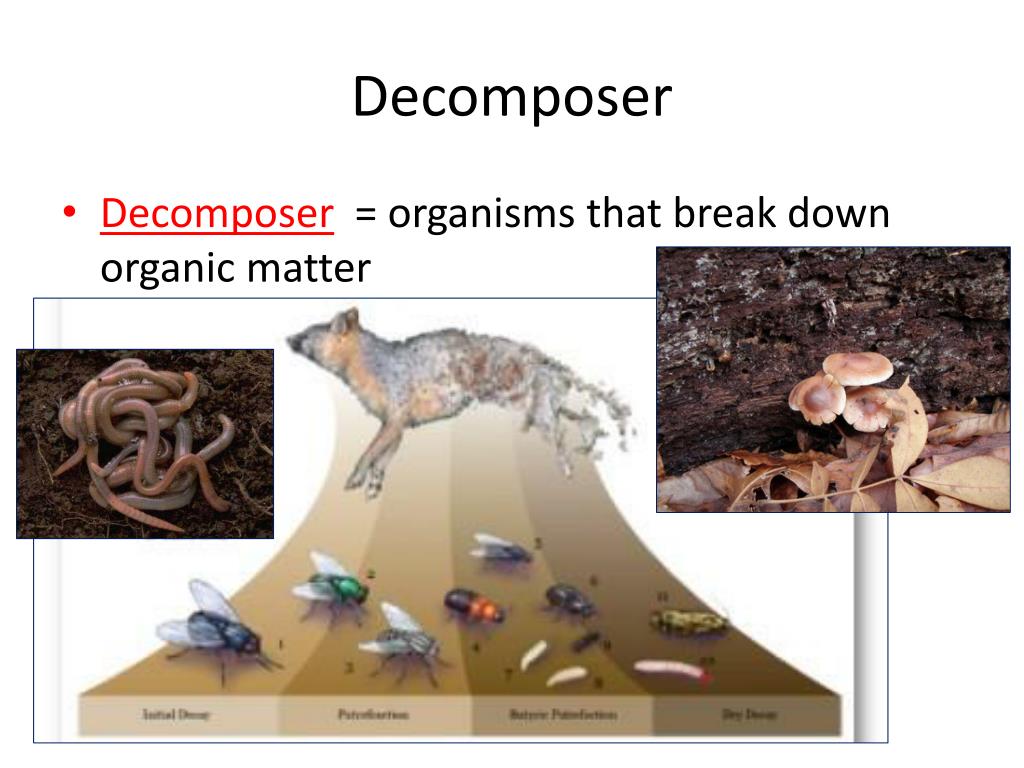
The decomposition process unfolds in stages. First, larger detritivores such as earthworms or beetle larvae shred material into smaller pieces, increasing the surface area for microbes. Next, bacteria and fungi release a cocktail of enzymes—like cellulases for cellulose and ligninases for woody tissue—to chemically break down the fragments. As these chemicals dissolve, the resulting nutrients—nitrogen, phosphorus, potassium—are released into the surrounding soil, ready for plant uptake.
This cycle is more than a tidy cleanup; it fuels the entire food web. Plants absorb the recycled nutrients, grow, and become food for herbivores, which in turn support predators. Without efficient decomposers, ecosystems would quickly become clogged with dead matter, and the flow of energy would stall.
Types of Decomposers You Might Encounter
While bacteria and fungi dominate the microscopic realm, several larger organisms also play crucial roles.
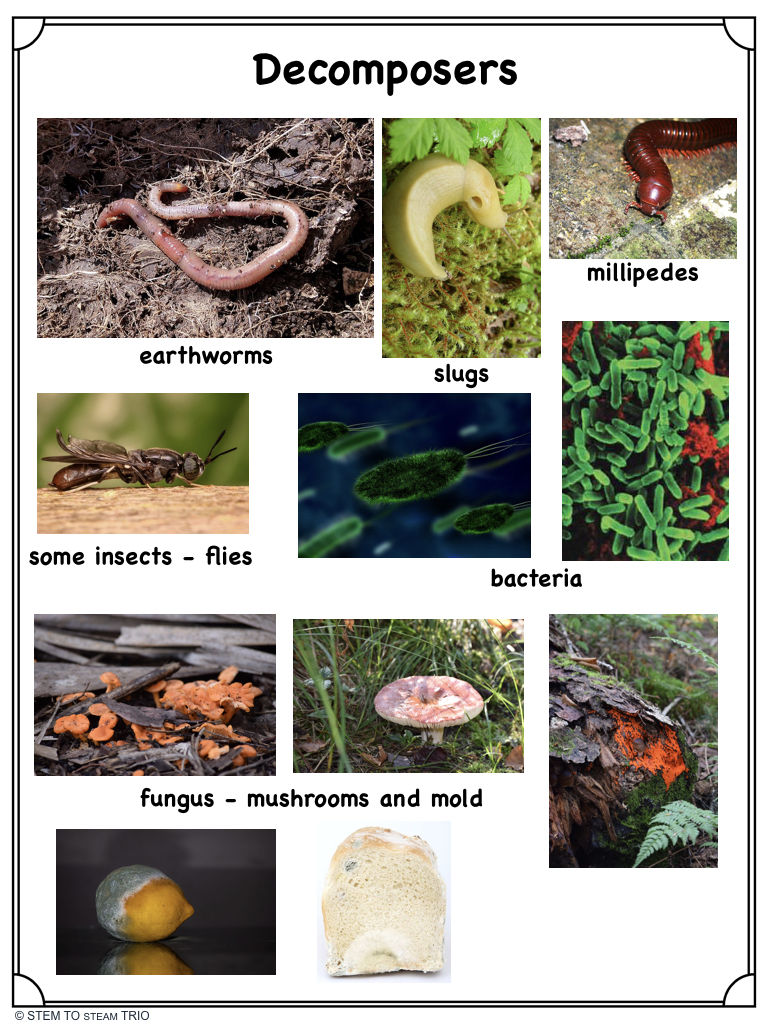
- Fungi—Mushrooms, mold, and mycelial networks excel at breaking down tough plant fibers like lignin. Their hyphae infiltrate wood, turning logs into rich humus over months or years.
- Bacteria—These single-celled workhorses dominate the early stages of decomposition, especially in moist, oxygen‑rich environments. Some specialize in nitrogen fixation, enriching soils further.
- Detritivores—Earthworms, woodlice, and springtails physically fragment material, making it easier for microbes to act.
- Insect larvae—Fly maggots and beetle grubs rapidly consume soft tissues, accelerating the overall breakdown.
Each group brings a unique set of enzymes, so the diversity of decomposers ensures that virtually every type of organic matter can be recycled.
Why Decomposers Matter to Humans
Beyond their ecological elegance, decomposers have direct impacts on agriculture, waste management, and even climate regulation. Farmers rely on soil rich in microbial activity to produce healthy crops without excessive fertilizer. Compost piles harness the same principles, turning kitchen scraps into nutrient‑dense amendment for gardens.
On a larger scale, decomposition influences carbon cycling. When microbes break down organic material, some carbon is released as carbon dioxide, while a portion becomes stable soil organic matter, sequestering carbon for decades. This balance helps mitigate greenhouse‑gas buildup, though disruptions—like excessive pesticide use—can tip the scale toward more emissions.
Factors That Speed Up or Slow Down Decomposition
Temperature, moisture, and oxygen are the three big levers. Warm, damp, well‑aerated conditions accelerate microbial metabolism, which is why summer compost heaps shrink quickly. Conversely, cold or waterlogged soils limit oxygen, slowing the process and favoring anaerobic microbes that produce methane—a potent greenhouse gas.
Human activities can also tip the balance. Heavy metal contamination or acid rain can poison sensitive microbes, while adding organic amendments like straw or leaf litter can boost microbial diversity and activity.
Practical Tips for Encouraging Healthy Decomposer Communities
If you’re curious about nurturing these invisible recyclers in your backyard, start simple:
- Maintain a layer of leaf litter or mulch—this provides both food and shelter for microbes and detritivores.
- Avoid over‑tilling soil; disturbance can disrupt fungal hyphae networks.
- Introduce compost or well‑rotted manure to enrich microbial populations.
- Keep soil pH near neutral; extreme acidity or alkalinity hampers many beneficial bacteria.
Even small changes can ripple through the ecosystem, enhancing plant health and reducing the need for synthetic inputs.
FAQ
What’s the difference between a decomposer and a detritivore?
Detritivores physically break down dead material (think earthworms chewing soil), while decomposers chemically dissolve it through enzymes. Both are essential, but they operate at different stages of the breakdown process.
Can humans use decomposers to manage waste?
Yes. Composting systems rely on bacterial and fungal decomposers to turn organic waste into useful soil amendment. Advanced facilities even employ engineered microbes to accelerate the breakdown of specific industrial residues.
Do all fungi act as decomposers?
Most do, especially those that form mycelial mats in soil or wood. However, some fungi are parasitic, feeding on living hosts, so not every fungus contributes to recycling dead matter.
How does decomposition affect climate change?
During decomposition, carbon is released as CO₂ or, under low‑oxygen conditions, as methane. Healthy soils can store a significant portion of carbon as stable organic matter, helping offset atmospheric greenhouse gases.