Understanding the B1 English Level: A Complete Guide
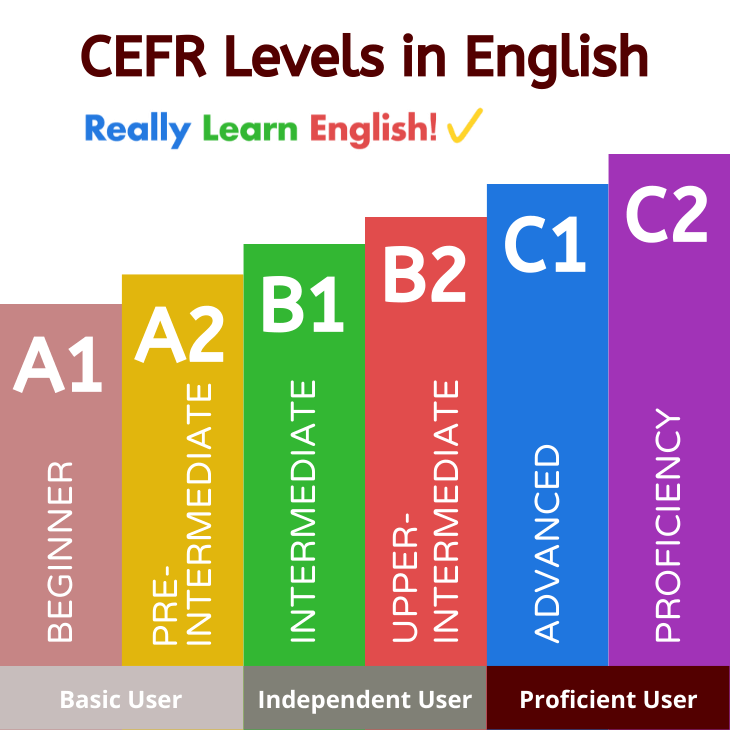
The B1 English level sits right in the middle of the Common European Framework of Reference for Languages (CEFR), marking the transition from elementary to independent use. If you’ve ever wondered what “B1 English level” actually means for everyday communication, this guide unpacks the descriptors, typical abilities, and practical steps to get there.
What the B1 Level Represents
In CEFR terms, B1 is described as the “Threshold” or “Intermediate” stage. Learners can handle familiar topics—travel, work, school—without constant reference to a dictionary. They’re able to produce simple, coherent text on subjects of personal interest and can describe experiences, hopes, and ambitions.
Unlike the A2 stage, which leans heavily on memorized phrases, B1 users start to form their own sentences, showing a grasp of basic grammar and a growing vocabulary of around 2,000‑2,500 words. The level is not yet fluent, but it’s enough to get by in most English‑speaking environments.
How B1 Is Assessed
Testing bodies such as Cambridge (PET), IELTS (band 4‑5), and TOEFL (score 42‑71) map their results onto the CEFR scale. Assessment typically covers four skills:
- Listening: Understanding the main points of clear, standard speech on familiar topics.
- Reading: Grasping the gist of short articles, notices, and personal letters.
- Speaking: Managing simple conversations, giving brief opinions, and narrating events.
- Writing: Composing short messages, emails, or postcards with basic structure.
Scoring thresholds vary, but a balanced performance across these skills usually indicates a solid B1 proficiency.
Typical Skills You’ll See at B1
Below are the most common abilities that define a B1 speaker:
- Can introduce themselves, talk about daily routines, and explain reasons for actions.
- Understands the main idea of a radio news report or a short video, even if some details are missed.
- Writes a simple but organized paragraph about a hobby, a recent trip, or a work project.
- Handles most travel situations—booking a hotel, asking for directions, or ordering meals—without feeling completely lost.
Errors still appear, especially with complex tenses or nuanced vocabulary, but they rarely hinder communication.
How to Reach B1: Practical Steps
Progressing from A2 to B1 is less about memorizing isolated words and more about building functional language blocks. Here are three steps that consistently help learners bridge the gap:
1. Focus on Meaningful Input
Consume authentic materials that match your interests—podcasts for beginners, graded news articles, or short YouTube tutorials. Aim for content that’s challenging but still comprehensible; the “i+1” principle (just slightly above current level) keeps you engaged without overwhelming you.
2. Practice Output Regularly
Speaking and writing force you to retrieve vocabulary actively. Join language‑exchange apps, record short monologues about your day, or keep a daily journal. Even a five‑minute spoken summary of a news piece can accelerate confidence.
3. Consolidate Grammar Foundations
At B1, you’ll need to master simple past, present perfect, and basic conditionals. Rather than drilling endless rules, apply them in context: write a short story that uses past perfect, or discuss hypothetical situations with a partner.
Resources and Tips Tailored for B1 Learners
Finding the right tools can make the difference between slow drift and steady climb. Consider these options:
- Textbooks: “English Grammar in Use” (intermediate edition) offers clear explanations and plenty of practice.
- Online Platforms: Duolingo’s “Intermediate” tracks, BBC Learning English’s “Six Minute English,” and the British Council’s “LearnEnglish Teens” all align with B1 objectives.
- Mobile Apps: Anki or Quizlet for spaced‑repetition flashcards help retain the 2,000‑plus words typical of B1.
- Community: Local conversation clubs or virtual meet‑ups provide low‑pressure speaking opportunities.
Remember to set realistic, measurable goals—such as “complete one podcast episode per week” or “write a 150‑word diary entry daily.” Tracking progress keeps motivation high.
FAQ
What distinguishes B1 from A2?
B1 users can produce original sentences and handle unexpected situations, whereas A2 learners rely heavily on rehearsed phrases and may stall when faced with new topics.
Can I take the Cambridge PET exam online?
Yes, Cambridge offers a computer‑based PET test that delivers results within days, and it maps directly onto the B1 level.
How long does it typically take to reach B1?
The timeframe varies, but many learners achieve B1 after 300‑400 hours of guided study combined with regular exposure to English.
Is B1 sufficient for work in an English‑speaking environment?
For many entry‑level positions, B1 provides a functional baseline. However, roles requiring complex negotiations or technical writing usually demand B2 or higher.