What Brainwashing Really Means: A Clear Explanation
When you hear the term “brainwashing,” you probably picture a sinister cult or a secret experiment. The reality, however, is more nuanced. Brainwashing describes a process of intense persuasion that aims to reshape a person’s beliefs, attitudes, or behaviors—often by undermining critical thinking and exploiting emotional vulnerabilities. In this article we’ll peel back the layers, explore the psychology behind it, and look at how it shows up in everyday life.
Understanding the Core Concept of Brainwashing
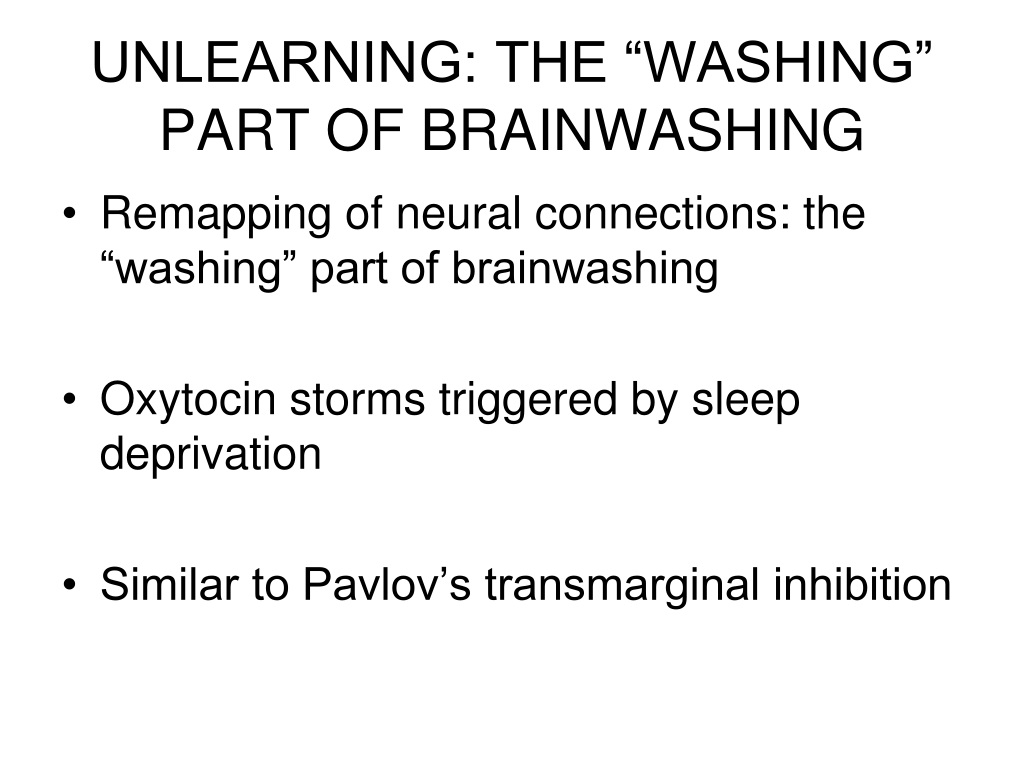
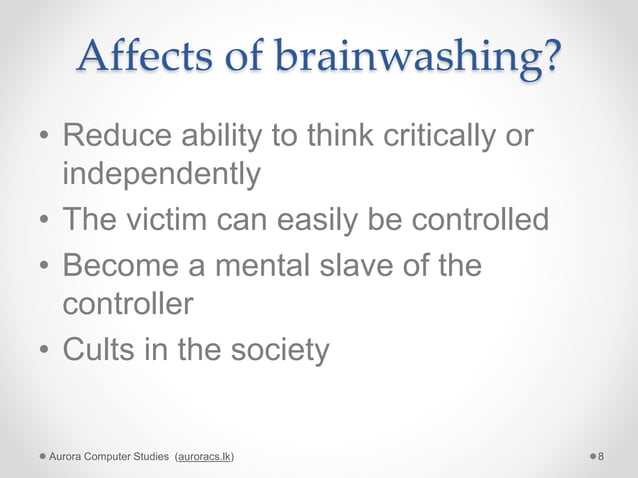
At its heart, brainwashing is about control. It combines repetitive messaging, social isolation, and heightened emotional states to make new ideas feel inevitable. The term first entered the public lexicon during the Korean War, when American POWs were said to have been “re‑educated” by their captors. Psychologists later refined the definition, emphasizing three key ingredients: (1) a compelling authority figure, (2) a closed environment that limits outside input, and (3) systematic use of rewards and punishments to reinforce the desired belief system.
These ingredients aren’t exclusive to extreme scenarios. Marketing campaigns, political rallies, and even certain educational techniques can borrow elements of the same playbook—though the intent and ethical line differ dramatically.
How the Process Works: A Step‑By‑Step Look
- Establishing Authority: The persuader presents themselves as knowledgeable or charismatic, creating a power differential that makes listeners more receptive.
- Creating Dependency: By limiting access to alternative viewpoints—through physical isolation or digital echo chambers—the target becomes reliant on the source for information.
- Repetition and Simplicity: Simple, repeated slogans or narratives stick better than complex arguments. The brain prefers patterns it can process quickly.
- Emotional Manipulation: Fear, love, guilt, or excitement are leveraged to forge strong emotional bonds, making logical resistance harder.
- Reward and Punishment: Positive reinforcement (praise, privileges) for compliance and negative consequences (shaming, exclusion) for dissent tighten the grip.
Historical Examples and Modern Echoes
Classic cases of alleged brainwashing include the Jonestown tragedy, where leader Jim Jones used isolation, public confession rituals, and fear of external threats to maintain control over his followers. In the Cold War era, Soviet “re‑education” camps attempted similar tactics, blending physical hardship with ideological indoctrination.
Today, the phenomenon resurfaces in less dramatic forms. Online extremist groups curate content that repeats hateful narratives, while simultaneously silencing dissenting voices. Even commercial advertising can mirror brainwashing patterns: think of a brand that bombards you with the same tagline across TV, social media, and storefronts, all while linking the product to an aspirational lifestyle.
Why Critical Thinking Is the Best Defense
One of the most reliable safeguards against undue influence is a habit of questioning. When you encounter a message that feels emotionally charged, pause and ask: Who benefits? What evidence supports the claim? Are alternative perspectives being excluded? Engaging in open‑ended dialogue, seeking out reputable sources, and maintaining diverse social connections can all dilute the isolating effect that brainwashers rely on.
It’s also helpful to recognize that the brain naturally seeks coherence. When presented with contradictory information, we may experience cognitive dissonance—a discomfort that often leads us to reject the new data rather than adjust our existing beliefs. Awareness of this bias lets you consciously entertain uncomfortable truths instead of reflexively dismissing them.
Legal and Ethical Boundaries
In most democratic societies, coercive persuasion that strips individuals of autonomy can cross legal lines. For instance, cult‑related fraud or forced labor can be prosecuted under statutes that protect freedom of thought and personal liberty. Ethically, professionals in counseling or education are bound by codes of conduct that forbid manipulative techniques that could be construed as brainwashing.
Nonetheless, the gray area remains wide. Persuasion is a legitimate tool in leadership, teaching, and marketing—as long as it respects informed consent and allows for independent choice. The challenge lies in discerning when influence becomes exploitation.
Frequently Asked Questions
Is brainwashing the same as propaganda?
While both aim to shape opinions, propaganda typically involves mass‑disseminated information—often biased but still accessible. Brainwashing goes further, using isolation and emotional pressure to break down critical resistance.
Can I unintentionally brainwash someone?
Yes. Repeatedly presenting a single viewpoint without encouraging questioning can create a subtle form of indoctrination, especially if the listener trusts you deeply.
Do children experience brainwashing?
Children are especially impressionable, so intense, one‑sided messaging—whether in certain educational settings or through aggressive advertising—can have a brainwashing‑like effect if it limits their exposure to diverse ideas.
Understanding brainwashing isn’t about hunting for secret conspiracies; it’s about recognizing the tools people use to sway minds. By staying alert to authority cues, emotional hooks, and echo chambers, you can keep your own thinking as free as possible—while also helping others maintain theirs.