Why NATO Is Reluctant to Fight Russia
When you hear “NATO” and “Russia,” the mind jumps to a potential showdown that could reshape Europe. Yet, despite years of rhetoric and massive defense budgets, the alliance has consistently stopped short of direct war. Understanding that restraint requires a look at strategy, politics, and the stark realities of modern combat.
Deterrence Over Direct Confrontation
From its inception, NATO’s core purpose was collective defence: an attack on one member is an attack on all. That principle works best when the threat is clearly defined and limited. In the case of Russia, the alliance has favored a layered deterrence—forward‑deployed troops, air‑base upgrades, and a constant flow of intelligence—over the gamble of outright invasion.
Deterrence is cheap in comparison to the costs of war. It allows NATO to keep the balance of power tilted without the political fallout of casualties, refugees, and the economic shockwaves that would ripple through global markets.
Political Diversity Within the Alliance
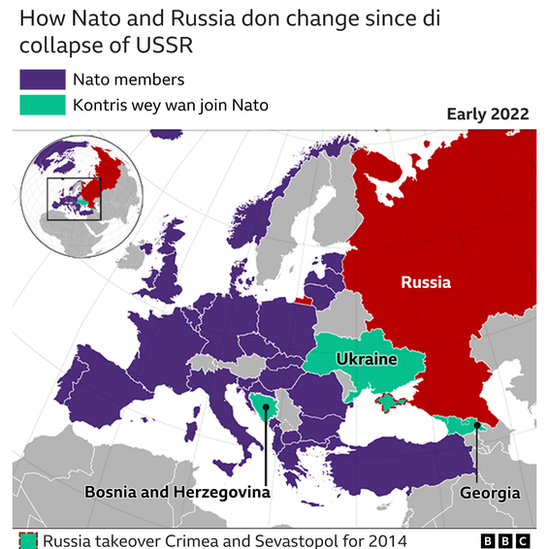
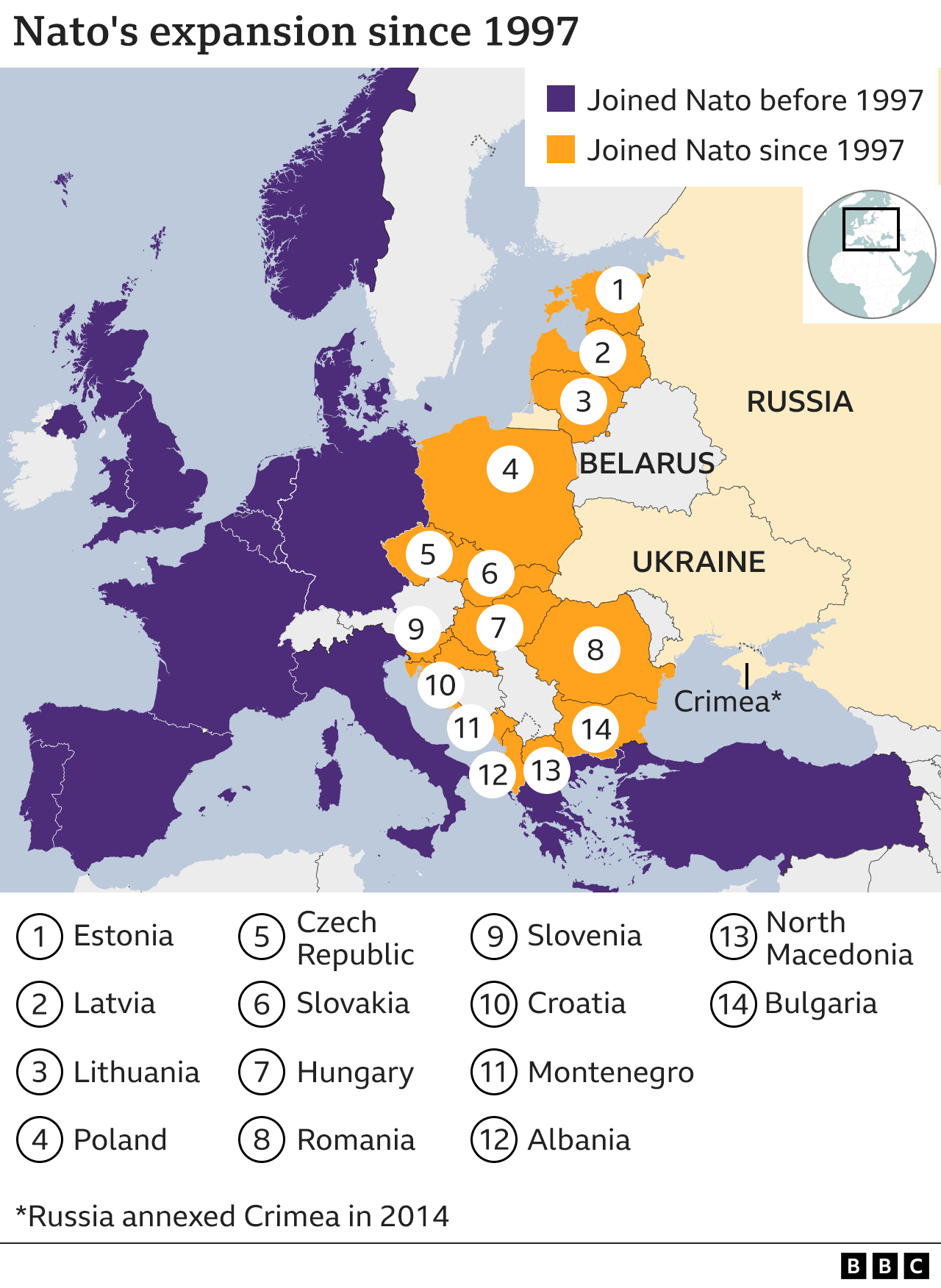
Twenty‑seven countries sit under NATO’s umbrella, each with its own domestic politics and risk calculations. While the United States and a handful of Eastern European members push for a harder line, others—especially the younger, more economically dependent members—remain wary of provoking a nuclear‑armed neighbor.
- Germany and France prioritize diplomatic channels and tend to clash with the more hawkish factions.
- Poland and the Baltic states feel the nearest the Russian threat, but even they know that a full‑scale war would bring devastation to their own territories.
- Turkey brings its own set of strategic concerns, often acting as a balancing voice rather than a rallying cry for combat.
This mosaic of interests makes a unanimous decision for war practically impossible.
The Nuclear Shadow
Russia’s nuclear arsenal looms over any conventional conflict. Both sides understand that crossing the nuclear threshold would be catastrophic. NATO’s nuclear doctrine is deliberately ambiguous, designed to keep Moscow guessing about the alliance’s response while simultaneously reinforcing restraint on both sides.
In practice, this means that any escalation must be carefully calibrated. The risk of miscalculation—an accidental strike or a rogue unit acting without orders—has kept political leaders on the defensive rather than the offensive.
Economic Interdependence and Energy
Europe still imports a significant share of its natural gas from Russia. A war that severs those pipelines would plunge the continent into an energy crisis, driving up prices and threatening the stability of essential services. The continent’s economies are still recovering from pandemic‑driven recessions; another shock could be unbearable.
Beyond energy, the global financial system is tightly interwoven. Sanctions already hit Russian banks hard, but a full‑blown war would likely trigger capital flight, currency collapses, and a scramble for safe‑haven assets—consequences that NATO members would have to shoulder alongside their citizens.
Logistical Limits of Modern Conflict
Even with a robust supply chain, moving troops, equipment, and ammunition across the vast Russian frontier is a logistical nightmare. The Russian military’s depth and mobility, combined with harsh weather and terrain, mean that a NATO ground invasion would require months of preparation, not weeks.
Air superiority, while technically achievable, would be contested by sophisticated air defenses and cutting‑edge fighter jets. The cost of sustaining air operations over such a distance would quickly eclipse the budgetary limits of many NATO members.
Strategic Alternatives to War
Instead of launching a direct assault, NATO pursues a suite of tools that aim to weaken Russia’s ability to project power without crossing the line into open conflict.
- Enhanced Forward Presence: Battalions stationed in Poland and the Baltics signal resolve without fighting.
- Cyber Operations: Disrupting Russian command‑and‑control networks creates pressure points that are less visible on the battlefield.
- Economic Leverage: Coordinated sanctions strike at key sectors—energy, finance, defense—sapping Russia’s war‑fighting capacity over time.
- Diplomatic Isolation: NATO works with the United Nations and other bodies to keep Russia marginalized on the world stage.
Historical Lessons That Still Echo
The Cold War taught Western planners that a conventional war against a superpower could quickly spiral into a nuclear exchange. The Vietnam quagmire reminded policymakers that even a numerically inferior force could bleed a coalition dry if the political will wavered. These memories linger in NATO’s strategic calculus, reinforcing a cautious approach.
Public Opinion and the Human Cost
In democratic societies, public backing is a prerequisite for any sustained military engagement. Polls across Europe consistently show majorities opposed to a direct war with Russia, especially after witnessing the humanitarian toll of conflicts in Syria and Ukraine. Leaders know that without popular support, the political price of war would be too high to bear.
What the Future Might Hold
None of this means NATO will never fight Russia; it simply illustrates why the alliance prefers a toolbox of pressure tactics over a “boots on the ground” solution. The next steps will likely involve tightening sanctions, expanding cyber capabilities, and maintaining a credible military presence at the alliance’s eastern flank.
In short, the restraint is less about weakness and more about a calculated strategy that balances deterrence, political cohesion, and the avoidance of a catastrophic escalation. That delicate balance—while frustrating for those who crave decisive action—is precisely what keeps Europe from sliding into a war that no one can afford.