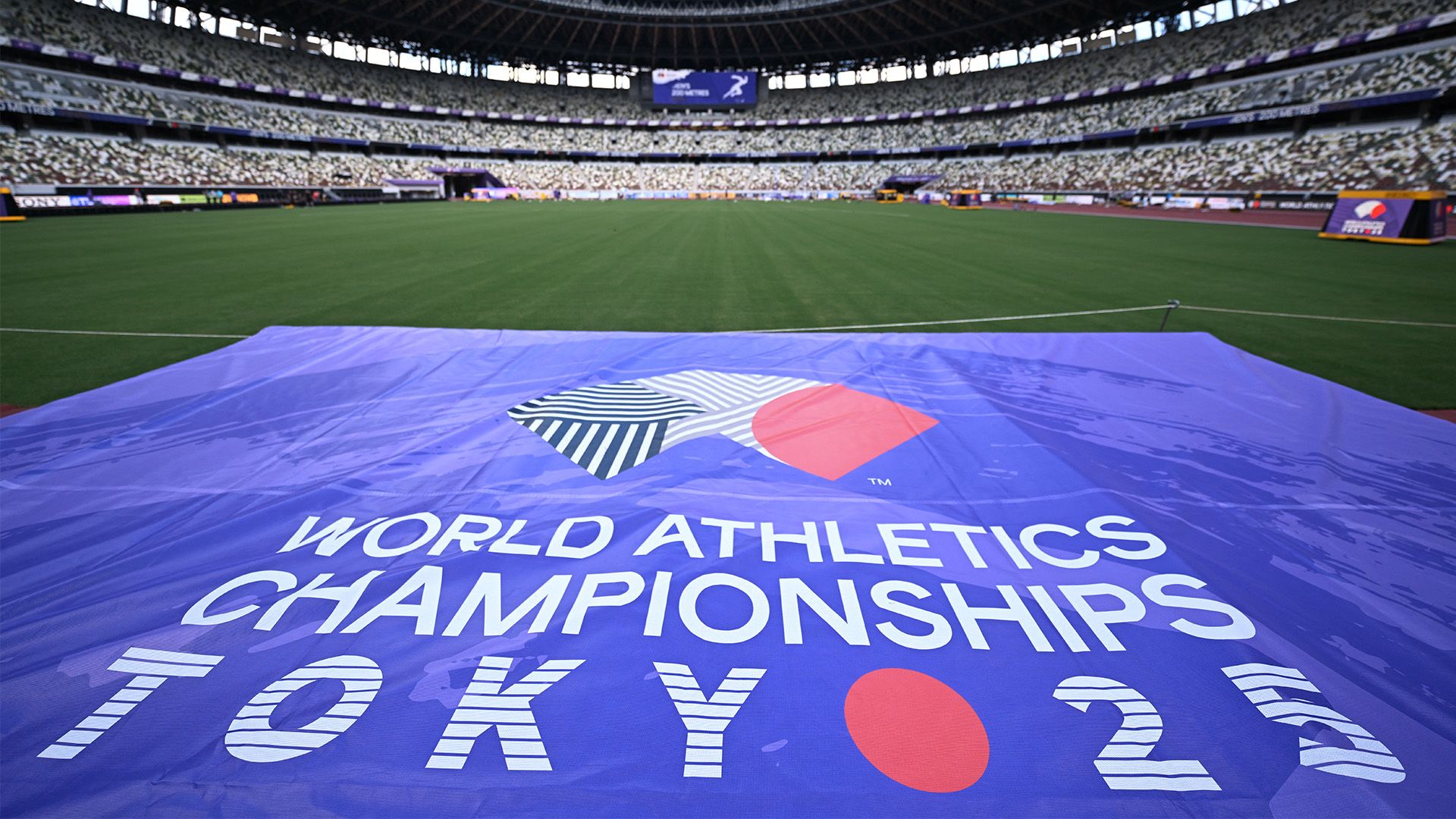
Your Quick Guide to the World Athletics Championships
The World Athletics Championships are the pinnacle of track and field, drawing crowds from every corner of the globe. Whether you’re a seasoned fan or just curious about the sport, knowing the essentials can turn a vague interest into an engaging experience. Below, we break down the event’s history, format, must‑watch moments, and how you can catch the action live or on screen.
World Athletics Championships: The Basics
First held in 1983, the World Athletics Championships have grown from a modest gathering of 1,300 athletes to a massive showcase featuring over 2,000 competitors across 48 events. Organized by World Athletics, the governing body formerly known as the IAAF, the championships occur every two years (with a few exceptions) and rotate among host cities that win the bid process.
Each edition crowns world champions in everything from the 100‑metre sprint to the 20‑kilometre race walk, and from the high jump to the mixed 4×400 metre relay—a relatively new addition that adds a strategic twist.
How Often and Where Does It Take Place?
Since its inception, the Championships have been hosted on every inhabited continent, underscoring the sport’s universal appeal. The most recent edition took place in Eugene, Oregon (2022), while the upcoming 2025 event is slated for Tokyo, Japan, after a brief reshuffle caused by the pandemic.
The two‑year cycle means athletes often plan their season around the championships, peaking in form just in time for the competition. The host city’s infrastructure—especially the stadium’s track surface and spectator capacity—plays a crucial role in the event’s overall vibe.
Key Events and Athletes to Watch
While the 100‑metre dash and marathon often dominate headlines, several “hidden gems” consistently deliver drama.
- Women’s 400 metre hurdles – A blend of speed and technique that has produced record‑breaking runs in recent years.
- Men’s pole vault – The sport’s engineering marvels, where athletes like Armand Duplantis push the bar ever higher.
- Mixed 4×400 metre relay – Teams strategize the order of male and female runners, leading to unpredictable finishes.
Historically, names such as Usain Bolt, Allyson Felix, and Eliud Kipchoge have become synonymous with the championships. Today, rising stars like Kenya’s Faith Kipyegon and the United States’ Athing Mu are the ones to keep on your radar.
How to Follow the Action
If traveling to the host city isn’t feasible, there are still plenty of ways to stay plugged in.
Broadcast options: Major networks in the U.S., U.K., and Australia secure live rights, while streaming platforms like the World Athletics app offer real‑time results and highlight reels. Many countries also provide free-to-air coverage of marquee events.
Social media: Follow World Athletics on Twitter, Instagram, and TikTok for behind‑the‑scenes clips, athlete interviews, and instant updates. Hashtags such as #WorldAthletics and #Championships2025 help you join the global conversation.
Tickets, Travel, and Fan Experience
Securing tickets can be competitive, especially for the final day when medals are awarded. Here are a few practical tips:
- Register early on the official ticketing portal; early‑bird batches often sell out within hours.
- Consider “city‑pass” options that grant entry to multiple days and venues, giving you flexibility to catch both track and field events.
- Book accommodation close to the stadium or well‑connected by public transport to avoid race‑day traffic snarls.
- Take advantage of fan zones—many host cities set up large screens, merchandise stalls, and athlete meet‑and‑greets that enrich the atmosphere without a premium ticket price.
Don’t forget to check the host city’s climate. Heat‑related precautions—hydration packs, sunscreen, and light clothing—are essential for staying comfortable during long sessions.
Understanding the Scoring and Qualification
Each event follows a clear progression: heats, semi‑finals, and finals, except for distance races where all athletes may start in a single final. Advancement is usually based on a combination of placement and time, a system that rewards both tactical racing and outright speed.
World Athletics also sets qualifying standards well ahead of the championships. Athletes must achieve these marks at approved meets, ensuring the field represents the sport’s elite. In some cases, countries can send “wild‑card” entries to defending champions or athletes who meet a slightly lower standard, adding depth to the competition.
Why the Championships Matter Beyond Medals
The event serves as a barometer for the sport’s health, highlighting emerging talent from nations that traditionally haven’t dominated track and field. It also drives investment in local athletics programs, as host cities often upgrade facilities and launch grassroots initiatives in the lead‑up years.
From a cultural perspective, the Championships bring together athletes of diverse backgrounds, fostering a spirit of global camaraderie that resonates far beyond the stadium.
FAQ
When is the next World Athletics Championships?
The next edition is scheduled for 2025 in Tokyo, Japan, with exact dates to be announced by World Athletics later this year.
Can I watch the championships for free?
In many regions, key events are broadcast on free‑to‑air TV channels. Additionally, the official World Athletics app provides live highlights and result feeds at no cost, though full live streams may require a subscription.
How many events are contested?
There are 48 events in total—24 for men, 24 for women—covering sprints, middle‑ and long‑distance runs, hurdles, jumps, throws, and the mixed relay.
What’s the best way to stay updated during the competition?
Follow World Athletics’ official social media accounts and enable notifications on the app for real‑time alerts. For deeper analysis, sports news websites typically publish hourly recaps and expert commentary.