Your Ultimate Guide to Understanding Attack on Titan
When the colossal walls first appeared on TV screens, most viewers assumed “Attack on Titan” was just another shonen showdown. What they didn’t expect was a sprawling mystery that blends political intrigue, grotesque horror, and a relentless search for freedom. If you’ve finished the series or are just staring at the opening credits, this guide will untangle the core concepts, key factions, and the themes that keep fans debating years after the final episode.
The World Inside the Walls
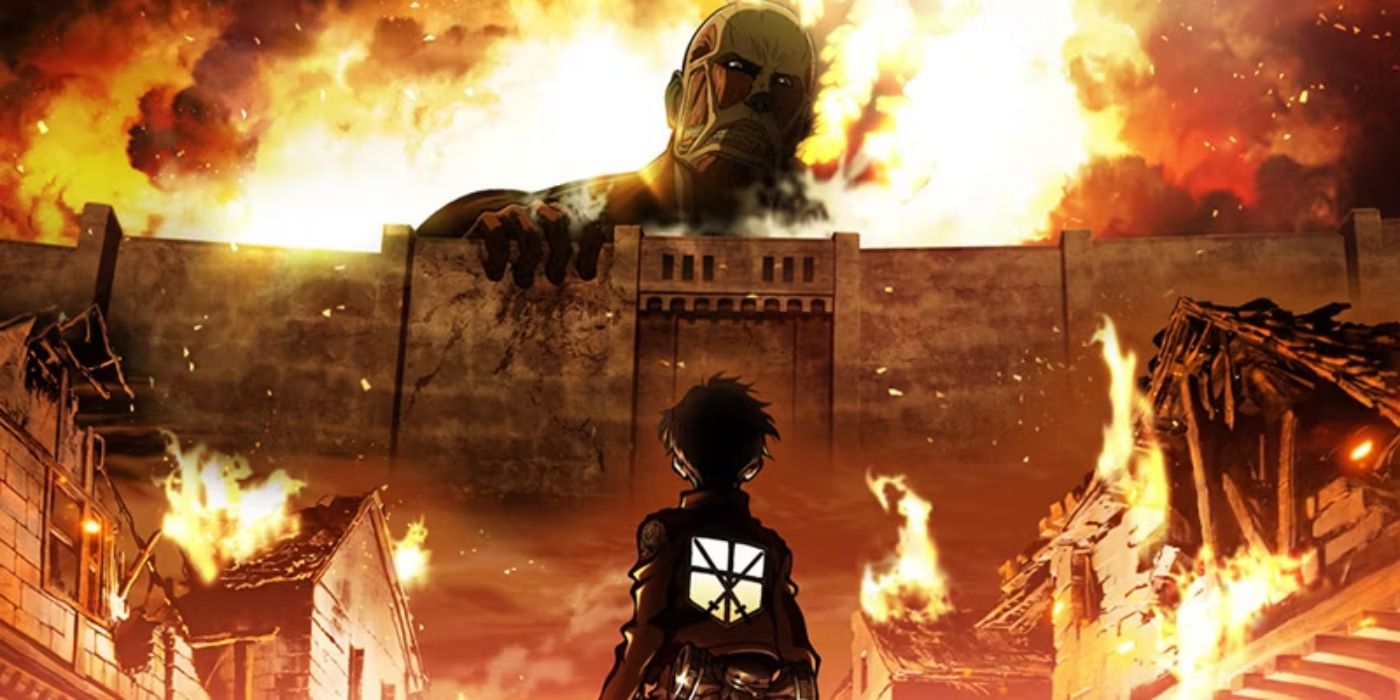
At first glance, the setting feels simple: humanity lives behind three concentric walls—Maria, Rose, and Sina—shielded from the Titans, giant humanoid predators. But those walls are more than a physical barrier.
- Wall Maria houses the outermost cities, the first line of defense that falls early in the story, spurring the central conflict.
- Wall Rose serves as the main staging ground for the Survey Corps, the branch daring to venture outside.
- Wall Sina is the elite’s sanctuary, with architecture that hints at a forgotten civilization.
The walls’ origins—revealed gradually—tie directly to the series’ central question: who are the Titans, and why do they exist?
Titan Origins: A Brief Timeline
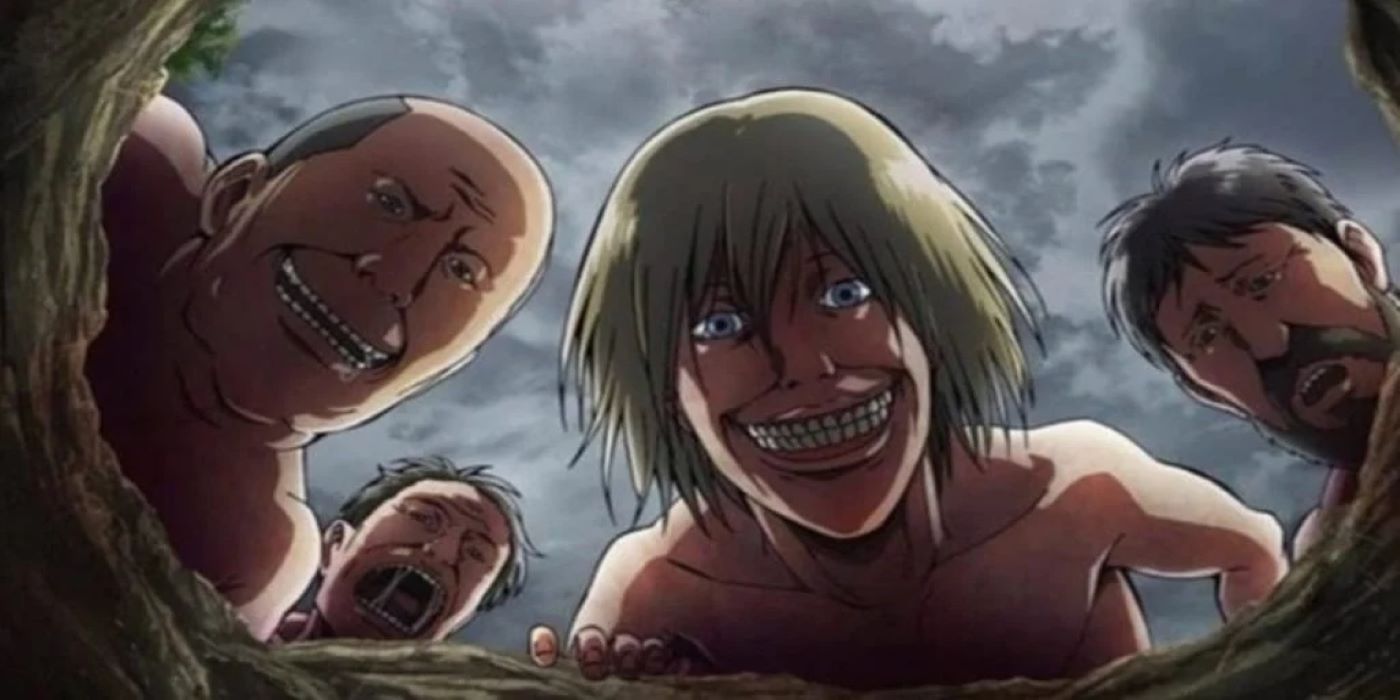
Understanding the Titans isn’t about memorizing a list of 9‑meter monsters; it’s about recognizing the layered mythos that mirrors real‑world power struggles.
1. The Eldian Empire
Centuries before the walls, the Eldian people possessed the power of the “Founding Titan,” a device that could turn Eldians into Titans. Their empire conquered the Marleyan nation, using Titans as weapons of war. This dominance sowed the seeds of hatred that echo throughout the series.
2. The Great Titan War
Marley, desperate to end Eldian tyranny, engineered a rebellion. The war ended with a stalemate, but Marley seized the Founding Titan and forced the surviving Eldians onto the island of Paradis, where the walls were erected as a last‑ditch refuge.
3. The “Titan Shifters”
Some Eldians retain the ability to transform at will—these are the Shifters. Eren Yeager, Reiner Braun, and Annie Leonhart are the most prominent examples. Their powers illustrate the series’ nuanced take on “monster vs. human.”
Key Factions and Their Motives
It’s easy to label the Survey Corps as the heroes and Marley as the villains, but each group has internal divisions that blur those lines.
- The Survey Corps—the bravest (or most reckless) soldiers who risk everything to explore beyond the walls. Their ultimate goal shifts from “kill all Titans” to “reclaim freedom for our people.”
- The Military Police—guardians of Wall Sina, more concerned with preserving the status quo than confronting the external threat.
- The Garrison—the everyday soldiers who maintain the walls and keep civilians safe; they often act as a moral compass for the series.
- Marleyan Warriors—a militarized society that uses Titan Shifters as prized assets, yet also harbors dissenters who question the ethnic cleansing of Eldians.
These factions intersect, betray, and occasionally cooperate, creating a web of alliances that shifts with each season.
Why Eren Yeager Is the Most Controversial Protagonist
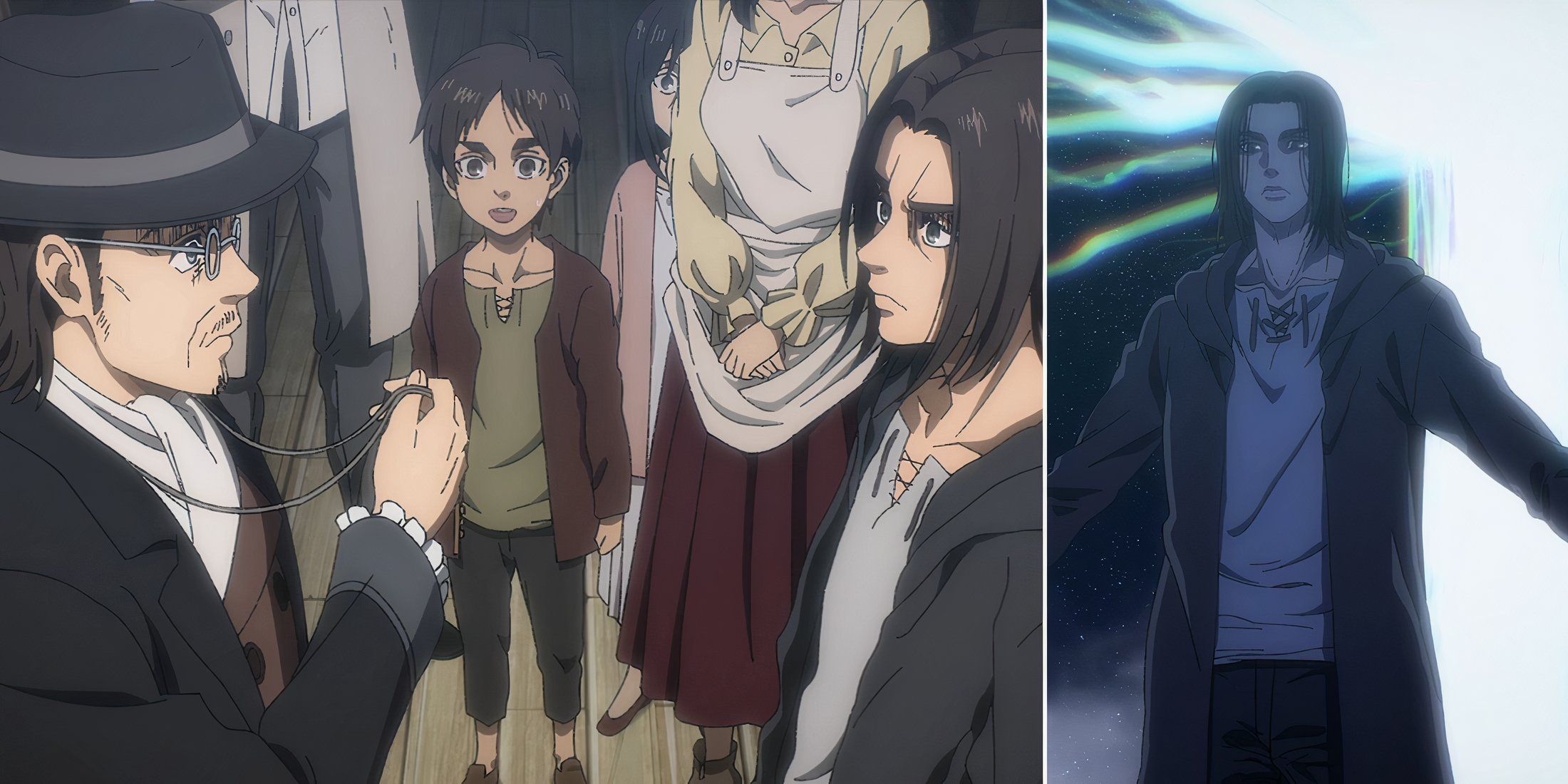
Eren’s evolution from a hot‑headed child yearning for revenge to a morally ambiguous mastermind is the engine of the narrative. His “grand plan” hinges on a single, terrifying premise: the only way to secure Eldian freedom is to annihilate everyone who fears them.
Fans love him for his raw determination, yet despise him for the genocidal calculus he adopts. This dichotomy forces viewers to ask: does the ends truly justify the means? The series never offers a tidy answer, and that lingering discomfort is precisely what makes the story unforgettable.
Recurring Themes That Resonate
Beyond the action, “Attack on Titan” tackles several universal ideas.
- Cycle of hatred—Every character, from the Survey Corps to Marley’s leaders, repeats the same patterns of fear and retaliation.
- Freedom vs. security—The walls represent safety at the cost of liberty; stepping outside offers freedom but invites death.
- Identity and memory—Characters constantly grapple with who they are versus the roles imposed by history.
These motifs aren’t just philosophical fluff; they drive plot twists. When the truth about the Titans emerges, it reframes every sacrifice made earlier in the series.
How the Anime Adaptation Enhances the Manga
Wit’s directional choices, the use of 3‑D maneuver gear, and the brutal pacing of battle sequences amplify the manga’s stark visuals. The soundtrack—particularly Hiroyuki Sawano’s pounding orchestration—turns each revelation into a visceral experience.
Moreover, the decision to delay certain plot reveals to the final season created a collective anticipation that turned each episode into a cultural event, echoing the series’ own themes of waiting behind walls for a promised future.
Practical Tips for New Viewers
- Start with season 1 and watch the episodes in order; the timeline isn’t linear, but the anime presents events chronologically.
- Keep a simple character list. Names like “Levi,” “Mikasa,” and “Historia” recur, but secondary figures (e.g., “Gabi” or “Porco”) become crucial later.
- Don’t worry about missing every hidden reference on the first run. Rewatching after the final season reveals layers you’ll appreciate more the second time.
Most importantly, let the story’s moral ambiguity sit with you. The series isn’t about cheering a side; it’s about confronting how fear molds societies.
What Lies Beyond the Final Episode?
Without spoiling the ending, the series concludes on a note that feels both resolved and open‑ended. The world after the walls is no longer a blank canvas; it’s a mess of politics, trauma, and tentative hope. Fans continue to debate whether the cycle truly ends or simply transforms.
If you’ve made it this far, you’ve probably felt that mix of awe and exhaustion that defines “Attack on Titan.” Whether you’re planning a rewatch, diving into the light novels, or just reflecting on the themes, the series offers a rare blend of spectacle and substance that rewards multiple viewings.