Are Delhi Junction and New Delhi Railway Stations the Same?
Understanding the Names
When a traveler spots “Delhi Junction” on a ticket and “New Delhi” on an itinerary, it’s easy to assume they refer to the same place. In reality the two stations serve different parts of the capital and have distinct histories. Knowing the difference can save you a misplaced luggage tag or a frantic dash across town.
Where Each Station Is Located
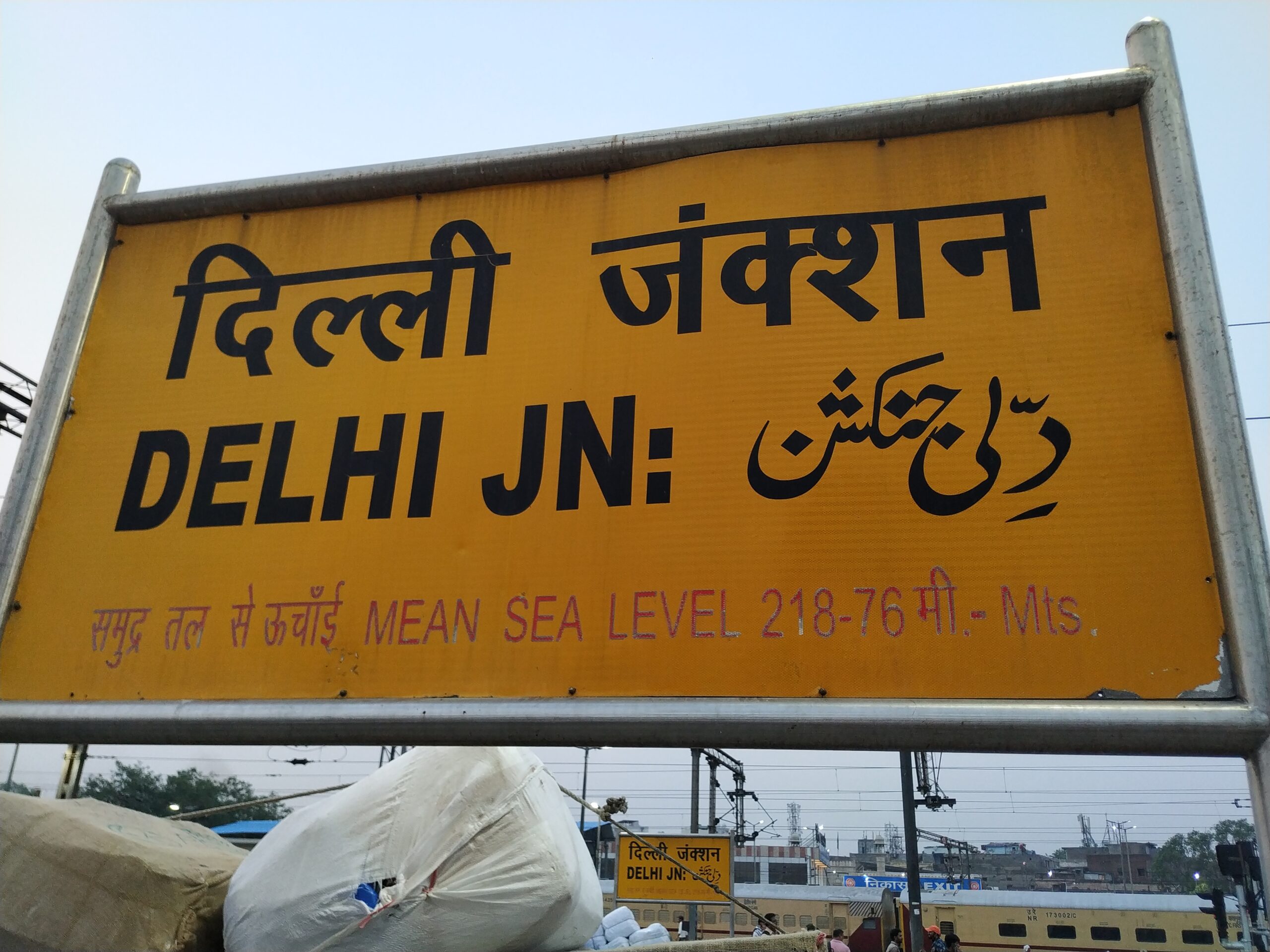
Delhi Junction (DLI) sits in the older heart of the city, near Chandni Chowk and the historic Red Fort. The address reads: Old Delhi, Delhi 110006. Its surroundings pulse with bustling bazaars, street food stalls, and a tangle of narrow lanes.
New Delhi Railway Station (NDLS) is a stone’s throw from the government’s administrative quarter, adjacent to Connaught Place and the iconic Parliament House. Its official location is: New Delhi, Delhi 110001, surrounded by wide avenues and modern office blocks.
Historical Roots
The original “Delhi Junction” opened in the 1860s, when the British were stitching together a rail network across the subcontinent. It grew around the old city’s fortifications, becoming the main gateway for travelers heading to the Mughal capital.
New Delhi, on the other hand, was conceived after the capital shifted from Calcutta to Delhi in 1911. The station was built in the 1920s to serve the newly designed city, showcasing colonial architecture with a dome and clock tower that still dominate the skyline.
Who Uses Which Station?
- Long‑distance trains from the north‑west: Most still originate or terminate at Delhi Junction, especially those headed toward Punjab, Rajasthan and beyond.
- Premium services like Rajdhani and Shatabdi: These high‑speed, air‑conditioned trains usually call at New Delhi, offering smoother connections to the airport and central business district.
- Commuter and suburban lines: Both stations act as hubs, but New Delhi sees a heavier flow of suburban EMU services that link to the Delhi Metro.
How the Confusion Happens
Ticketing systems sometimes list “Delhi” without clarifying DLI or NDLS, especially on budget airline bundles that include a rail segment. Travelers “booking the same” may end up at the wrong platform and miss their connecting flight.
Even locals mix them up, because the city’s name appears in both. The metro exacerbates the mix‑up: the Yellow Line stops at New Delhi station, while the Red Line passes near Delhi Junction, yet both are simply marked “Delhi” on some maps.
Practical Tips for Travelers
If you’re booking a train:
- Check the station code: DLI for Delhi Junction, NDLS for New Delhi.
- Look at the departure board on the railway’s website; it often includes a short address.
- When using a ride‑hailing app, type the full name to avoid being dropped off at the wrong end of town.
On arrival:
- Spot the iconic clock tower? You’re at New Delhi.
- Hear the call of street vendors selling chaat and hear the clang of horse‑drawn carts? That’s Delhi Junction.
Connectivity Between the Two
Even though they’re separate, the stations are linked by a short taxi ride (about 15 minutes in traffic) and by the Delhi Metro’s Yellow Line, which runs from New Delhi to a stop just a block away from Delhi Junction. If you miss your train at one, you can usually hop on a metro or a quick auto‑rickshaw to catch the next service.
Why the Distinction Matters
Beyond the inconvenience, each station caters to different passenger needs. New Delhi offers better access to hotels, business centers, and the airport, while Delhi Junction provides a glimpse into the city’s colonial past and vibrant street life. Choosing the right one can shape the tone of your entire trip.
Quick Reference Table
| Station | Code | Location | Typical Trains |
|---|---|---|---|
| Delhi Junction | DLI | Old Delhi, near Chandni Chowk | North‑west long‑distance, some express |
| New Delhi | NDLS | New Delhi, near Connaught Place | Rajdhani, Shatabdi, premium services |
Bottom Line
They share the city’s name, but Delhi Junction and New Delhi Railway Station are separate entities with unique roles. Double‑checking the station code, glancing at the surrounding landmarks, and allowing a little extra travel time between them will keep your itinerary smooth and your stress level low.