How Long Can You Use a Thinkorswim Demo Account? A Complete Guide
Thinking about testing the Thinkorswim platform but not ready to risk real capital? The demo—or “paper money”—account is the perfect sandbox. Yet, many newcomers wonder: how long does the demo actually last? Below we break down the timeline, the hidden expiration triggers, and what you can do to keep the practice environment humming.
The Basics: What Is a Thinkorswim Demo Account?
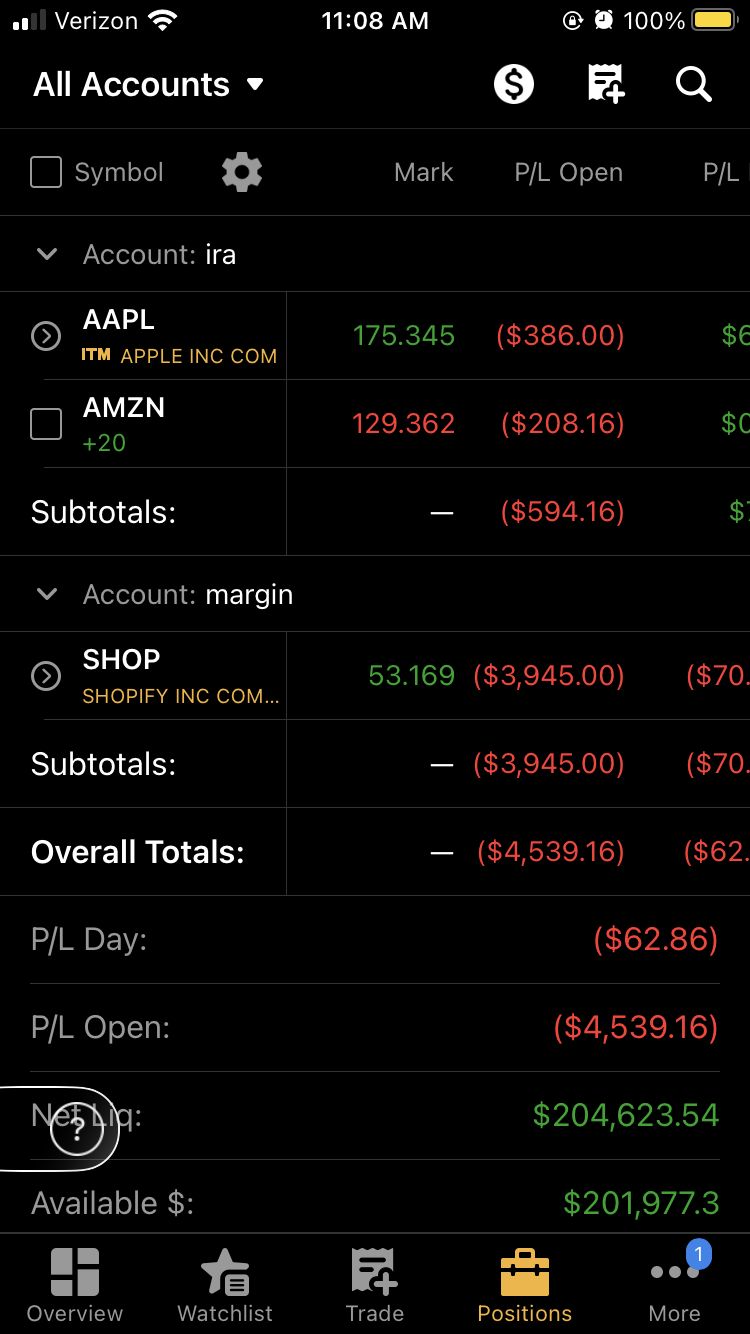
Thinkorswim, TD Direct Investing’s flagship trading suite, offers a paper‑trading mode that mirrors live market data but uses virtual cash. It’s not just a gimmick; the interface, order‑execution logic, and risk‑management tools are identical to the real‑account setup.
- Virtual capital: Typically $100,000, but you can adjust the amount in the settings.
- Full feature set: Charts, studies, Strategy Analyzer, and even options‑trading tools work the same way.
- No financial risk: Trades are recorded, but no money leaves your bank.
Official Expiration Policy
The good news is that Thinkorswim does not enforce a hard‑stop date on the demo. As long as your TD Ameritrade (or the newly rebranded Charles Schwab) account remains active, the paper‑money environment can stay open indefinitely.
In practice, two conditions can end the demo experience:
- Account inactivity: If you go more than 90 days without logging in, the system may flag the demo as dormant and close it automatically.
- Conversion to a live account: When you fund a real brokerage account and link it to Thinkorswim, the platform will prompt you to retire the paper account.
Why Inactivity Triggers Closure
Thinkorswim uses inactivity rules mainly for security and data‑management reasons. An unused demo tied to a user profile can become a liability—especially if it accumulates a long trade history that never gets archived. The 90‑day window is a compromise: it gives casual users plenty of time to return while keeping the server environment clean for active traders.
What Counts as “Activity”?
Any of the following actions reset the inactivity clock:
- Launching the platform (desktop or mobile).
- Placing, modifying, or canceling a paper trade.
- Running a backtest or strategy script.
- Adjusting chart settings or adding a study.
Even a quick glance at the market data without placing a trade will count, so a short login once a month is enough to keep the demo alive.
Extending the Demo: Practical Tips
If you anticipate a long break—maybe you’re on vacation or focusing on a different market—consider these tactics:
- Schedule a reminder: Set a calendar alert for every four weeks to open Thinkorswim, even if just to scroll through the watchlist.
- Use the “Save As” feature: Export your strategies and trade logs before a hiatus; you’ll be able to reload them later without losing work.
- Link to a live account (optional): Some traders keep a minimal funded account (e.g., $1,000) merely to prevent automatic closure, while still using the paper balance for main practice.
Transitioning From Demo to Real Trading
When you finally feel ready to trade with actual money, the shift is smoother than you might expect. Thinkorswim lets you:
- Import your paper‑trade history for reference.
- Copy custom studies and alerts directly into the live environment.
- Maintain the same screen layouts, so there’s no learning curve.
Remember, the live account will inherit the same margin requirements and order‑routing rules, so be prepared for the psychological difference of real capital at stake.
Common Misconceptions
Several myths float around forums and social media groups. Let’s clear a few up:
- “The demo only lasts 30 days.” Not true; the 90‑day inactivity rule is the real limiter.
- “I can use unlimited virtual cash.” You can change the starting balance, but extreme figures may cause platform glitches.
- “Paper trades are always executed instantly.” Execution speed mirrors live market latency; however, slippage may be less realistic in low‑volume simulations.
Bottom Line: How Long Is “Long Enough”?
If you log in at least once every three months, your Thinkorswim demo can stay open for years. The platform’s design encourages ongoing practice, and the only real deadline is the point at which you decide to convert to a funded account.
So, keep an eye on your login frequency, set a calendar reminder if needed, and enjoy the flexibility of a sandbox that won’t disappear overnight. Happy paper trading!