Mastering the Art of the Inverted Triangle in Sports Writing
Sports writing is a unique beast, requiring a delicate balance of information, analysis, and storytelling. One technique that has proven effective in achieving this balance is the inverted triangle, a structural approach that prioritizes the most critical information first. In this article, we'll delve into the world of sports writing and explore how the inverted triangle can be used to craft compelling, informative pieces that keep readers engaged.
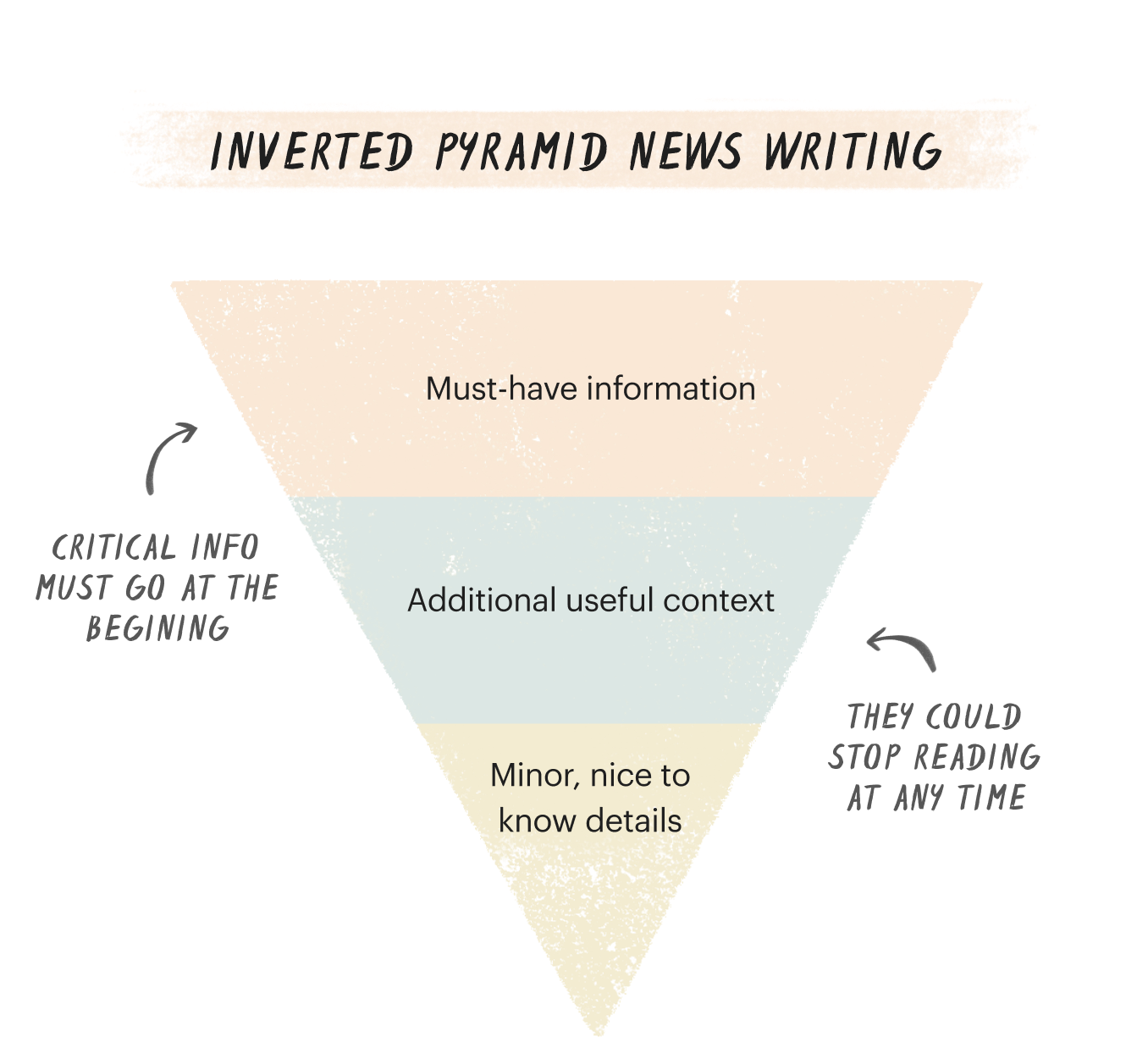
The concept of the inverted triangle is simple: start with the most important information and work your way down to the less critical details. This approach is particularly useful in sports writing, where readers often want to know the score, the outcome, and the key highlights before delving into the nuances of the game. By using the inverted triangle, writers can provide readers with the information they need quickly and efficiently, while also setting the stage for more in-depth analysis and commentary.
Understanding the Inverted Triangle Structure
The inverted triangle structure typically consists of three key components: the lead, the body, and the tail. The lead is the most critical part of the piece, providing readers with the essential information they need to understand the story. The body provides additional context and analysis, while the tail offers supporting details and background information. By structuring their piece in this way, writers can create a clear narrative arc that guides readers through the story.
One of the key benefits of the inverted triangle is that it allows writers to prioritize the most important information and present it in a clear, concise manner. This is particularly important in sports writing, where readers may be scanning multiple articles or updates to stay informed about their favorite teams or players. By using the inverted triangle, writers can ensure that readers get the information they need quickly and easily, without having to wade through pages of unnecessary detail.
Best Practices for Implementing the Inverted Triangle
So how can writers effectively implement the inverted triangle in their sports writing? Here are a few best practices to keep in mind:
- Start with a strong lead: The lead should provide readers with the essential information they need to understand the story. This might include the score, the outcome, and any key highlights or takeaways.
- Use the body to provide context and analysis: The body of the piece should provide additional context and analysis, helping readers to understand the significance of the event or story. This might include quotes from players or coaches, statistics, or other supporting details.
- Keep the tail concise: The tail of the piece should provide supporting details and background information, but should be kept concise and to the point. Avoid including unnecessary information or tangents that might confuse or distract readers.
By following these best practices, writers can create sports writing pieces that are engaging, informative, and easy to follow. The inverted triangle provides a simple yet effective structure for organizing information and presenting it in a clear, concise manner.
Common Challenges and Pitfalls
While the inverted triangle can be a powerful tool for sports writers, there are also some common challenges and pitfalls to be aware of. One of the biggest challenges is ensuring that the lead is strong enough to grab readers' attention and provide the necessary context for the rest of the piece. This requires careful planning and attention to detail, as well as a deep understanding of the story and its key elements.
Another challenge is avoiding the temptation to include too much information or detail in the body of the piece. While it's essential to provide readers with context and analysis, too much information can be overwhelming and may cause readers to lose interest. By keeping the body concise and focused, writers can ensure that readers stay engaged and interested in the story.
Finally, it's essential to remember that the inverted triangle is just one tool among many that sports writers can use to craft compelling, informative pieces. By combining this structure with other techniques, such as vivid storytelling and compelling narrative, writers can create pieces that are truly memorable and engaging.
In conclusion, the inverted triangle is a powerful tool for sports writers, providing a simple yet effective structure for organizing information and presenting it in a clear, concise manner. By understanding the key components of the inverted triangle and following best practices for implementation, writers can create pieces that are engaging, informative, and easy to follow. Whether you're a seasoned sports writer or just starting out, the inverted triangle is a technique worth mastering.