What Triceratops Can Teach Us About Growing Better Gardens
When you picture a triceratops, the image that usually pops up is a massive, horned beast lumbering across a prehistoric plain. Yet, beyond the cinematic roar and dramatic battles, this iconic dinosaur was a dedicated herbivore whose daily munching may hold surprisingly useful clues for modern gardeners. By looking at what scientists infer about its diet, movement, and impact on ancient ecosystems, we can draw parallels that inspire more sustainable, soil‑friendly gardening practices today.
Triceratops: The Ancient Garden Helper
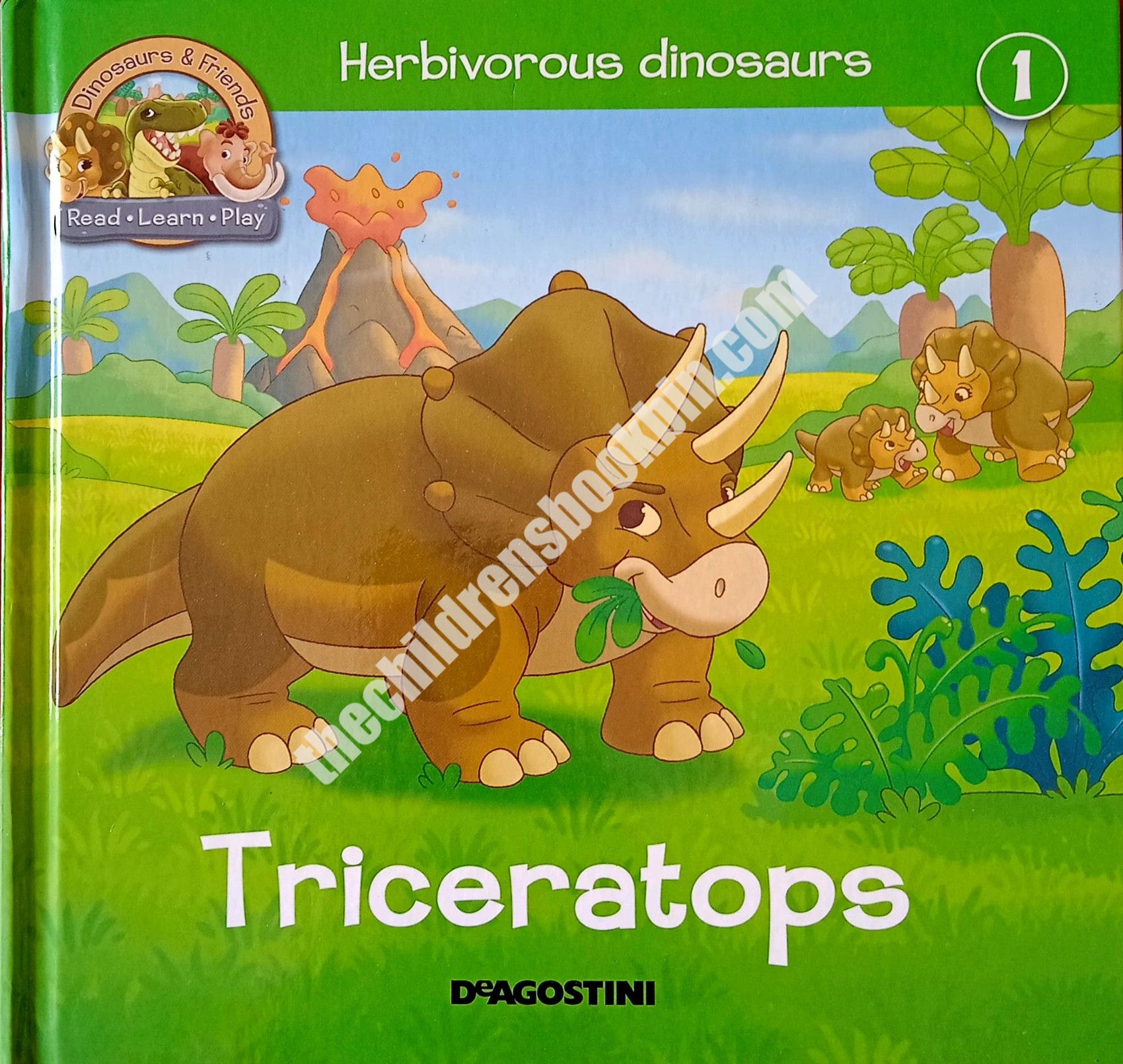
Living roughly 68 to 66 million years ago in what is now North America, Triceratops roamed vast floodplains dotted with ferns, cycads, and early flowering plants. Its beak‑like mouth and robust chewing muscles suggest a diet focused on tough, fibrous vegetation. Paleontologists infer that by constantly grazing, these dinosaurs helped control plant overgrowth, much like modern livestock do on ranches.
Because they moved in herds, triceratops likely created patches of cleared ground where fresh shoots could sprout. Their massive bodies also compacted soil in some areas while loosening it in others, a natural form of tillage that promoted nutrient cycling. The result? A dynamic landscape where plant diversity could thrive, and soil health remained robust.
Lessons From Their Feeding Habits
Modern gardeners often battle the same challenges triceratops faced millennia ago: balancing plant growth with soil fertility and pest control. Here are three ways the dinosaur’s lifestyle translates into actionable gardening tips:
- Selective grazing – Triceratops didn’t eat everything indiscriminately; its beak was suited for certain plant textures. In the garden, using low‑impact grazers like chickens or goats on specific weeds can mimic this selective pressure, reducing competition without harming desired crops.
- Rotational movement – Herds migrated across the plain, preventing any single spot from becoming over‑grazed. Rotating garden beds or employing companion planting can similarly distribute nutrient demand and reduce soil depletion.
- Natural soil aeration – The weight of a triceratops foot could break up compacted earth, allowing water and air to penetrate deeper. Incorporating organic matter, mulches, or even occasional light foot traffic in raised beds can achieve comparable aeration.
From Fossil Record to Soil Science
The fossilized remains of triceratops, especially their wear patterns and coprolites (fossilized dung), give scientists a window into ancient nutrient cycles. Analyses of coprolites reveal high levels of silica and calcium, indicating that these dinosaurs helped redistribute minerals across the landscape. In today’s gardens, mimicking this mineral redistribution can be as simple as spreading composted leaf litter or using rock dust to replenish calcium.
Moreover, the sheer size of a triceratops meant that its feeding could influence plant community composition over large areas. By preferentially eating certain species, it may have allowed less competitive plants to establish, fostering biodiversity. Gardeners can echo this effect by periodically removing dominant weeds and encouraging a broader range of flora, which in turn supports beneficial insects and soil microbes.
Integrating “Dino‑Inspired” Practices
While we can’t invite a herd of triceratops into our backyards, we can adopt several low‑tech strategies that capture their ecological role:
- Use small herbivores strategically. Chickens, ducks, or even rabbits can graze on invasive weeds, turning potential problems into organic fertilizer.
- Practice “soft tilling.” Lightly stepping on garden rows or using a garden fork mimics the subtle soil disturbance caused by massive feet, improving water infiltration.
- Rotate crops and habitats. Just as herds moved, shift planting zones each season to prevent nutrient lock‑up and break pest cycles.
- Employ mineral amendments. Adding chalk, gypsum, or finely ground basalt can replicate the mineral redistribution observed in ancient triceratops waste.
Why the Connection Matters
Understanding how a giant herbivore shaped its environment reminds us that gardening is not an isolated activity—it’s part of a larger ecological dialogue. By observing patterns that worked for a creature that thrived for millions of years, we gain perspective on longevity, resilience, and balance. The takeaway isn’t that we should mimic a dinosaur’s exact behavior, but that the principles of selective feeding, movement, and natural soil amendment are timeless tools for cultivating healthy gardens.
Frequently Asked Questions
Did triceratops actually farm plants?
No, they didn’t farm in the human sense. However, their grazing and movement unintentionally promoted plant diversity and soil turnover, effects that modern gardeners can replicate deliberately.
Can I use large animals like cows in a small garden?
Typically not; space constraints make it impractical. Smaller herbivores—chickens, ducks, or goats—are more suitable for targeted weed control and manure production in limited areas.
Is there scientific evidence linking dinosaur activity to modern soil health?
Direct links are speculative, but studies of dinosaur coprolites and trackways show they contributed to nutrient cycling and soil disturbance. Those mechanisms are well‑understood in contemporary ecology and can be applied in gardening.
How often should I rotate my garden beds?
Many gardeners rotate crops annually, but the exact schedule depends on plant types, soil conditions, and local climate. The key is to avoid planting the same species in the same spot year after year.