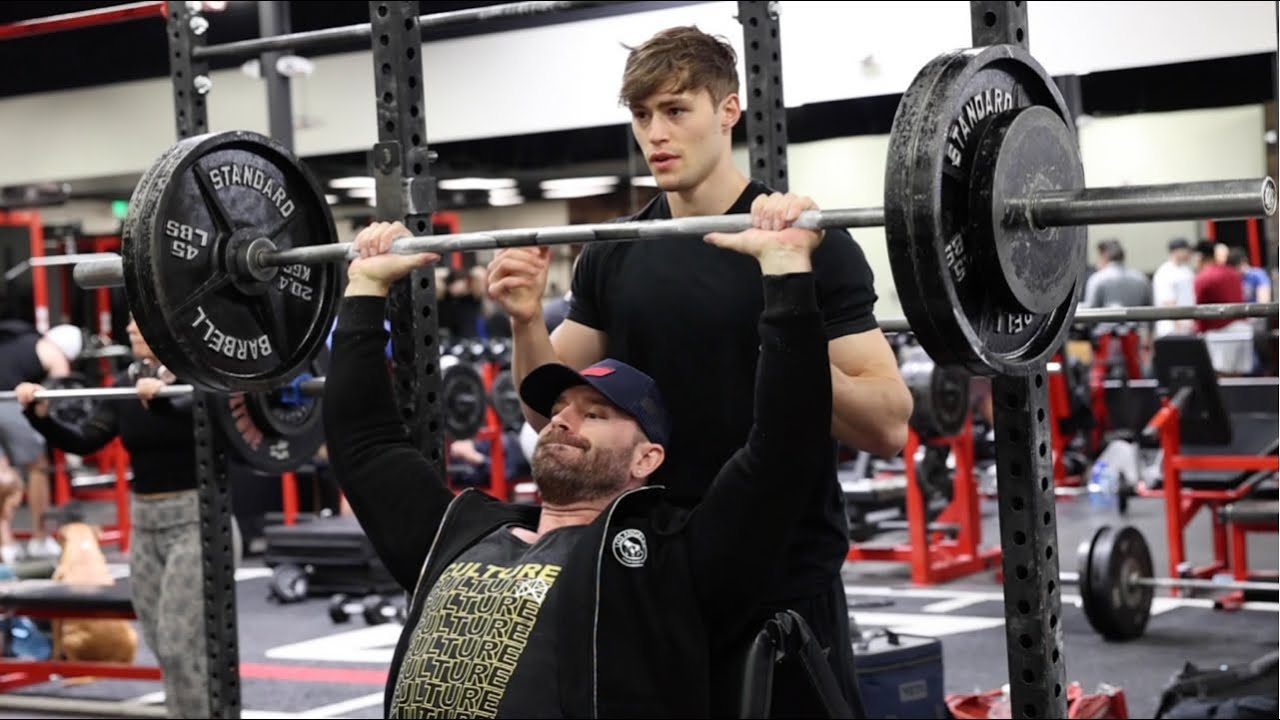
How David Laid Trains Delts for Pro‑Level Shoulders
If you’ve ever watched David Laid’s training videos and wondered how he builds massive shoulders like a pro, you’re not alone. The YouTube star mixes classic bodybuilding moves with modern gymnastics‑inspired conditioning, creating a shoulder package that looks both aesthetic and functional. Below we break down the principles behind his deltoid development, the exact lifts he favors, and how you can adapt the routine to your own training calendar.
Why Shoulder Development Matters for a Balanced Physique
Shoulder width is often the first thing people notice when you walk into a room. A well‑rounded deltoid group not only widens your silhouette but also supports heavier lifts in the bench press, overhead press, and even squat. In David Laid’s case, his shoulders act as a visual anchor for his lean, athletic frame, letting his torso appear broader without sacrificing mobility.
Beyond aesthetics, strong delts protect the rotator cuff and improve posture. This is why many athletes, from powerlifters to swimmers, prioritize shoulder work even when it isn’t the main focus of their sport.
David Laid’s Shoulder Blueprint: Core Principles
Laid doesn’t rely on a single “magic” exercise. Instead, his approach follows three pillars: progressive overload, varied angles, and balanced volume.
- Progressive overload – He adds weight, reps, or time under tension every week, ensuring the muscles keep adapting.
- Varied angles – By hitting the front, side, and rear delts from multiple planes, he avoids imbalances that can lead to injury.
- Balanced volume – Rather than bombing the shoulders with endless sets, Laid typically caps his weekly volume at 12‑15 total working sets, split across two dedicated sessions.
These guidelines keep his shoulders massive yet supple enough for the gymnastics tricks that pepper his Instagram reels.
Key Exercises for Massive Delts
Here’s a sample two‑day shoulder split that mirrors Laid’s favorite moves. Adjust the rep ranges based on your experience: beginners might stay in the 8‑12 range, while advanced lifters can push 4‑6 for strength phases.
Day 1 – Heavy Compound Focus
- Standing Overhead Press – 4 sets of 5‑6 reps. A staple for overall deltoid mass; keep the core tight and press directly overhead.
- Weighted Dips (Chest‑Focused) – 3 sets of 8‑10 reps. Though a chest move, the front delts get a solid stretch and contraction.
- Arnold Press – 3 sets of 8‑10 reps. The rotation hits the front and side heads simultaneously.
Day 2 – Isolation and Rear‑Deltoid Emphasis
- Seated Dumbbell Lateral Raises – 4 sets of 12‑15 reps. Pause at the top for a second to maximize tension.
- Face Pulls – 3 sets of 15‑20 reps. Essential for rear‑deltoid activation and rotator‑cuff health.
- Reverse Pec Deck or Bent‑Over Reverse Flyes – 3 sets of 12‑15 reps. Focus on squeezing the shoulder blades together.
- Plate Front Raises – 2 sets of 10‑12 reps. A simple finisher that keeps the anterior delts primed.
Notice the blend of heavy presses and high‑rep isolation work – that’s the “varied angles” principle in action.
Programming Tips and Recovery Strategies
Even the best routine can stall without proper programming. Laid follows a 4‑week mesocycle: three weeks of steady progression, then a deload week where he drops the weight by 40‑50 % and focuses on mobility drills. This pattern keeps the nervous system fresh and reduces joint wear.
Recovery matters as much as the lifts themselves. He routinely incorporates:
- Dynamic shoulder warm‑ups (band pull‑aparts, scapular push‑ups) before each session.
- Post‑workout static stretching, especially targeting the pecs and upper back to maintain range of motion.
- Ice or contrast showers after especially heavy days to soothe inflammation.
Nutrition plays a quiet but critical role. Aim for a modest caloric surplus (about 250 kcal above maintenance) with protein hovering around 1.6‑2.2 g per kilogram of body weight. That provides the building blocks for muscle repair without excessive fat gain.
Common Mistakes to Avoid When Chasing Pro‑Level Shoulders
Many trainees fall into traps that sabotage shoulder growth. Here are a few you’ll want to sidestep:
- Neglecting rear delts. Over‑emphasis on side and front heads creates a “rounded” look and can destabilize the shoulder joint.
- Using momentum. Swinging the weights reduces time under tension and risks shoulder impingement.
- Skipping warm‑ups. Jumping straight into heavy presses can aggravate the rotator cuff, leading to chronic pain.
- Training shoulders every day. Unlike calves, delts benefit from recovery; two focused sessions per week are optimal for most lifters.
By staying mindful of these pitfalls, you’ll keep your progress steady and your joints happy.
FAQ
What’s the best rep range for shoulder hypertrophy?
Generally, 8‑12 reps per set strikes a balance between mechanical tension and metabolic stress. Advanced lifters may cycle lower reps (4‑6) for strength phases, then return to higher reps for size.
Can I replace dumbbell lateral raises with cables?
Yes. Cable lateral raises maintain constant tension throughout the movement, which can be a useful variation if you’re looking to keep the muscles under load longer.
How often should I train my delts if I also bench press frequently?
Two dedicated shoulder days per week works well for most. On bench‑heavy weeks, keep shoulder volume moderate to avoid overtraining the anterior deltoids.
Do I need a separate rotator‑cuff routine?
Incorporating face pulls, band external rotations, and light dumbbell “I‑Y‑T” patterns into your warm‑up and cool‑down usually covers rotator‑cuff health without a standalone session.